

Beyond Billion-Dollar Estates
The world of real estate holds extremes, but few compare to the realm of mega mansions exceeding $500 million. These aren’t simply large homes; they are self-contained compounds, architectural statements, and testaments to concentrated wealth. Properties at this price point are exceptionally rare, representing the pinnacle of luxury and exclusivity. It’s a market driven by a handful of individuals for whom price is often secondary to privacy, prestige, and the realization of a singular vision.
We’re witnessing a period where the ultra-wealthy are increasingly seeking to create bespoke living environments, pushing the boundaries of design and construction. This desire for privacy is a significant factor – a sprawling estate offers a level of seclusion unattainable in more conventional properties. Architectural ambition also plays a role; these homes are often conceived as works of art, incorporating cutting-edge technology and lavish amenities.
The sheer scale of these projects is difficult to comprehend. We're talking about estates spanning acres, featuring multiple residences, and offering resort-style amenities. The construction process can take years, involving hundreds of skilled laborers and meticulous attention to detail. These are not just homes, they are small cities unto themselves. This article will explore some of the most impressive examples currently available – or recently sold – and what they reveal about the tastes and priorities of the world’s wealthiest individuals.
It’s important to understand that this market isn't immune to economic forces. Even at this level, sales can be complex and protracted. The recent auction of "The One" serves as a stark reminder of the risks involved, even when dealing with seemingly limitless resources. But despite these challenges, the demand for these ultra-luxury properties remains strong, fueled by a growing number of individuals capable of affording them.
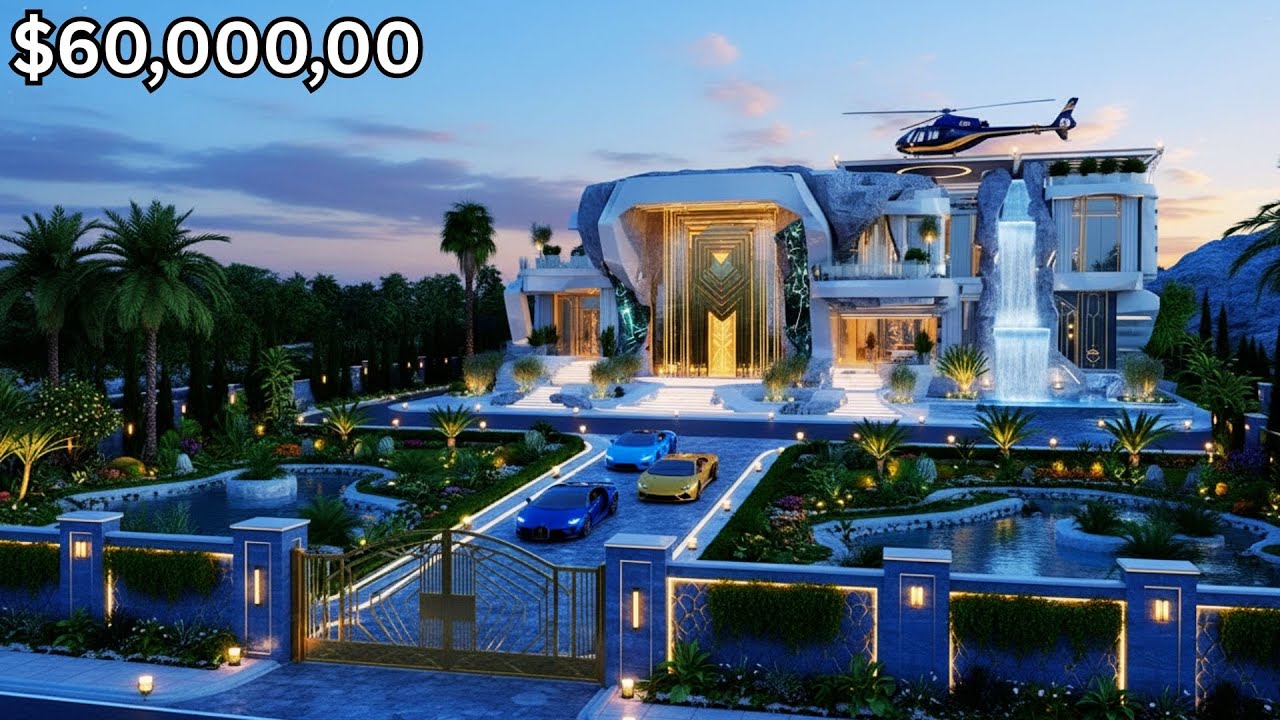
The One: A Record-Breaking Gamble
"The One," in Bel Air, California, symbolized ambition and financial overreach. Listed for $295 million, the 21-bedroom, 42-bathroom mansion sold at auction for $141 million in March 2024, a loss for developer Nile Niami. The estate has five pools, a nightclub, a bowling alley, a 40-car garage, and panoramic Los Angeles views. It aimed to be the world's most expensive home but didn't achieve that title.
The story of "The One" is a cautionary tale. Niami secured multiple loans, but construction faced delays and cost overruns. He defaulted on over $80 million in debt, leading to receivership and auction. The auction was contentious, with Fashion Nova CEO Richard Saghian emerging as the buyer.
The sale of "The One’ suggests that even wealthy buyers are price-sensitive and that extravagant ambition doesn’t always lead to financial success. The property"s size and scope, while impressive, may have been excessive for many potential buyers. It highlights the risks of speculative development in a volatile economic climate.
Lessons from "The One" will likely influence future mega mansion projects. Developers will be more cautious about excessive debt, and buyers more discerning about value. Sound financial principles still apply in the ultra-luxury world. The auction process found a buyer, showing demand still exists at the top of the market.
Hollywood Hills' Modern Masterpiece
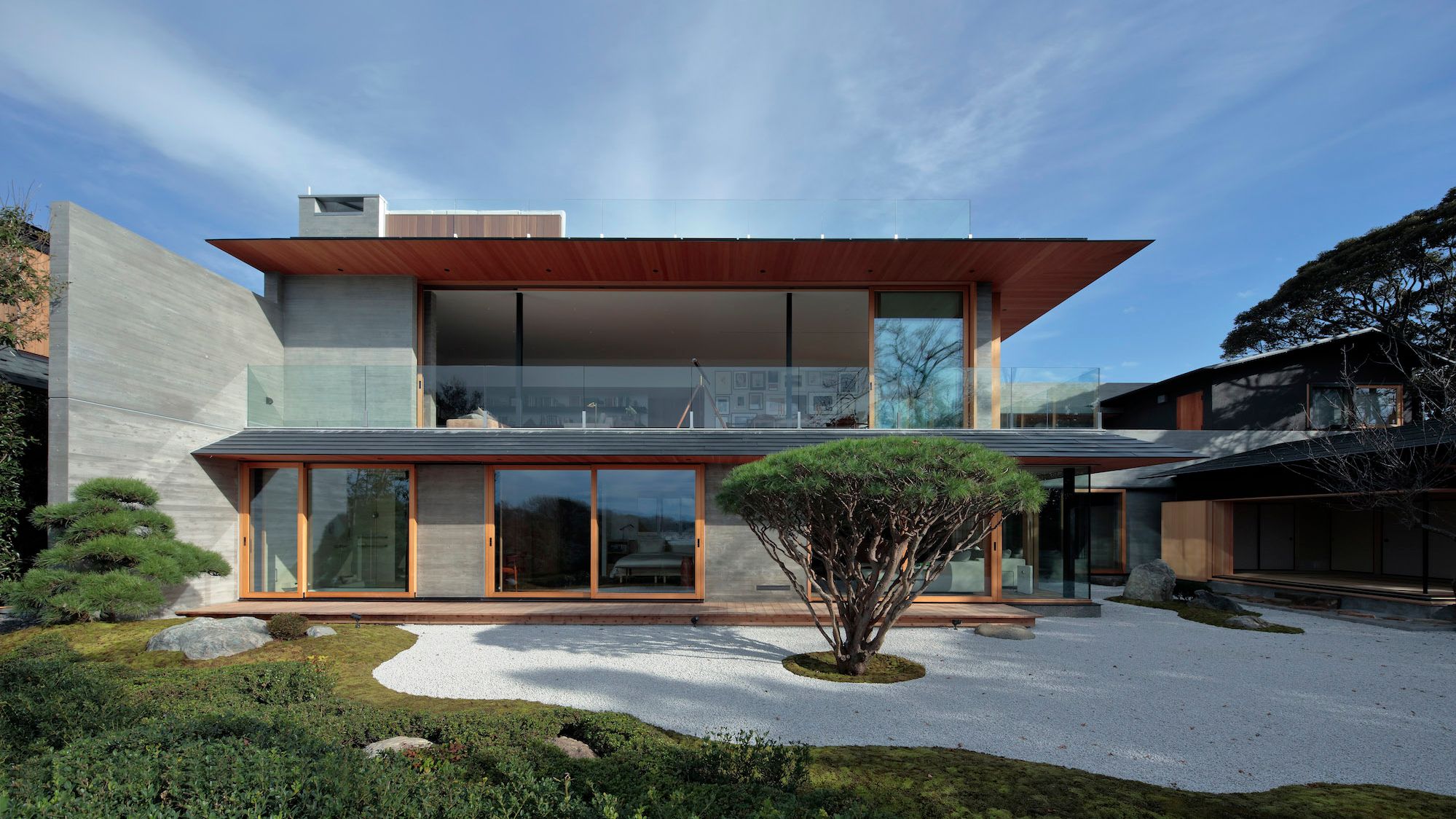
In contrast to "The One," the $44.5 million Hollywood Hills mansion featured on YouTube shows a more contemporary aesthetic. This property embodies modern luxury with clean lines, expansive glass walls, and seamless indoor-outdoor spaces. The estate also includes a guest house and city views.
This mansion's design prioritizes functionality and flow. Open-plan living areas are perfect for entertaining, while private bedrooms offer tranquility. Natural materials like wood and stone create a warm atmosphere. Its Hollywood Hills location adds appeal, offering privacy and proximity to city attractions.
This shift towards modern design reflects changing preferences among ultra-wealthy buyers. While traditional mansions appeal, many now seek homes that are streamlined, minimalist, and technologically advanced. They want spaces that are luxurious and functional, reflecting their contemporary lifestyles. This house delivers.
The contrast between "The One" and this Hollywood Hills mansion highlights the diversity of tastes in the ultra-luxury market. Some buyers value grandeur and extravagance, while others prioritize modern design and understated elegance. Both approaches can be successful, depending on individual preferences and property location.
Featured Amenities
- Infinity Pool - A sprawling, geometrically designed infinity pool offers panoramic views of the city and surrounding landscape, often incorporating features like integrated spas and sun shelves.
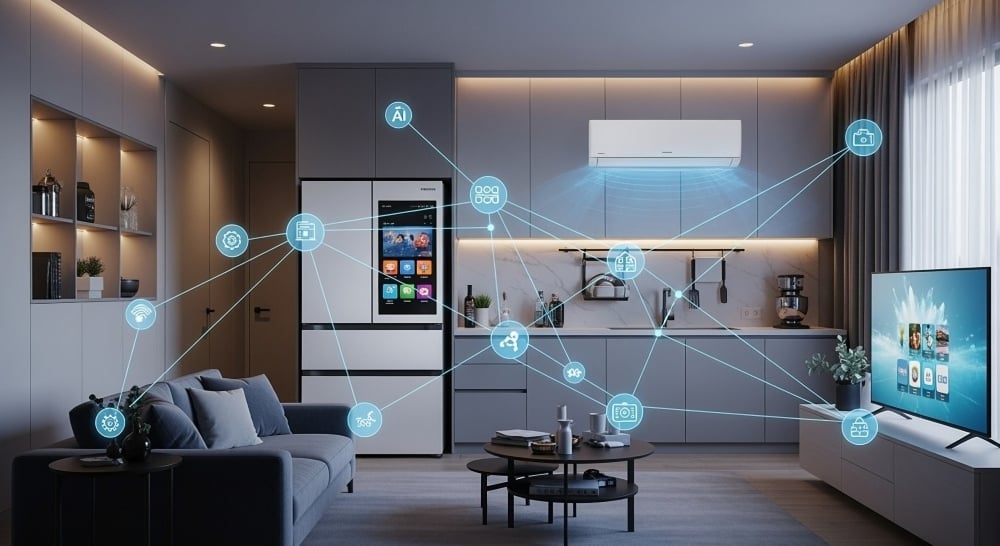
- Smart Home Integration - Comprehensive smart home technology, utilizing systems like Crestron or Savant, controls lighting, climate, entertainment, and security from a centralized interface.
- Wine Cellar - A climate-controlled wine cellar, capable of storing thousands of bottles, often features custom racking, tasting areas, and humidity control systems.
- Home Theater - A dedicated home theater boasts state-of-the-art audio-visual equipment, including a Dolby Atmos sound system and a large-format projection screen, creating a cinematic experience.
- Outdoor Kitchen - A fully equipped outdoor kitchen, complete with professional-grade appliances from brands like Wolf or Sub-Zero, allows for al fresco dining and entertaining.
- Advanced Security Systems - Multi-layered security systems, incorporating features like surveillance cameras, perimeter alarms, and gated access, ensure privacy and protection.
- Motor Court - A grand, gated motor court provides ample parking and a dramatic entrance, often paved with imported stone and landscaped with mature trees.
Global Hotspots: Where the Wealthy Build
Los Angeles dominates the mega mansion market, but other cities also attract wealthy buyers and see a surge in ultra-luxury construction. London, with its historical charm and financial prominence, is a perennial favorite. Dubai, known for its audacious architecture and tax-friendly policies, is emerging as a hotspot. Tokyo offers a unique blend of tradition and modernity.
Each location offers distinct advantages. London appeals to those seeking a sophisticated, cosmopolitan lifestyle, while Dubai attracts those looking for innovation and extravagance. Tokyo provides cultural immersion and convenience. Emerging markets like Mumbai and São Paulo are also seeing increased demand for mega mansions as wealth accumulates.
Architectural styles vary across these locations. London mansions often feature classic Georgian or Victorian designs, while Dubai is known for futuristic skyscrapers and opulent villas. Tokyo homes tend to be understated and minimalist, reflecting Japanese aesthetics. Local regulations and cultural preferences shape these styles.
Land and building material availability influences mega mansion development. In dense cities like Tokyo, space is at a premium, leading to compact, vertically oriented designs. In Dubai, readily available land allows developers to create sprawling estates with expansive gardens and private beaches. Geopolitical climate and economic stability are also crucial considerations.
Climate-Proofing the Ultra-Rich
A growing trend in the mega mansion market is incorporating "climate-proof" features. As climate change concerns intensify, wealthy homeowners seek properties that withstand extreme weather and provide self-sufficiency. This includes solar power, water storage, reinforced construction, and elevated foundations.
These features offer security and independence. Facing increasing uncertainty, the ability to generate your own power and water is an advantage. Some homeowners build underground bunkers or secure rooms to protect against threats.
Daily High House has covered the rise of climate-proof mega mansions, noting demand for sustainable and resilient designs. This trend is about protecting property values and ensuring the long-term habitability of these estates. Buyers invest in these features to safeguard investments and ensure comfort and safety.
undefined investment. It’s a reflection of the growing awareness of climate change and the desire to mitigate its potential impacts. This trend is likely to continue as extreme weather events become more frequent and severe.
The Architects Behind the Dreams
Designing and building mega mansions requires a unique set of skills and expertise. Several architectural firms have established themselves as leaders in this niche market. Names like Zaha Hadid Architects, known for their futuristic designs, and SAOTA, celebrated for their luxurious South African estates, consistently deliver exceptional results.
These firms often employ large teams of architects, engineers, and designers, all working in collaboration to bring the client’s vision to life. The design process can be incredibly complex, involving detailed site analysis, intricate 3D modeling, and close coordination with contractors and suppliers. Challenges include navigating local building codes, managing complex logistics, and ensuring the structural integrity of the building.
Innovation is a key driver in this field. Architects are constantly exploring new materials, technologies, and design approaches to push the boundaries of what’s possible. The integration of smart home technology, sustainable building practices, and innovative landscaping techniques are all areas of active development.
The reputation of the architect is often a major selling point for these properties. A well-known architect can add significant value to a mega mansion, attracting discerning buyers who appreciate quality design and attention to detail. The collaboration between client and architect is crucial, ensuring that the final product reflects the owner’s personal style and preferences.
Inside the Tech: Smart Homes on Steroids
Mega mansions are not just about lavish amenities; they are also showcases for cutting-edge technology. Smart home automation systems control everything from lighting and temperature to security and entertainment. These systems can be customized to meet the specific needs and preferences of the homeowner.
Security is a paramount concern, and these homes are typically equipped with state-of-the-art surveillance systems, biometric access control, and reinforced security features. Entertainment systems are equally impressive, often including home theaters, game rooms, and dedicated music studios. The integration of these technologies enhances the lifestyle of the owners, providing convenience, comfort, and peace of mind.
However, the increasing reliance on technology also raises privacy concerns. The vast amount of data collected by these systems could be vulnerable to hacking or misuse. Homeowners need to be aware of these risks and take appropriate measures to protect their privacy. Robust cybersecurity protocols and regular security audits are essential.
Beyond convenience and security, technology also plays a role in energy efficiency and sustainability. Smart grids, solar power integration, and automated water management systems help reduce the environmental impact of these mega mansions. The future of luxury homes is undeniably intertwined with technology, and we can expect to see even more innovative applications in the years to come.
Smart Home System Comparison for Ultra-Luxury Estates (2026)
| Feature Category | Crestron | Savant | Control4 |
|---|---|---|---|
| Scalability & Complexity | Highly Scalable; Suited for very large, complex estates with extensive customization needs. | Highly Scalable; Designed for large homes and integration of numerous systems. | Scalable, but generally considered best for moderately large to large homes; can become complex with extensive additions. |
| Ease of Use (User Interface) | Steeper learning curve; often requires professional programming and ongoing support for optimal use. | Intuitive user interface; generally considered easier for homeowners to learn and operate with minimal training. | User-friendly interface; offers a balance between customization and ease of operation, but may require some initial setup assistance. |
| Security Features | Robust security features with advanced access control and integration capabilities; often prioritized in high-end installations. | Strong security protocols with focus on data encryption and secure remote access; integrates well with security systems. | Good security features; offers remote monitoring and control, but may require additional security integrations for ultra-high-end protection. |
| Integration Capabilities | Extensive integration possibilities with a wide range of third-party devices and systems; open API available for custom development. | Seamless integration with a broad ecosystem of luxury brands and smart devices; strong focus on entertainment systems. | Wide range of integrations, but may require more configuration and compatibility checks with less common devices. |
| Customization Options | Highly customizable; allows for granular control over every aspect of the system, but requires significant programming expertise. | Offers a high degree of customization, with a focus on creating personalized experiences; can be tailored to specific homeowner preferences. | Offers customization options, though generally less granular than Crestron or Savant; relies on pre-built modules and configurations. |
| Professional Support & Installation | Requires certified Crestron dealers for installation and programming; ongoing support is typically provided through these dealers. | Relies on certified Savant integrators for installation and support; offers remote diagnostics and troubleshooting. | Utilizes a network of authorized Control4 dealers for installation and support; provides remote access for diagnostics. |
Illustrative comparison based on the article research brief. Verify current pricing, limits, and product details in the official docs before relying on it.
The Future of the Mega Mansion
The mega mansion market is likely to continue to evolve in the coming years. We may see even larger and more extravagant properties, pushing the boundaries of architectural design and construction. New technologies, such as 3D printing and modular construction, could revolutionize the building process, making it faster and more efficient.
Sustainability and social responsibility will likely become increasingly important considerations. Buyers may demand more eco-friendly materials, energy-efficient systems, and designs that minimize environmental impact. The integration of renewable energy sources and water conservation technologies will become standard features.
The demand for privacy and security will remain a key driver of the market. Homeowners will continue to seek secluded locations and advanced security systems to protect their families and assets. The trend towards self-sufficiency and climate-proofing will also continue to gain momentum.
The long-term outlook for the ultra-luxury real estate market is positive, but it’s not without its challenges. Economic fluctuations, geopolitical instability, and changing consumer preferences could all impact demand. However, the underlying factors driving this market – wealth concentration and the desire for exclusivity – are likely to remain strong, ensuring that mega mansions will continue to be a symbol of wealth and ambition for years to come.
What is the most important feature you look for in a mega mansion?
The world's most expensive luxury homes in 2026 are pushing the boundaries of what a residence can be, with price tags reaching an astonishing $500 million. From cutting-edge smart home technology to sprawling estates tucked away on private compounds, these architectural marvels offer it all. But when it comes to the ultimate mega mansion, which feature matters most to you? Vote below!
No comments yet. Be the first to share your thoughts!