

Defining the modern mega mansion
The term "mega mansion" describes a specific tier of luxury real estate where scale meets architectural ambition. While there is no official government designation, the industry standard generally places the threshold at well over 10,000 square feet. However, size alone does not make a property a mega mansion; it is the combination of sheer volume and high-end amenities that defines the category.
These estates often feature amenities that rival five-star resorts. Think private theaters, wine cellars with climate control, indoor pools, and extensive grounds with guest houses. The rarest examples push the boundaries further, reaching 100,000 square feet or more. These are not just homes; they are self-contained compounds designed for privacy, entertainment, and legacy.
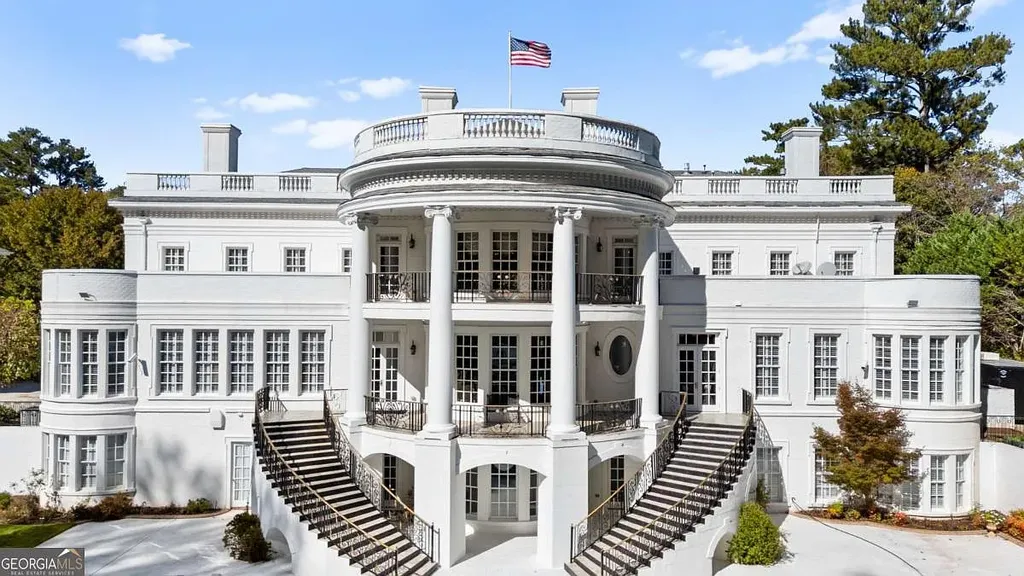
Understanding what qualifies as a mega mansion helps buyers and investors identify the right luxury market segment. It shifts the focus from mere square footage to the quality of space and the sophistication of design. As we explore the most stunning examples from Atlanta to Japan, we will see how these homes redefine luxury living in 2026.
Spotting luxury in Atlanta's hills
Atlanta’s mega mansion market thrives in the city’s rolling hills, where privacy and scale define the landscape. These estates are not just large; they are architectural statements designed for a specific lifestyle that values seclusion, entertainment, and modern comfort. The city’s top neighborhoods, such as Buckhead and Druid Hills, serve as the primary backdrop for these multi-million dollar properties.
Architectural trends in Atlanta favor a blend of traditional grandeur and contemporary minimalism. Buyers often seek sprawling footprints that exceed 10,000 square feet, featuring high ceilings, expansive glass walls, and custom stonework. The design language is bold, using heavy materials like limestone and dark wood to anchor the structures against the lush, green backdrop of the Atlanta hills. This approach creates a sense of permanence and luxury that stands out in a city known for its rapid growth and modern energy.
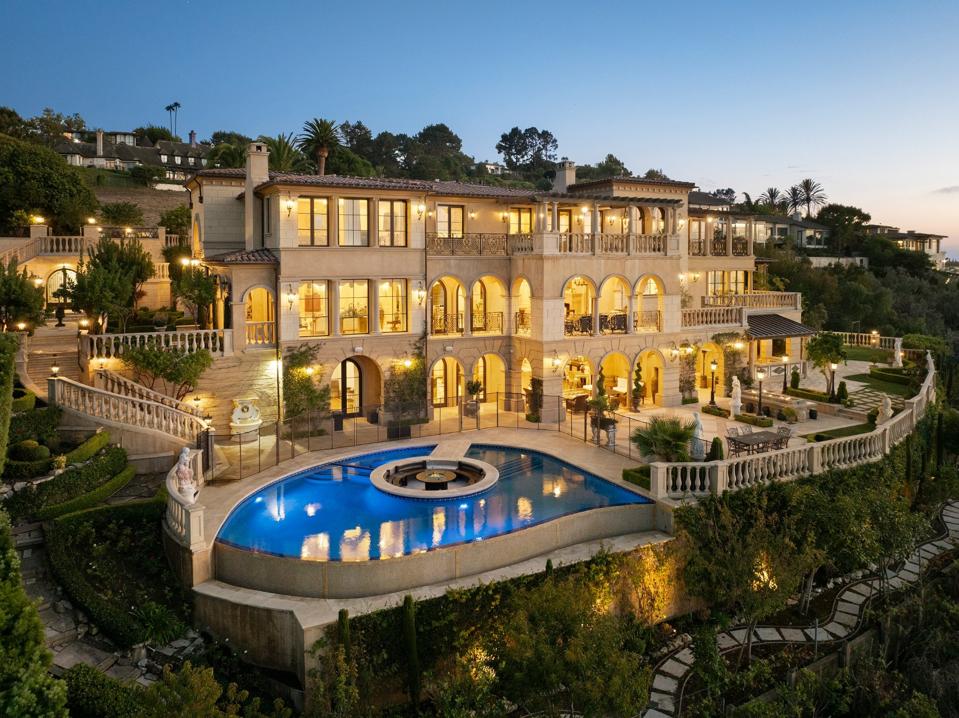
Lifestyle amenities are equally critical to the Atlanta mega mansion appeal. These homes often include resort-style backyards with infinity pools, outdoor kitchens, and private theaters. The interiors are designed for hosting, with grand entertaining spaces that flow seamlessly into outdoor living areas. This indoor-outdoor connectivity is essential in Atlanta’s climate, allowing residents to enjoy the mild winters and warm summers while maintaining a high standard of comfort and style.
The choice of location within Atlanta also dictates the character of the mega mansion. Properties in secluded forest areas offer a retreat-like atmosphere, while those in more urban-adjacent neighborhoods provide easy access to the city’s dining and cultural scenes. Regardless of the specific neighborhood, the common thread is an emphasis on exclusivity and bespoke design, ensuring that each mega mansion is a unique reflection of its owner’s taste and status.
Japanese estates blend tradition and tech
While Western mega mansions often prioritize sheer volume and isolated grandeur, Japanese estates redefine luxury through a different lens. Here, mega mansions are not just large houses; they are complex integrations of ancient architectural philosophy and cutting-edge automation. The focus shifts from displaying wealth to creating a harmonious balance between the built environment and the surrounding landscape.
Space efficiency and nature integration
In Japan, land is a premium resource, even in exclusive districts. This constraint drives a unique approach to mega mansion design where spatial efficiency is paramount. Architects utilize multi-level structures, hidden storage, and modular rooms to maximize utility without sacrificing the feeling of openness. Unlike the sprawling single-story layouts common in Texas or California, Japanese estates often rise vertically, allowing the ground level to remain dedicated to gardens, courtyards, and water features.
The relationship with nature is not merely decorative but structural. Large sliding glass walls dissolve the boundary between interior living spaces and exterior gardens. This design choice ensures that every room feels connected to the natural rhythm of the seasons, a concept known as shakkei or "borrowed scenery." The result is a mega mansion that feels expansive despite potentially smaller footprints, offering a serene retreat that contrasts sharply with the opulent excesses of the West.
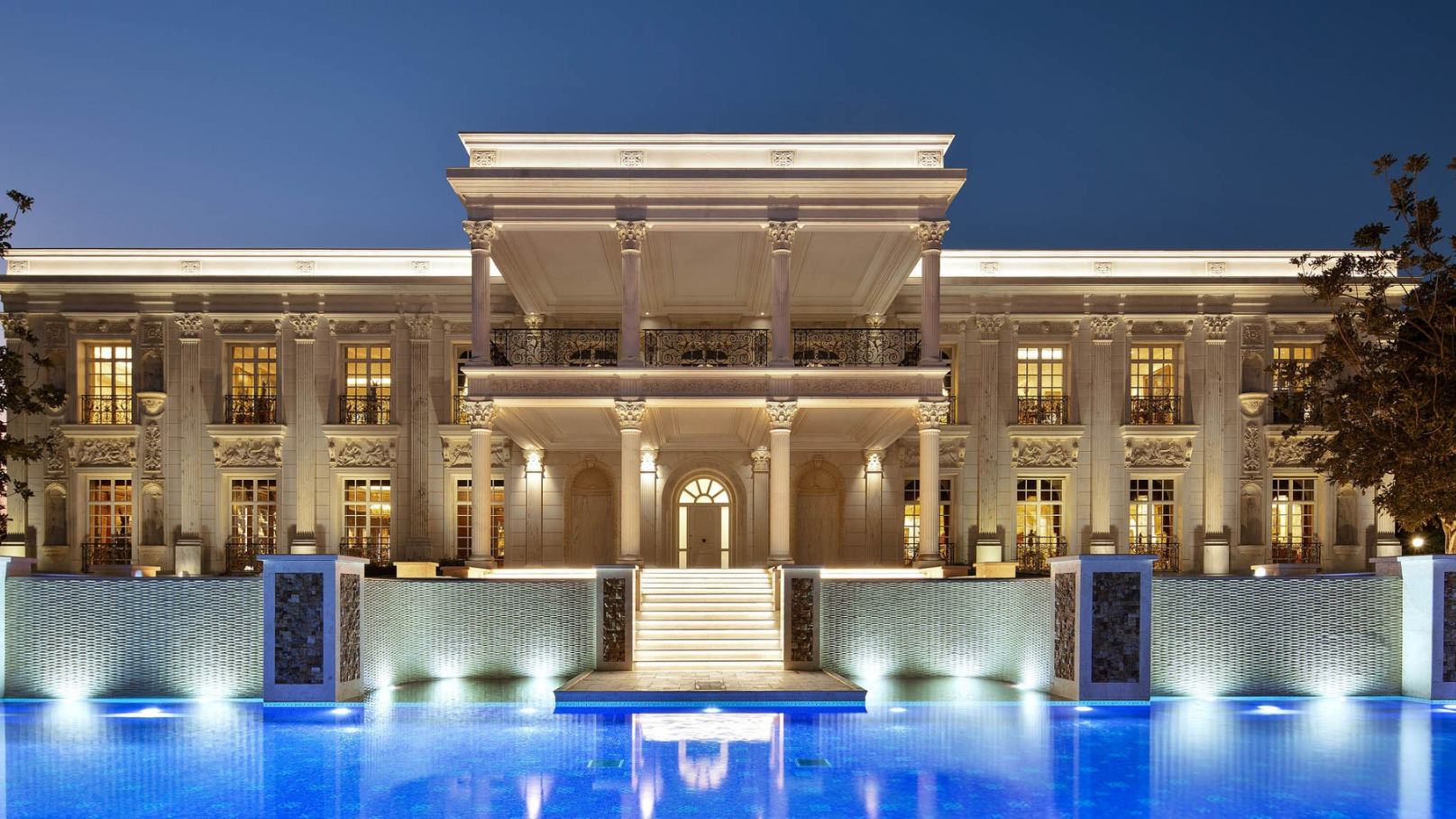
Seamless technology and privacy
Technology in Japanese mega mansions is designed to be invisible. Rather than showcasing smart home gadgets, these estates embed automation into the architecture itself. Climate control, lighting, and security systems are managed through centralized, discreet interfaces that respond to occupant habits without requiring manual input. This "invisible tech" approach ensures that the aesthetic integrity of traditional materials like wood, stone, and paper is never compromised by visible wires or screens.
Privacy is equally paramount. High-tech soundproofing and strategic landscaping create a fortress-like sense of seclusion in dense urban areas. Automated shading systems and smart glass adjust to sunlight and street activity, ensuring that residents enjoy natural light without sacrificing their anonymity. This blend of high-tech security and low-tech tranquility defines the modern Japanese mega mansion, offering a sophisticated alternative to the loud, visible luxury of Western counterparts.
Key features of top-tier luxury homes
The definition of a mega mansion has shifted from sheer square footage to integrated lifestyle infrastructure. These properties function less like traditional houses and more like private resorts or small hotels. The focus is on amenities that support leisure, wellness, and entertainment without leaving the property.
Home theaters have become standard rather than optional. Modern designs prioritize acoustic isolation and immersive 4K projection systems that rival commercial cinemas. Similarly, private spas are central to the floor plan, featuring hydrotherapy pools, sauna rooms, and treatment areas. These spaces are designed for recovery and relaxation, often incorporating biophilic elements like natural stone and indoor greenery.
Sustainable design is now a requirement for the ultra-luxury market. Top-tier mega mansions integrate solar arrays, geothermal heating, and advanced water recycling systems. This approach reduces environmental impact while lowering long-term operational costs. Smart home technology ties these systems together, allowing residents to monitor energy usage and control environmental conditions with a single interface.
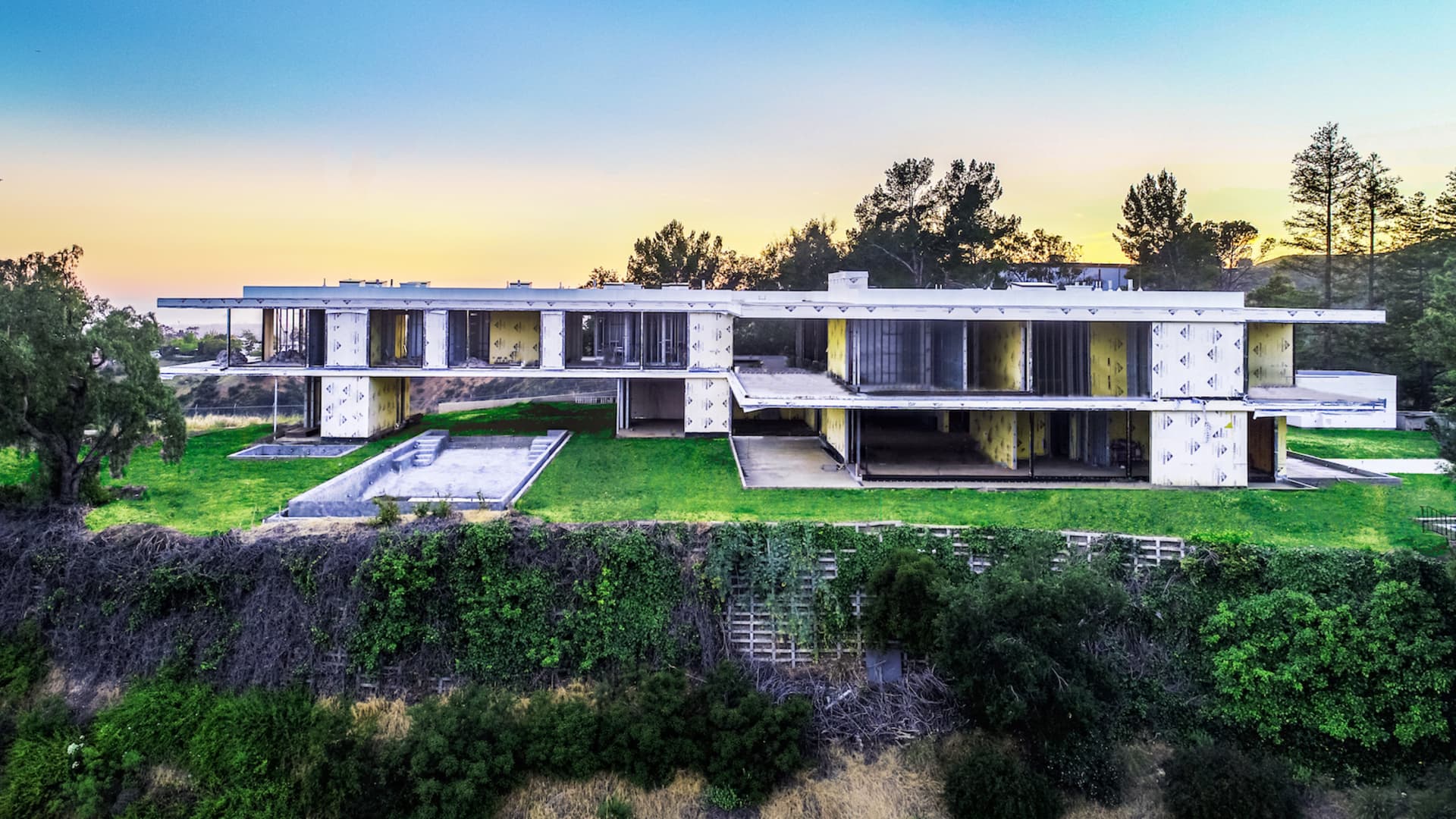
Checklist
Essential amenities found in 2026's top mega mansions.
- Private home theater with acoustic treatment
- Full-service spa with hydrotherapy pools
- Geothermal or solar energy integration
- Smart home automation hub
- Wine cellar with climate control
- Indoor-outdoor living spaces
Where to find these architectural marvels
Locating a mega mansion requires looking beyond standard listing sites. These properties are often marketed as "luxury retreats" or "estate listings" on specialized platforms that cater to high-net-worth buyers.
1. Search luxury-specific platforms
Start with dedicated luxury portals like Zillow’s luxury section or Sotheby’s International Realty. These platforms filter for the scale and amenities typical of mega mansions, such as expansive square footage and unique architectural features.
On Zillow or Sotheby’s, use the "Luxury" filter. Set minimum square footage to 10,000 sq ft to narrow results to mega mansion territory. This helps you find homes that meet the general definition of a megamansion.
Expand your search to international markets if you are looking for specific architectural styles. Platforms like Mansion Global often feature estates in Japan, Europe, and other regions known for unique mega mansion designs.
Mega mansions are rarely open for casual walk-throughs. Contact the listing agent directly to schedule a private tour. Be prepared to provide proof of funds or pre-approval for serious inquiries.
2. Verify property details
Once you find a potential mega mansion, verify its status. Many of these properties are off-market or sold through exclusive networks. Check if the listing is active or pending. If it is off-market, you may need to work with a specialized luxury real estate agent to gain access.
3. Watch video tours
Before visiting, watch a video tour. This helps you assess the scale and style of the mega mansion without committing to a long-distance trip. Many luxury listings include high-quality video walkthroughs that showcase the interior and exterior features in detail.
What qualifies as a mega mansion?
There is no official government designation for a mega mansion, but the real estate industry has settled on a clear threshold. A home generally qualifies as a megamansion if it exceeds 10,000 square feet. This size distinguishes it from standard luxury estates, which often cap out between 5,000 and 8,000 square feet.
The scale is not just about floor space. These residences feature extensive amenities such as private theaters, spas, guest houses, and sprawling grounds. While 10,000 square feet is the entry point, the rarest mega mansions top out at 100,000 square feet or more, representing the pinnacle of residential architecture.
No comments yet. Be the first to share your thoughts!