

Japan's Emerging Mansion Aesthetic
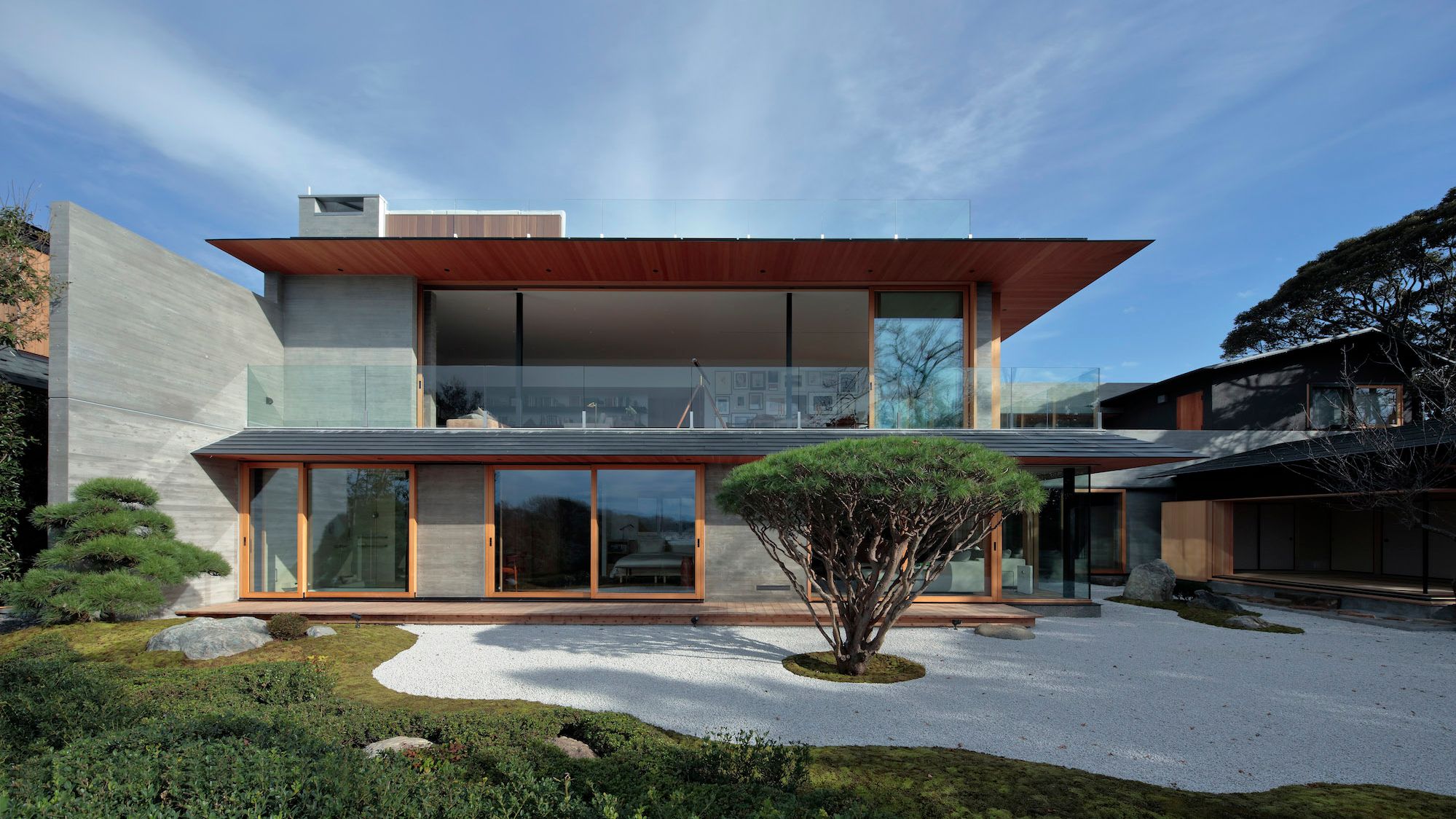
Japanese architecture is seeing a new trend: the neo-traditional mega mansion. These homes fuse ancient design with modern luxury, moving away from sterile glass and steel to embrace serenity and a connection to nature.
Japan's architectural heritage is being re-evaluated, not as relics, but as foundations for opulent living. The goal isn't to replicate historical designs, but to distill their essence for contemporary needs, creating homes that are both modern and rooted in Japanese identity.
Karuizawa, a mountain retreat for Tokyo's wealthy, is a focal point for this movement. A recent video showed how Japan's wealthiest spend summers there in homes blending old and new. Tradition is actively lived in, even with extraordinary wealth and modern convenience. This trend reflects a desire for mindful luxury.
The Core Elements: Design Principles
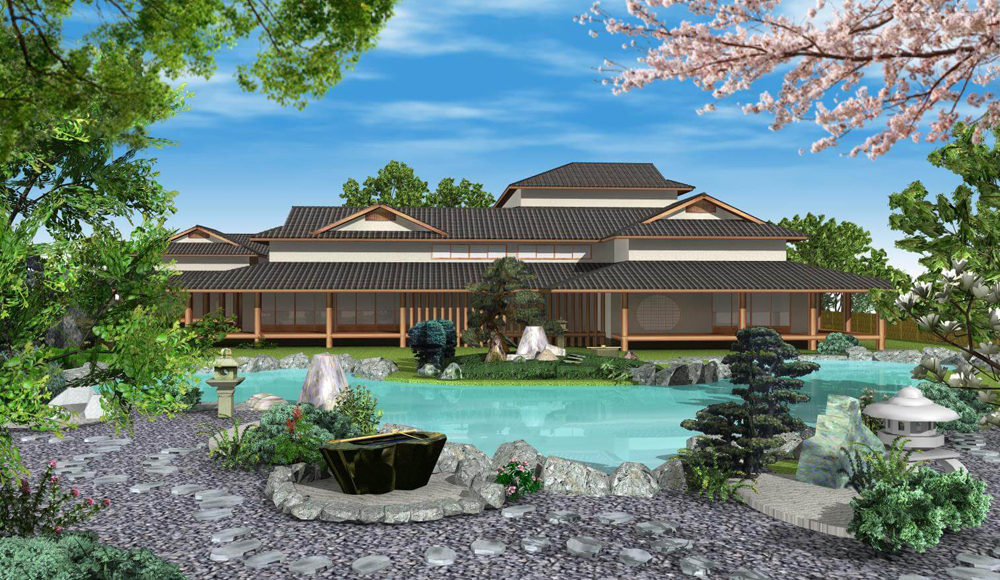
Key architectural elements define this neo-traditional aesthetic. Natural materials like sustainably sourced wood, local stone, and woven bamboo are emphasized. These choices create harmony with the environment.
Traditional Japanese spatial concepts are reinterpreted. Ma (negative space) creates calm and openness. The engawa (veranda) extends living space, blurring indoor-outdoor lines. Shoji screens diffuse light for a soft atmosphere.
These mansions differ due to a fundamental shift in design philosophy: building with the landscape, not on it. Designs integrate natural contours and views for peaceful coexistence, creating spaces that feel organic and connected to their surroundings.
Inside a $10 Million World
Inside these mansions, understated elegance prevails. Open-plan layouts promote flow and connection. Minimalism dominates, with curated furnishings and a focus on quality. Japanese art and craftsmanship add cultural richness.
Natural light floods interiors through large windows and skylights. Tranquil spaces like tea rooms or Zen gardens offer respite from modern life. These homes serve as sanctuaries for contemplation and rejuvenation.
Features include tatami mat flooring, storable futon beds, and onsen-style bathrooms. A $10 million mansion in Karuizawa also showed state-of-the-art home theaters, gyms, and entertainment spaces, all integrated into the design.
- Home Theaters: Often feature advanced sound systems and comfortable seating.
- Gyms: Equipped with the latest fitness equipment.
- Entertainment Spaces: Designed for both intimate gatherings and larger parties.
Luxury Amenities
- Indoor Onsen - Private hot spring baths, often utilizing natural mineral water sources, are a staple of luxury Japanese homes, offering a serene and therapeutic experience.
- Traditional Tea Room (Chashitsu) - Authentically designed tea rooms, built with natural materials like wood and paper, provide a space for the Japanese tea ceremony, emphasizing tranquility and mindfulness.
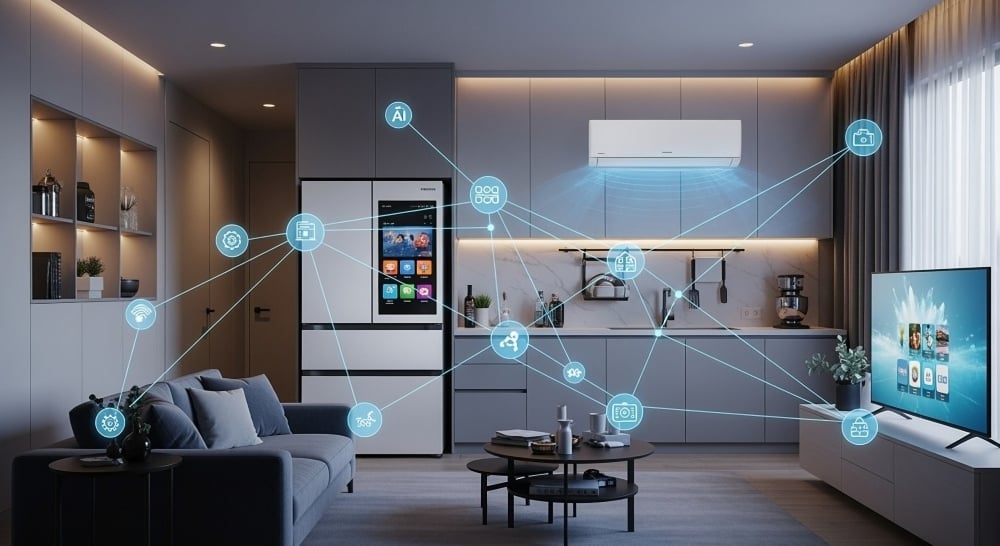
- State-of-the-Art Home Automation - Integrated systems controlling lighting, temperature, security, and entertainment, often utilizing Crestron or Lutron systems, offer convenience and energy efficiency.
- Private Zen Garden (Karesansui) - Carefully curated rock gardens, designed to evoke landscapes and promote meditation, are a common feature, emphasizing minimalist aesthetics and natural beauty.
- Shoji Screen Room Dividers - Utilizing traditional shoji screens, these dividers offer flexible space management while diffusing natural light and maintaining a connection to Japanese aesthetics.
- Wine Cellar - Climate-controlled wine cellars, often featuring custom racking and tasting areas, are increasingly popular for entertaining and preserving valuable collections.
- Multi-Car Garage with Showroom Finish - Beyond simple parking, these garages are designed as display spaces for luxury vehicles, often with polished concrete floors and integrated lighting.
Technology Meets Tradition
These mansions integrate cutting-edge technology for comfort, security, and efficiency. Smart home systems control lighting, temperature, and entertainment, while advanced security features offer peace of mind.
Technology is subtly integrated, often hidden from view. Control panels are discreet, speakers are concealed, and smart features operate behind the scenes to maintain the minimalist aesthetic.
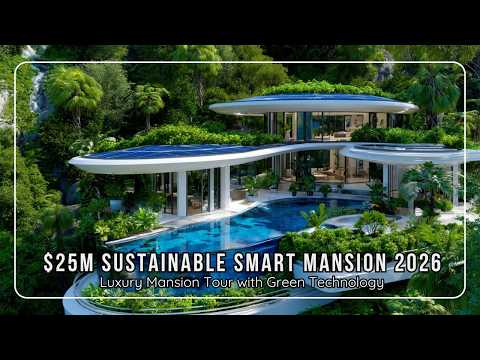
Energy efficiency is a major consideration, with features like solar panels, geothermal heating, and advanced insulation. This minimizes the environmental impact of these large homes, reflecting growing sustainability awareness. The principle is to enhance the living experience without disrupting tranquility.
Karuizawa and Beyond: Regional Variations
Karuizawa is the epicenter of this trend, but neo-traditional mansions are emerging elsewhere in Japan. Hakone, a mountain resort town known for hot springs and Mount Fuji views, is another popular location.
Tokyo's outskirts, especially areas with nature access, are attracting interest. Developers are creating exclusive enclaves for those seeking respite from the city. Demand is clear for properties offering luxury and tranquility.
Regional climate and landscape influence design. Colder regions might feature thicker walls and robust heating, while warmer areas prioritize natural ventilation and shading. The neo-traditional aesthetic adapts to each location's characteristics.
The Minimalist Influence
Minimalist design is deeply ingrained in these mansions, reflecting a cultural aesthetic valuing simplicity, functionality, and rejection of excess. Every element is carefully considered, and clutter is avoided.
This minimalism isn’t about deprivation; it’s about intentionality. Each object is chosen for its beauty, its utility, or its emotional resonance. The focus is on creating a space that is both visually calming and deeply satisfying. A recent video showcasing a Japanese minimalist house really highlights this principle.
This aesthetic has a growing appeal to a global audience. People are increasingly drawn to the idea of creating spaces that are free from distractions, where they can reconnect with themselves and with nature. The neo-traditional Japanese mansion offers a compelling vision of how to achieve that.
Sustainability and Future Trends
Sustainability is becoming an increasingly important consideration in the design and construction of these mansions. Developers are using eco-friendly materials, such as sustainably sourced wood and recycled concrete, to minimize the environmental impact of their projects.
Energy-efficient technologies, like solar panels, geothermal heating, and rainwater harvesting systems, are also becoming standard features. Water conservation is another priority, with features like low-flow fixtures and greywater recycling systems. It’s a recognition that luxury and sustainability aren't mutually exclusive.
Looking ahead, I expect to see even greater integration of technology, perhaps with the development of smart materials that can respond to changes in temperature and light. There might also be a return to more traditional craftsmanship, with a renewed emphasis on handmade details and artisanal techniques. Climate change will undoubtedly play a role, driving the development of designs that are more resilient and adaptable.
What aspect of these neo-traditional Japanese mega mansions appeals to you the most?
Japan's 2026 architectural marvels are redefining luxury by seamlessly blending centuries-old design principles with cutting-edge modern living. From serene zen gardens to state-of-the-art smart home systems, these mega mansions offer a truly unique experience. We want to know which element resonates with you the most. Vote below!
No comments yet. Be the first to share your thoughts!