

Beyond Automation: The Rise of AI Estates
The smart home promise once felt limited, with voice-controlled lights and app-adjusted thermostats. Now, artificial intelligence is transforming these into intelligent estates that proactively anticipate needs, managing homes with unprecedented sophistication.
Early smart home tech focused on control, but today's AI systems understand habits, predict preferences, and adapt to lifestyles. Tech billionaires are driving this shift, prioritizing privacy, security, and cutting-edge living. For them, an AI mansion is a statement of success and a look at the future.
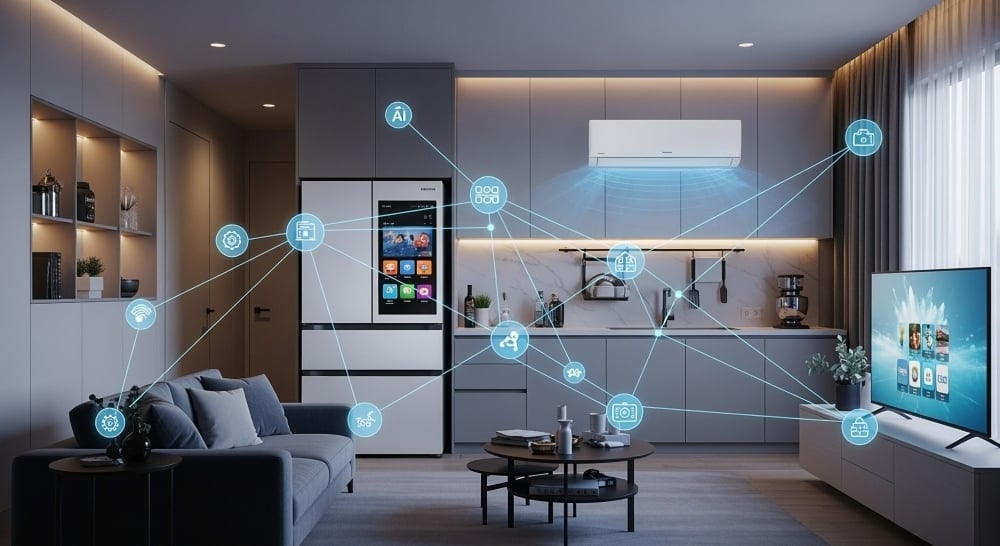
These homes are engineered ecosystems where every component works in harmony, orchestrated by a central AI. Integration, not just the presence of technology, defines these estates. The goal is a living environment that feels like an extension of oneself.
We are moving beyond telling houses what to do, into a future where they understand our needs. Luxurious mansions being built today lead this charge, serving as testing grounds for the future of living.
The Security Fortress: AI Guardianship
AI-powered systems offer a paradigm shift in security for high-net-worth individuals, moving beyond simple alarms and cameras to a multi-layered approach creating an almost impenetrable fortress.
Biometric access control now includes facial recognition, vein scanning, and gait analysis, verifying authorized individuals. Drone patrols offer perimeter surveillance, but the real innovation is predictive security.
AI algorithms analyze data from cameras, sensors, and social media to identify potential threats before they materialize. Alerts and automated responses, such as lockdowns or contacting authorities, can occur without human intervention, a significant improvement over reactive measures.
Privacy is addressed through on-device processing for local data analysis, end-to-end encryption, and secure networks. Companies like Fortress Intelligence and Knightscope specialize in these high-end security solutions for the ultra-wealthy.
- Facial Recognition: Advanced systems analyze facial features for access control.
- Vein Scanning: Highly secure authentication method using unique vein patterns.
- Drone Patrols: Automated surveillance of the property perimeter.
- Predictive Security: AI analyzes data to anticipate potential threats.
Personalized Environments: AI as Butler
The most impressive aspect of these AI-powered mansions is their seamless integration into daily life, feeling like a dedicated butler anticipating every need. This personalization extends to every aspect of the home environment.
Automated climate control learns preferences based on time of day, weather, and activity level, optimizing energy use and comfort. Lighting schemes dynamically adjust to mood, time of day, and artwork, creating the perfect ambiance.
AI curates music playlists and recommends movies, adjusting volume and lighting for a cinematic experience. Automated art rotation systems ensure a constantly evolving aesthetic, creating an environment that responds to individual tastes.
The AI's invisibility is key; it works in the background, creating a seamless living experience by learning habits, anticipating needs, and subtly adjusting the environment to enhance well-being.
AI Conveniences
- Automated Grocery Ordering - Leveraging predictive analytics based on consumption patterns, these homes automatically replenish pantry staples and favorite items through services like Instacart and Amazon Fresh, minimizing waste and ensuring residents always have what they need.
- Personalized Scent Diffusion - Integrated systems from companies like Aera distribute custom scent profiles throughout the home, adjusting based on time of day, mood, or even biometric data from wearable devices, creating an immersive and tailored atmosphere.
- Robotic Window Cleaning - Exterior window maintenance is handled by robotic systems, such as those offered by Lobot, ensuring pristine views without the need for manual labor or external services.
- Automated Plant Watering - Sophisticated soil sensors paired with smart irrigation systems, like Rachio, deliver precise hydration to indoor and outdoor plants, optimizing growth and conserving water.
- Smart Mirrors with Health Monitoring - Bathroom mirrors incorporate health tracking technology, analyzing vitals like heart rate and skin condition, and integrating with telehealth platforms for proactive wellness management.
- AI-Powered Chef Assistant - Kitchens feature AI assistants capable of recipe recommendations, automated appliance control, and even guiding users through complex cooking techniques, enhancing the culinary experience.
- Automated Closet Organization - Closets utilize robotic arms and AI-powered image recognition to categorize clothing, suggest outfits, and even handle dry cleaning requests, maximizing space and simplifying wardrobe management.
Sustainable Luxury: Eco-Conscious AI
Luxurious AI-powered mansions prioritize sustainability with cutting-edge eco-friendly features managed by intelligent systems, recognizing that true luxury includes environmental responsibility.
Smart energy grids integrate solar power, battery storage, and optimized consumption. AI algorithms analyze energy usage, minimizing waste and grid reliance. Water conservation includes greywater recycling, leak detection, and automated irrigation.
Automated waste management systems sort and process waste, maximizing recycling. AI can optimize delivery schedules to reduce emissions. These systems benefit the environment and offer significant cost savings.
Many homes achieve LEED certifications, demonstrating a commitment to sustainable building practices and creating a home that is both luxurious and environmentally responsible.
Sustainability Comparison: AI-Powered Smart Mansions vs. Traditional Luxury Homes (2026)
| Feature | Traditional Luxury Homes | AI-Powered Smart Mansions | Comparative Advancement |
|---|---|---|---|
| Energy Efficiency | Often reliant on standard HVAC systems with limited zoning. | AI-driven systems optimize energy use based on occupancy, weather patterns, and individual preferences. Integration with smart grids and renewable energy sources is common. | Significant Advancement |
| Water Conservation | May include low-flow fixtures, but often lacks comprehensive monitoring or automated control. | AI monitors water usage in real-time, detects leaks, and automates irrigation systems based on soil moisture and weather forecasts. Greywater recycling is frequently implemented. | Leading-Edge |
| Waste Reduction | Standard waste management practices with potential for recycling programs. | AI-powered systems can sort and compact waste for optimized recycling. Composting systems may be integrated, and purchasing habits are analyzed to minimize waste generation. | Advanced |
| Material Sourcing | Materials selected primarily for aesthetics and cost, with limited focus on sustainability. | Emphasis on locally sourced, recycled, and sustainable materials. AI can track the lifecycle of building materials and prioritize environmentally friendly options. | Advanced |
| Carbon Footprint | Typically higher due to energy consumption, material production, and transportation. | Reduced carbon footprint through energy efficiency, renewable energy integration, sustainable materials, and optimized logistics. AI can model and minimize the overall environmental impact. | Significant Advancement |
| Indoor Air Quality | Standard HVAC filtration systems. | AI-powered air purification systems monitor and adjust to maintain optimal air quality, removing pollutants and allergens. Integration with ventilation systems for fresh air intake. | Advanced |
| Lighting Control | Traditional lighting systems with dimmers. | AI-driven lighting systems adjust brightness and color temperature based on natural light levels, occupancy, and time of day, maximizing energy savings and occupant well-being. | Leading-Edge |
Illustrative comparison based on the article research brief. Verify current pricing, limits, and product details in the official docs before relying on it.
The Wellness Wing: AI-Driven Health
The focus on well-being extends beyond comfort. These mansions incorporate wellness wings with cutting-edge technologies to optimize physical and mental health, with AI personalizing these experiences.
In-home gyms feature AI trainers analyzing form and progress for customized workouts. Automated spas offer personalized treatments, sleep monitors provide recommendations, and air purification systems maintain optimal air quality.
AI analyzes health data from wearables and other sources for personalized diet, exercise, and stress management recommendations. Some estates integrate with remote healthcare providers for virtual consultations and monitoring, creating a holistic wellness environment.
The integration of health data raises privacy concerns, addressed by robust data encryption and security measures. Residents control data collection and usage.
Case Study: The Silicon Valley Sanctuary
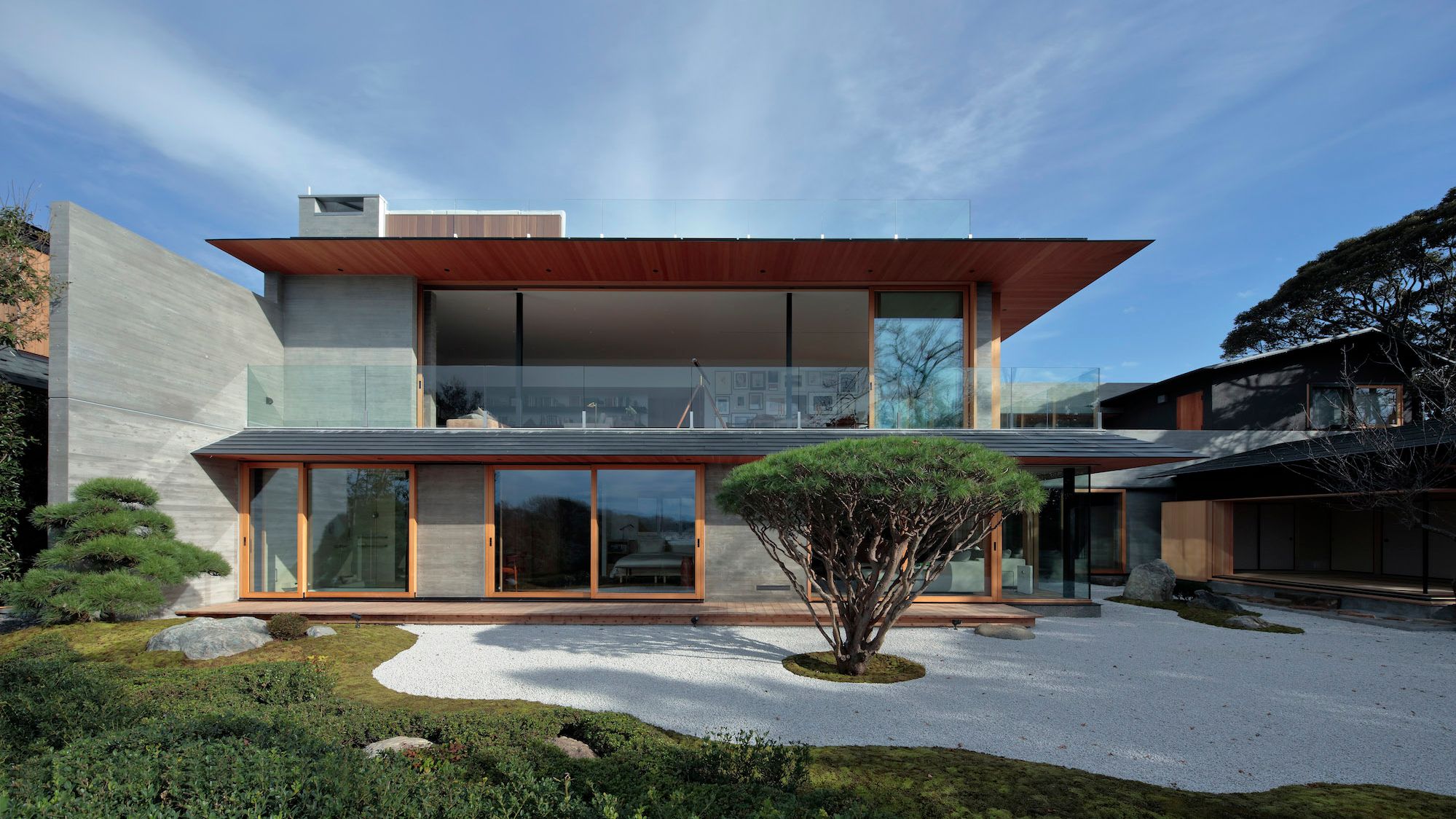
undefined 20,000 square feet, is designed to be almost entirely self-sufficient.
Security is paramount. The property is surrounded by a perimeter of sensors and cameras, monitored by an AI system that can detect and respond to potential threats. Drones patrol the grounds, providing an additional layer of surveillance. Access is granted via biometric authentication, including facial recognition and vein scanning. The system learns the patterns of residents and visitors, flagging any anomalies.
Inside, AI manages every aspect of the environment. Climate control is personalized to each room, based on occupancy and preferences. Lighting adjusts automatically to create the perfect ambiance. Entertainment systems curate content based on individual tastes. The home even features an automated art rotation system, displaying different pieces from the owner’s collection.
Sustainability is also a key focus. The estate generates its own power through solar panels and battery storage. Water is recycled and reused. Waste is sorted and processed automatically. The AI system optimizes energy and water consumption, minimizing the environmental impact. The owner reportedly wanted a home that was not only luxurious but also environmentally responsible.
Perhaps the most striking feature is the wellness wing, which includes a state-of-the-art gym, a spa, and a meditation room. AI-powered personal trainers provide customized workout plans. The spa offers personalized treatments based on individual needs. The meditation room features ambient lighting and soundscapes designed to promote relaxation. This isn’t just a house; it’s a sanctuary designed to support a healthy and fulfilling lifestyle.
The owner’s stated goal was to create a home that anticipates his needs, protects his privacy, and promotes his well-being. This Silicon Valley sanctuary represents the pinnacle of AI-powered luxury, a glimpse into the future of living.
The Cost of the Future: Building & Maintaining AI Estates
Let's be realistic: building and maintaining an AI-powered mansion doesn’t come cheap. The costs are substantial, encompassing everything from construction to ongoing software subscriptions. It’s an investment that only a select few can afford.
Construction costs are significantly higher than for a traditional mansion. Integrating the necessary infrastructure – smart wiring, sensors, servers, and security systems – adds a considerable premium. Expect to pay at least $1,000 per square foot, and potentially much more depending on the level of customization and the complexity of the AI systems. A 20,000 square foot estate could easily cost $20 million or more to build.
Installation of the AI systems themselves is a major expense. This includes the cost of hardware, software, and professional installation services. Ongoing software subscriptions and maintenance fees can add another $100,000 or more per year. Energy consumption is also a factor, although smart energy management systems can help to offset this cost.
The total cost of ownership – including construction, installation, maintenance, and energy – can easily exceed $200,000 per year. But for the tech billionaires who are driving this trend, the benefits – privacy, security, convenience, and the sheer novelty of living in a truly intelligent home – are worth the expense.
Looking Ahead: The Evolution of the AI Home
The AI-powered mansion of 2026 is just the beginning. As technology continues to evolve, we can expect even more sophisticated and integrated systems. Emerging technologies like holographic interfaces, advanced robotics, and brain-computer interfaces have the potential to transform the way we interact with our homes.
Imagine controlling your home with a thought, or having robots that can perform complex tasks around the house. Picture a home that anticipates your needs before you even realize them, creating a truly seamless and personalized living experience. These aren't just fantasies; they are realistic possibilities.
The ultimate goal is to create self-sufficient ecosystems, where homes generate their own energy, recycle their own waste, and produce their own food. These estates will become increasingly independent, resilient, and sustainable. Of course, this raises ethical questions about data privacy, algorithmic bias, and the potential for technological dependence. These are challenges that we must address as we move towards the future of intelligent living.


No comments yet. Be the first to share your thoughts!