

Beyond Automation: The Rise of the AI Mansion
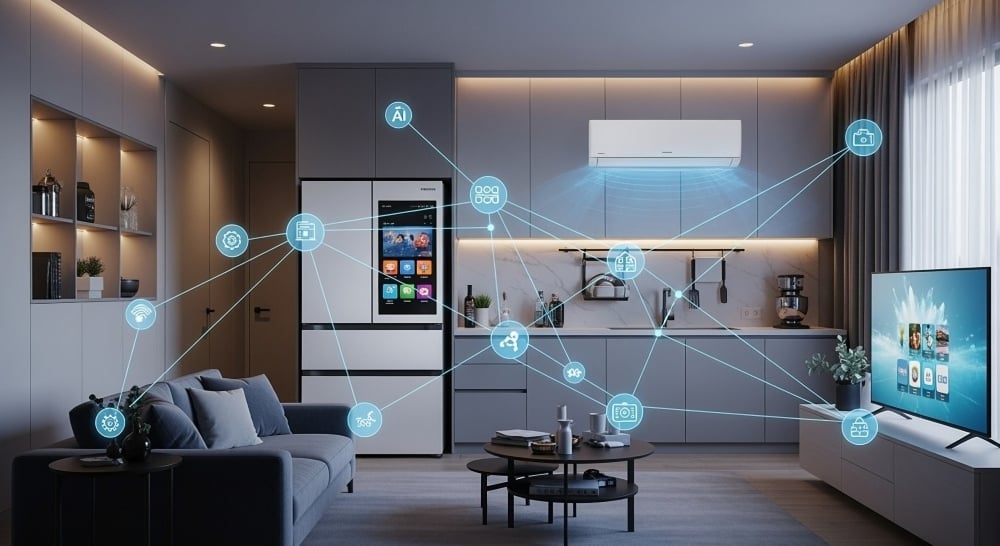
Smart homes, with their pre-programmed routines, feel quaint now. The AI-powered mansion is different. It anticipates needs, learns preferences, and proactively adjusts to create an optimal living environment. This is a fundamental shift in how we interact with our surroundings.
This sophistication isn't accessible to everyone. Tech billionaires are driving the current wave of AI mansions, seeing these homes as extensions of their businesses, laboratories for experimentation, and statements of their success.
Architecturally, these homes often lean towards modern, minimalist designs with clean lines, open spaces, and abundant glass. AI integrates seamlessly into this canvas. While not a strict rule—AI can be integrated into traditional styles with a more subtle effect—the goal is for the tech to disappear into the background, not to be shown off.
Smart homes react; AI mansions predict. A smart home might turn on lights when you enter a room. An AI mansion learns your schedule and anticipates your arrival, adjusting lighting, temperature, and music to your preferred settings before you walk through the door. This is a subtle but profound distinction.
The Billionaire Blueprint: Key Demands
These clients seek a highly personalized and controlled environment, not just convenience. Security is paramount, with multi-layered systems beyond traditional alarms and surveillance. Biometric access control, drone patrols, and sophisticated intrusion detection systems are common.
Privacy is equally important and often more challenging. Clients demand soundproofing that rivals recording studios, signal jamming technology to prevent unauthorized network access, and shielding against electromagnetic radiation. They want a sanctuary to disconnect from the outside world.
Wellness is another major priority. Air purification systems, circadian rhythm lighting that mimics natural sunlight, and personalized climate control are common requests. Some integrate biometric sensors into bathrooms to monitor health and provide personalized recommendations.
Entertainment needs to be immersive and seamless. State-of-the-art home theaters are standard, but clients also seek interactive experiences, virtual reality integration, and automated concierge services for a complete sensory experience.
These demands ultimately boil down to control and personalization. Individuals expect their homes to reflect their preferences, anticipating needs and enhancing their lifestyle.
- Uncompromising Security: Biometric access, drone patrols, intrusion detection.
- Absolute Privacy: Soundproofing, signal jamming, electromagnetic shielding.
- Holistic Wellness: Air purification, circadian lighting, personalized climate control.
- Immersive Entertainment: State-of-the-art home theaters, VR integration, concierge services.
- Total Personalization: Automated systems adapting to individual preferences.
Smart Home Features
- Predictive Climate Control - Utilizing data from weather forecasts and occupancy patterns, these systems, often integrating with platforms like Nest or ecobee, proactively adjust temperature and humidity for optimal comfort and energy efficiency.
- AI-Powered Security Perimeter - Beyond standard surveillance, these systems employ AI to distinguish between normal activity and potential threats, leveraging cameras from companies like Verkada and integrating with professional monitoring services.
- Biometric Access Control - Advanced security features utilizing fingerprint, facial recognition, or even vein pattern scanning for secure entry, often incorporating hardware from brands like Assa Abloy.
- Personalized Wellness Pods - Dedicated spaces equipped with advanced sensors and technology to monitor and optimize health, potentially including features like circadian rhythm lighting, air purification systems (like those from Dyson), and personalized aromatherapy.
- Automated Art Rotation - Systems capable of automatically rotating artwork displayed throughout the home, using robotic arms and wall-mounted tracks to showcase collections, often integrating with art management software.
- Invisible Entertainment Systems - High-end audio and video setups designed to blend seamlessly into the home's architecture, utilizing technologies like Sonance invisible speakers and disappearing screens.
- Dynamic Lighting Schemes - Intelligent lighting systems that adapt to the time of day, mood, and activity, often utilizing Philips Hue or Lutron systems, to create immersive and personalized environments.
Case Study: The Atlanta Estate – A Deep Dive
Atlanta’s Buckhead neighborhood is a hotspot for these ultra-luxurious homes. One estate, recently featured on Daily High House, exemplifies the trend. This 22,000-square-foot mansion is a fully integrated AI ecosystem, showcasing how these technologies are deployed and impact everyday life.
A custom-built AI platform from a Silicon Valley firm serves as the estate’s central nervous system, connecting and controlling everything from lighting and temperature to security and entertainment. The system uses over 500 sensors throughout the property, constantly collecting data on occupancy, environmental conditions, and user preferences.
Security is incredibly robust. The perimeter is protected by a combination of infrared cameras, motion sensors, and a virtual fence that uses AI to detect and identify potential threats. The system can even distinguish between a human, an animal, and a vehicle, minimizing false alarms. Access to the property is granted via biometric scanners and facial recognition technology.
Inside, the AI system learns residents’ routines and adjusts the environment. Lighting dims and temperature lowers in the evening for a relaxing atmosphere. The music system plays personalized playlists based on mood and activity. Kitchen appliances suggest recipes based on available ingredients and dietary preferences.
An automated art collection is a particularly impressive feature. The AI system adjusts lighting and temperature to protect valuable artwork and provides information about pieces to guests, acting as a virtual docent. This creates a home that anticipates needs and enhances lifestyle.
Sources close to the owners say living there feels almost effortless. The home handles mundane tasks, allowing residents to focus on what matters most. This offers a level of convenience and personalization previously unimaginable.
Japan's Minimalist AI Homes: A Different Approach
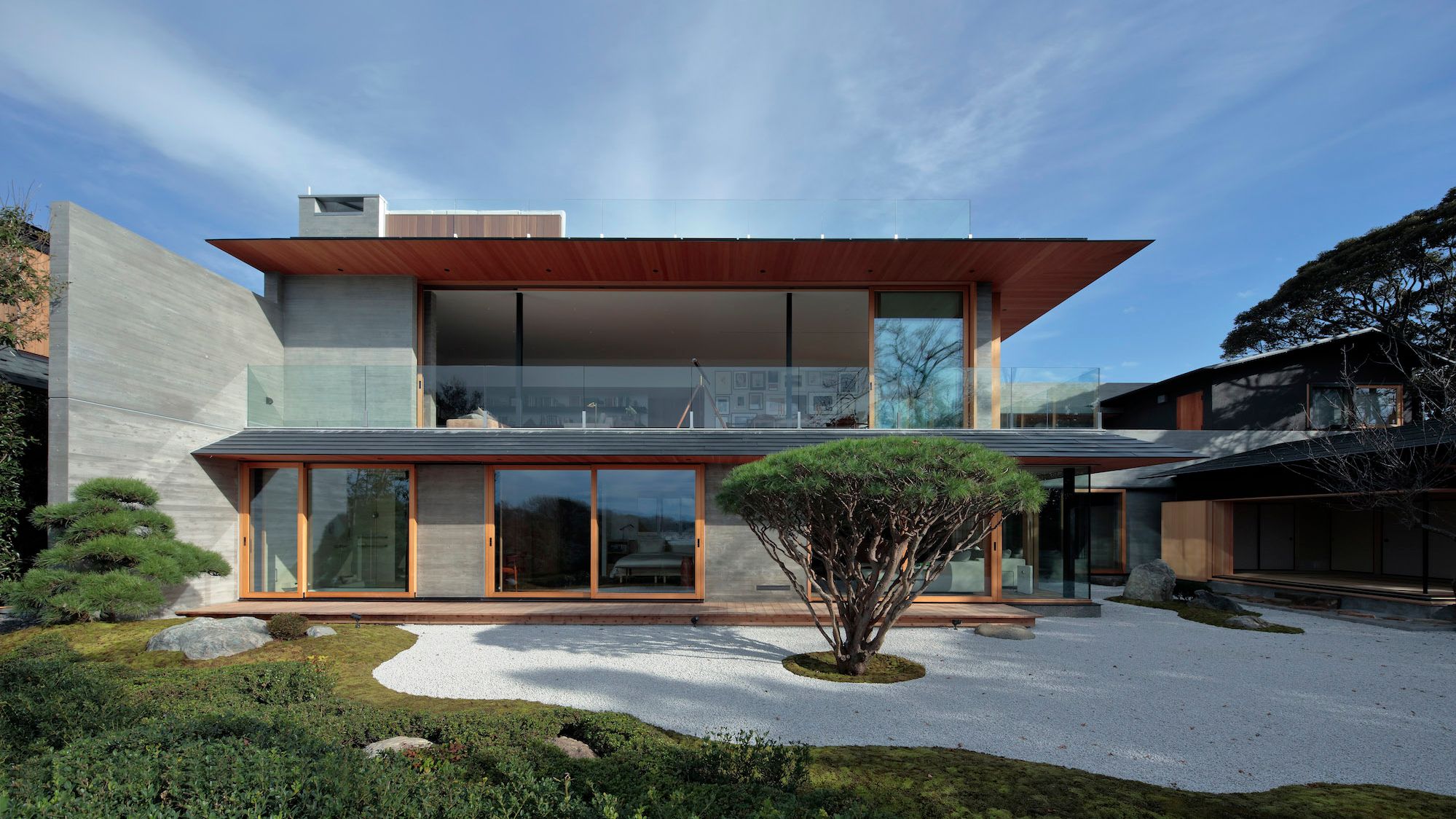
While the Atlanta estate is tech-forward, Japan takes a more subtle, integrated path to the AI-powered mansion. Japanese architecture traditionally emphasizes harmony with nature, minimalism, and tranquility, values reflected in AI integration.
Japanese architects focus on seamless integration, hiding AI systems within walls and furniture. The goal is a home that feels intuitive and natural, not imposing.
Earthquake preparedness drives technological innovation in Japan. AI systems monitor structural integrity, detect hazards, and automatically activate safety measures during earthquakes. This is a practical AI application addressing a real concern.
Energy efficiency is another key priority. AI systems optimize energy consumption, manage solar panels, and store excess energy in batteries, reducing homeowners’ carbon footprint and energy bills.
The focus in Japan appears to be less on creating a 'smart' home and more on a 'responsive' home—a space that adapts to occupants' needs subtly and unobtrusively. This contrasts with the more extravagant approach seen in the United States.
- Seamless Integration: AI hidden within architecture.
- Earthquake Preparedness: Structural monitoring and automated safety measures.
- Energy Efficiency: Optimized consumption and solar panel management.
- Minimalist Aesthetic: Prioritizing tranquility and natural harmony.
The Core Technologies: What's Under the Hood
These AI mansions rely on a convergence of key technologies. Advanced sensors are the foundation, collecting data on everything from temperature and humidity to occupancy and movement. These sensors provide the raw material for AI systems to learn and adapt.
Machine learning algorithms are the brains of the operation. They analyze sensor data, identify patterns, and predict future events to make decisions. For example, an algorithm can learn preferred temperature settings and automatically adjust the thermostat.
Natural language processing (NLP) enables voice interaction with the home. NLP allows the AI system to understand commands and respond conversationally, similar to voice assistants like Alexa and Google Assistant.
undefined This technology is used for security, access control, and personalized experiences. For example, the house can automatically adjust the lighting and music when it recognizes you entering a room.
Robotics, while still in its early stages, is playing an increasingly important role. Robotic assistants can handle tasks such as cleaning, cooking, and gardening. They can also provide companionship and support for elderly or disabled residents.
Security & Privacy: The Biggest Concerns
The more connected a home becomes, the more vulnerable it is to hacking and surveillance. Security is a paramount concern for these clients, and they’re willing to invest heavily in protecting their privacy. Multi-factor authentication, encryption, and intrusion detection systems are all standard features.
However, even the most sophisticated security measures can be compromised. The potential for data breaches is a constant threat. One approach to mitigating this risk is edge computing, which involves processing data locally, rather than sending it to the cloud. This reduces the amount of data that is transmitted over the network, making it more difficult for hackers to intercept.
Privacy is another major concern. These homes collect a vast amount of data about their residents, and it’s crucial to ensure that this data is protected. Clients are demanding transparency about how their data is being used and the ability to control what information is collected.
There’s a fundamental trade-off between convenience and security. The more features and automation a home has, the more potential vulnerabilities it creates. Finding the right balance is a challenge. It's a conversation that homeowners and tech providers are actively having.
I'm seeing a trend toward decentralized systems, where data is stored and processed on local servers, rather than in the cloud. This gives homeowners more control over their data and reduces the risk of a large-scale data breach.
Smart Mansion Security System Comparison - 2026
| Security Approach | Pros | Cons | Cost | Privacy Level |
|---|---|---|---|---|
| Local Processing | Faster response times due to minimal latency. Data remains within the property, potentially reducing external vulnerabilities. | Requires significant on-site hardware and dedicated IT maintenance. Scalability can be limited. | High initial investment and ongoing maintenance costs. | High – Data is contained within the property’s network. |
| Cloud Processing | Scalability is readily available. Lower upfront investment as infrastructure is managed by a third party. Remote access and monitoring capabilities. | Reliance on internet connectivity. Potential for data breaches or service disruptions. Data transmission introduces latency. | Subscription-based, with costs varying based on data usage and features. | Moderate – Relies on the security protocols of the cloud provider. |
| Biometric Authentication | Highly secure and difficult to forge. Convenient access for authorized individuals. Reduces risk of lost or stolen keys. | Potential for false rejections or acceptance. Concerns about biometric data storage and potential misuse. System vulnerabilities to sophisticated attacks. | Moderate to High – Dependent on the sophistication of the biometric system. | Moderate – Biometric data requires secure storage and handling. |
| Traditional Keys | Simple and reliable. No reliance on technology or power. | Susceptible to loss, theft, or duplication. Offers limited access control and audit trails. | Low initial cost, but potential costs associated with re-keying. | Low – Offers minimal privacy protection. |
| AI-Powered Surveillance | Proactive threat detection and analysis. Can identify patterns and anomalies. Reduces the need for constant human monitoring. | Potential for false positives. Requires substantial data for training and optimization. Ethical concerns regarding data usage and potential bias. | High – Includes costs for hardware, software, and ongoing data analysis. | Moderate – Data collection and analysis raise privacy concerns. |
| Human Security Personnel | Provides a visible deterrent. Capable of responding to complex situations requiring judgment. Offers a personal touch. | High labor costs. Potential for human error or negligence. Coverage may be limited. | Very High – Ongoing salary, benefits, and training costs. | Moderate – Relies on the discretion and training of security personnel. |
| Hybrid Approach (AI & Human) | Combines the strengths of both AI and human security. AI handles routine monitoring, while humans respond to critical events. | Requires careful coordination and training. Can be complex to manage. | High – Combines the costs of AI technology and human personnel. | Moderate to High – Dependent on the implementation and data handling practices. |
Illustrative comparison based on the article research brief. Verify current pricing, limits, and product details in the official docs before relying on it.
Standout Integrations: Beyond the Basics
Some mansions are pushing the boundaries of what’s possible with AI integration. One estate in California features a fully automated art collection. The AI system not only manages the lighting and temperature to protect the artwork but also curates the collection based on the owner’s preferences and the current mood.
Another property, located in Texas, boasts a self-healing garden. The AI system monitors the health of the plants and automatically adjusts the watering, fertilization, and lighting to ensure they thrive. It can even diagnose and treat diseases before they become a problem.
Perhaps the most ambitious integration I’ve come across is a system that anticipates the owner’s emotional state. Using a combination of biometric sensors and facial recognition technology, the AI system can detect when the owner is feeling stressed, anxious, or sad. It then adjusts the environment accordingly, dimming the lights, playing calming music, and even releasing aromatherapy scents.
These are the kinds of innovations that truly set these mansions apart. They’re not just about convenience and luxury; they’re about creating a living environment that is tailored to the individual’s needs and enhances their well-being.
The Future of the AI Mansion
The AI mansion is still in its early stages of development, and the possibilities are endless. We’re likely to see even more personalized and proactive systems in the future. Imagine a home that can diagnose and treat medical conditions, predict your nutritional needs, and even provide emotional support.
Holographic assistants are another emerging trend. These virtual assistants will be able to interact with you in a more natural and intuitive way than current voice assistants. They’ll be able to project themselves into your living space and provide information, entertainment, and companionship.
Fully autonomous maintenance systems are also on the horizon. These systems will be able to handle all of the routine maintenance tasks, such as cleaning, landscaping, and repairs, without any human intervention. It's a step towards a truly self-sufficient home.
However, it’s important to acknowledge the potential challenges. Ensuring security and privacy will become even more critical as these systems become more sophisticated. We also need to address the ethical implications of AI, such as bias and job displacement. The future of the AI mansion is bright, but it’s not without its complexities.
What's the most appealing aspect of an AI-powered mansion?
Vote below to share which feature stands out most in a next-generation AI-powered luxury home.


No comments yet. Be the first to share your thoughts!