

Beyond Green: Defining Climate-Resilient Luxury
"Sustainable’ has been the buzzword in luxury real estate for years. By 2026, it’s not enough. Luxury is now about security and longevity, not just opulent finishes and sprawling square footage. The focus is shifting to climate resilience – a home"s ability to withstand and recover from increasingly severe weather events.
This redefines luxury, rather than retreating from it. Buyers are investing in peace of mind and protection for their families, not just a status symbol. Escalating costs from climate disasters, like rebuilding after hurricanes or dealing with droughts, are driving this demand.
Builders and designers confirm this trend. They’re no longer asked simply to minimize a home’s environmental footprint. The question is now, "How can we build a home that will not only endure but thrive in a changing climate?" This requires a holistic approach, considering materials, construction techniques, landscaping, and energy systems.
This is a proactive stance, acknowledging future uncertainty and preparing for it. It’s about integrating resilience seamlessly into a luxurious lifestyle, not sacrificing comfort or aesthetics.
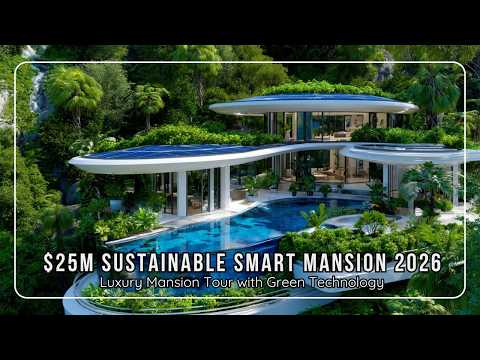
The Rising Tide of Demand
High-net-worth individuals, attuned to environmental concerns and long-term investment value, are fueling demand for climate-resilient luxury homes. These buyers, often early adopters of sustainable technologies, pay a premium for properties offering both luxury and security.
Sustainable investments are growing rapidly. A 2024 Morgan Stanley report showed a 68% increase in ESG investing among high-net-worth individuals, translating directly into a preference for eco-friendly and resilient properties in real estate.
While precise data on the premium for climate resilience is emerging, luxury real estate shows a clear trend. Properties with solar power, water conservation, and robust structural designs command higher prices and sell faster. Insurance brokers also report significant cost differences between standard and resilient homes.
While firm numbers on insurance premiums are unavailable, early indications are compelling. Insurers will likely favor—and reward—properties built to withstand extreme weather, particularly in coastal areas. This incentivizes developers and homeowners.
Case Study: Atlanta's 'Phoenix Estate'
Atlanta's 'Phoenix Estate,' profiled by Daily High House, exemplifies climate-resilient luxury. It’s a carefully engineered system designed to minimize environmental impact and withstand a changing climate. The estate includes a large-scale solar array providing a significant portion of its energy needs.
The Phoenix Estate also uses geothermal heating and cooling, tapping the earth’s constant temperature for efficient climate control. Rainwater harvesting and greywater recycling systems reduce water consumption, and native landscaping minimizes irrigation needs. These features are integral to the estate’s sustainability strategy.
The Phoenix Estate’s resilience is key. The home is built with reinforced concrete and impact-resistant windows to withstand severe storms and high winds. A backup power system with generators and battery storage ensures operation during outages. The landscaping manages stormwater runoff, reducing flood risk.
Materials were chosen deliberately for durability and low maintenance, minimizing repairs. It’s a long-term investment built to withstand time and climate challenges, showing luxury and responsibility can coexist.
Japan's Coastal Fortresses
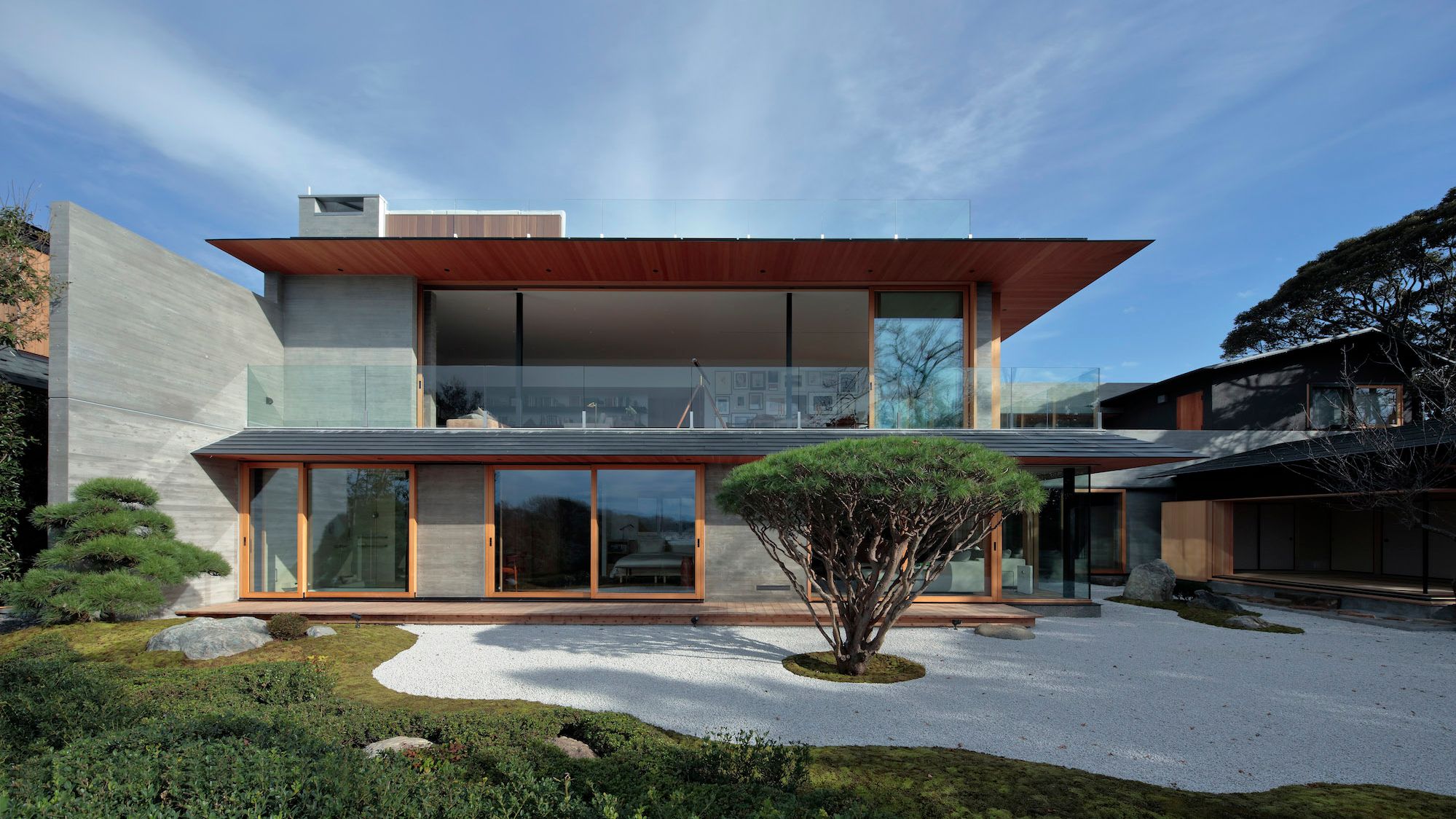
Japan, frequently battered by typhoons, earthquakes, and tsunamis, offers a unique perspective on climate-resilient design. Coastal luxury homes often resemble fortresses, blending traditional Japanese aesthetics with cutting-edge engineering to minimize damage and ensure occupant safety.
Elevated foundations lift homes above potential floodwaters. Reinforced concrete construction provides structural integrity against seismic activity and strong winds. Flexible building materials that absorb energy and prevent failure are also used, refined with sophisticated technology.
Steeply pitched roofs and deep eaves, traditional Japanese architectural elements, help shed water and protect homes. Natural materials like wood and bamboo add elegance and sustainability, though often treated for durability and resistance to moisture and pests.
While detailed public documentation of specific luxury properties is scarce, the general trend is clear. Japanese architects pioneer innovative solutions for beautiful, resilient homes, demonstrating how cultural heritage can inform climate adaptation.
Material Matters: The Future of Building
Materials are fundamental to building climate-resilient luxury homes. Sustainable alternatives like bamboo, reclaimed wood, recycled plastic, and hempcrete are gaining adoption. Bamboo is strong, lightweight, fast-growing, and renewable. Reclaimed wood adds character and reduces demand for new timber.
Resilience demands more than sustainability. Self-healing concrete, which repairs cracks automatically, is gaining traction. Phase-change materials in walls and roofs regulate temperature by absorbing and releasing heat. Impact-resistant glass protects against storms and intruders.
Hempcrete, a hemp fiber and lime mixture, offers excellent insulation and breathability. Mycelium bricks, grown from mushroom roots, are a strong, sustainable building material. The best choice depends on specific climate and design requirements.
Material costs vary significantly. Reclaimed wood is relatively affordable, while self-healing concrete is expensive and not widely available. Evaluating the long-term cost-benefit ratio, considering durability, maintenance, and energy efficiency, is crucial.
Sustainable Building Material Comparison for Luxury Mega Mansions
| Material Name | Source | Cost | Durability | Resilience | Aesthetic Versatility |
|---|---|---|---|---|---|
| Reclaimed Wood | Recycled | Medium to High | Medium | Medium | High |
| Bamboo | Renewable | Medium | Medium | Medium to High | Medium |
| Rammed Earth | Renewable (local soil) | Low to Medium | High | High | Medium - requires skilled finishing |
| Hempcrete | Renewable | Medium | Medium | Medium | Medium - often rendered/plastered |
| Recycled Steel | Recycled | Medium to High | High | High | Medium - often integrated into modern designs |
| Cross-Laminated Timber (CLT) | Renewable | High | High | Medium to High | Medium - visible timber aesthetic |
| Mycelium Bricks | Renewable | Medium | Low to Medium | Medium | Low - typically used for insulation/interior elements |
Qualitative comparison based on the article research brief. Confirm current product details in the official docs before making implementation choices.
Tech Integration: Smart Homes Get Smarter
Technology is increasingly important for sustainability and resilience. Smart home systems optimize energy consumption by adjusting lighting, heating, and cooling based on occupancy and weather. They also monitor water usage and detect leaks, reducing waste.
AI and machine learning are being used for predictive maintenance, identifying potential problems before they escalate. This can prevent costly repairs and extend the lifespan of building systems. During extreme weather events, smart home systems can automatically activate backup power solutions and adjust security settings.
Automated shading systems can reduce solar heat gain, lowering cooling costs. Smart grids can integrate renewable energy sources and optimize energy distribution. Backup power solutions, like battery storage and generators, provide a reliable source of electricity during power outages. These systems aren’t just convenient; they’re essential for maintaining comfort and safety.
The integration of these technologies requires careful planning and execution. It’s important to choose systems that are compatible with each other and that are easy to use and maintain. The goal is to create a seamless and intuitive experience for homeowners.
Design Standouts: Architects Leading the Charge
Several architects and firms are pushing the boundaries of sustainable and resilient luxury design. Archzahra, featured on YouTube, demonstrates a keen understanding of integrating sustainability with sophisticated architectural design. Their projects prioritize energy efficiency, material selection, and overall environmental impact.
Another firm gaining recognition is Mithun, known for their holistic approach to design. They focus on creating buildings that are not only beautiful and functional but also resilient and adaptable to changing conditions. Their work often incorporates passive design strategies, minimizing the need for mechanical systems.
Studio Gang, led by Jeanne Gang, is renowned for its innovative use of materials and its commitment to sustainability. Their designs often blend seamlessly with the natural environment, creating a sense of harmony and connection. They are particularly adept at incorporating biophilic design principles, which promote human well-being.
These architects aren’t simply adding "green’ features to their designs; they’re fundamentally rethinking the way we build. They"re embracing a holistic approach that considers the entire lifecycle of a building, from material sourcing to energy consumption to eventual deconstruction.
- Archzahra: Prioritizes energy efficiency and environmental impact.
- Mithun: Focuses on holistic design and adaptability.
- Studio Gang: Known for innovative materials and biophilic design.
Pioneering Firms
- Studio Gang – Founded by Jeanne Gang, this firm integrates ecological principles into their designs, often focusing on biomimicry and material innovation. They prioritize projects that enhance their surrounding environments and reduce environmental impact.
- Lake|Flato Architects – Based in Texas, Lake|Flato specializes in sustainable design that responds to the regional climate. Their work frequently incorporates passive solar design, rainwater harvesting, and locally sourced materials. They’re known for blending indoor and outdoor spaces seamlessly.
- Marmol Radziner – This firm is renowned for its prefabricated, energy-efficient homes and meticulous attention to detail. They focus on minimizing construction waste and maximizing energy performance, often utilizing solar power and advanced building technologies.
- Olson Kundig – Known for their innovative use of materials and mechanical systems, Olson Kundig designs homes that are both aesthetically striking and environmentally responsible. They often incorporate features like kinetic facades and natural ventilation to reduce energy consumption.
- Walker Warner Architects – This firm designs luxury residences that are deeply connected to their natural surroundings. They prioritize sustainable materials, water conservation, and energy efficiency, creating homes that are both beautiful and environmentally conscious.
- Turnstyle Design – Specializing in high-performance homes, Turnstyle Design focuses on integrating advanced building science with elegant design. They prioritize airtight construction, optimized insulation, and renewable energy systems to create exceptionally sustainable residences.
- CCS Architecture – This firm focuses on creating environmentally responsible and aesthetically pleasing designs, often incorporating passive heating and cooling strategies, green roofs, and water-wise landscaping. They are known for their holistic approach to sustainability.
The Cost of Doing Right
Let’s be realistic: building a climate-resilient luxury home typically comes with a higher upfront cost. The use of sustainable materials, advanced technologies, and specialized construction techniques all contribute to increased expenses. However, it’s important to consider the long-term cost savings.
Reduced energy bills, lower insurance premiums, and increased property value can offset the initial investment over time. A resilient home is also less likely to suffer damage from extreme weather events, minimizing repair costs and downtime. Beyond the financial benefits, there’s the peace of mind that comes with knowing your home and family are protected.
Financing options for sustainable building projects are becoming increasingly available. Government incentives, such as tax credits and rebates, can help to reduce the cost of green building materials and technologies. Green mortgages, which offer favorable terms for energy-efficient homes, are also gaining popularity.
The initial investment is significant, but the long-term returns—both financial and emotional—make it a worthwhile endeavor. It’s not just about building a luxurious home; it’s about building a legacy of sustainability and resilience.

No comments yet. Be the first to share your thoughts!