

Japan's Quiet Revolution in Home Design
Japan's architecture, rich with tradition, is now seeing a quiet revolution. A new generation of mansions is emerging, defined by ultra-modern minimalism. This evolution blends time-honored principles with cutting-edge innovation.
Historically, Japanese homes prioritized harmony with nature and tranquil simplicity, featuring clean lines, natural materials, and functionality. This emphasis is now reinterpreted through a contemporary lens, driven by a desire for calm in fast-paced lives, seamless technology integration, and refined aesthetics.
Japan's cultural predisposition towards minimalism and technological prowess make it ideal for this style. As a leader in smart home technology and sustainable building, the country naturally integrates these into minimalist mansions. Demand is strong from those seeking respite from urban intensity and a connection to nature.
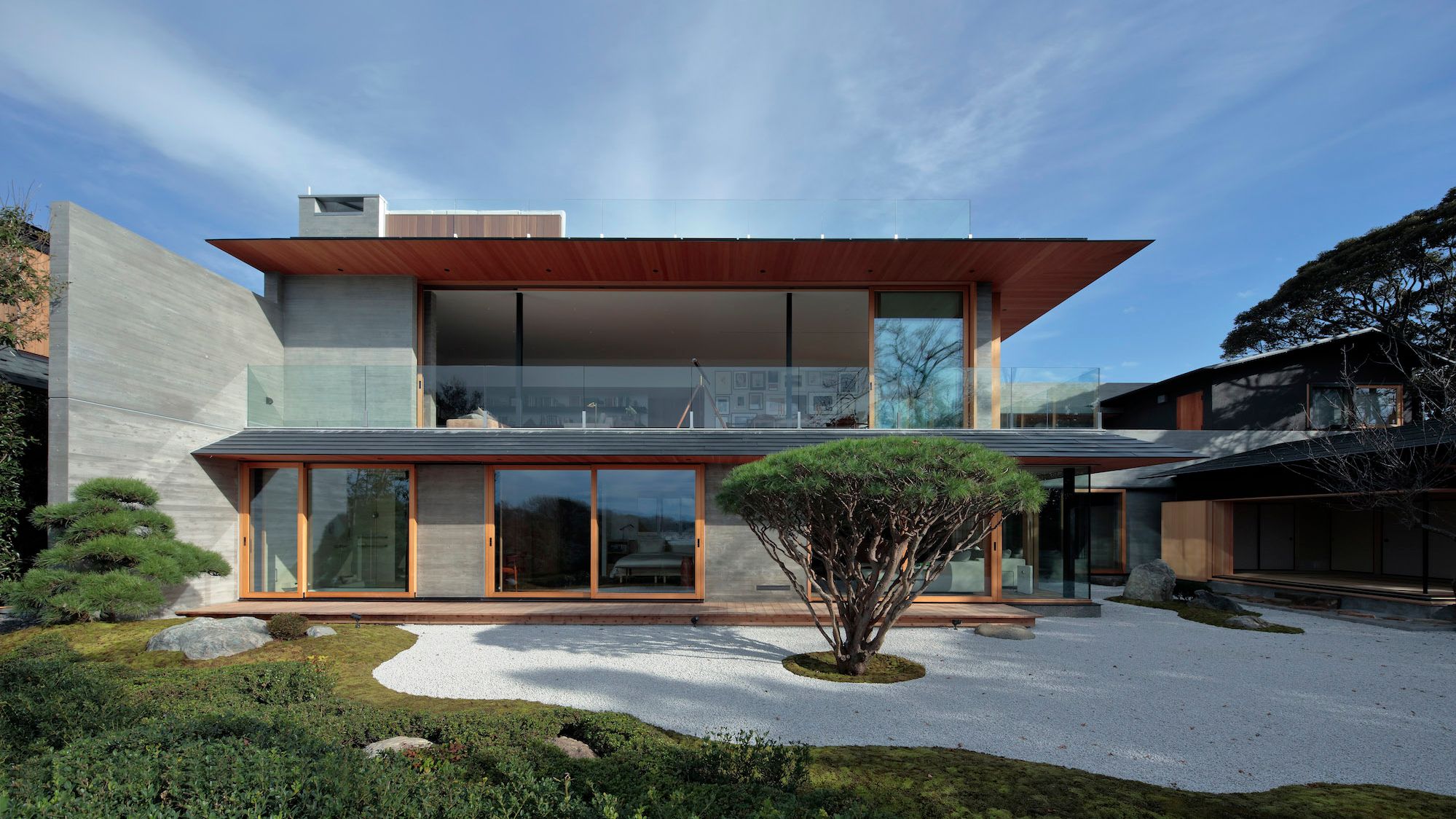
The Core Principles: Less is More
Japanese minimalist design centers on Ma, often translated as "empty space’ or ‘pause." This concept creates openness and allows elements to breathe, fundamental to the calm and serenity these mansions evoke.
Natural light is crucial. Large windows and skylights flood interiors with sunlight, blurring indoor-outdoor boundaries. This emphasis connects to a belief in the sun's restorative power.
Materials are chosen for natural beauty and texture. Wood, bamboo, and washi paper are favored for warmth and graceful aging. Clutter is minimized for visual appeal and as a reflection of a philosophy valuing simplicity and mindfulness. Possessions are curated, not accumulated.
Materiality: Wood, Stone, and Tech
Materials are selected for tactile qualities and connection to nature. Hinoki and cedar are popular woods, prized for fragrance, durability, and decay resistance. Natural stone, often local, is used for flooring, walls, and landscaping, adding grounding and permanence.
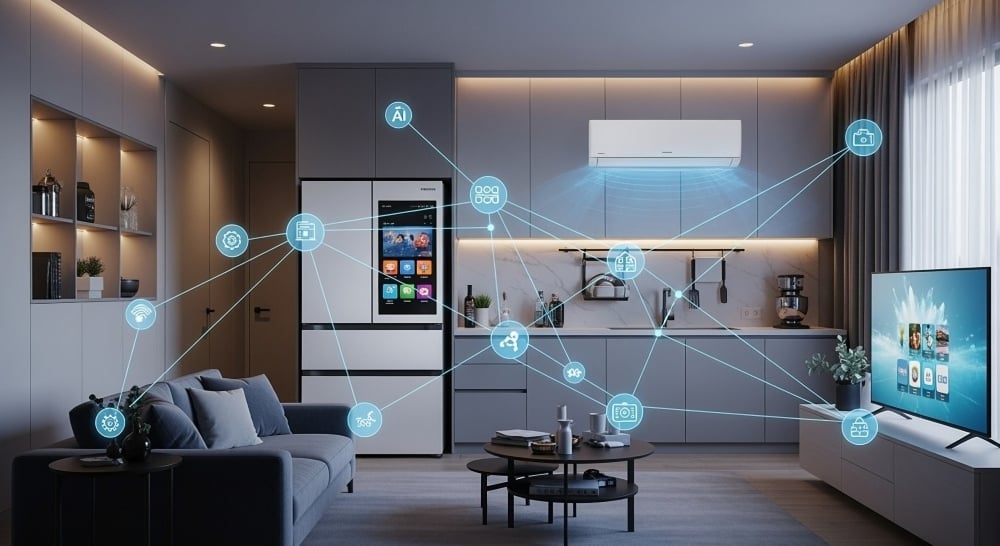
These natural elements integrate seamlessly with cutting-edge technology. Smart home systems control lighting, temperature, security, and entertainment. Automated features, like motorized screens and retractable roofs, enhance convenience and create a fluid living experience.
Sustainable building practices are increasingly important. Many mansions incorporate energy-efficient systems, solar panels, and rainwater harvesting, aiming for homes that are beautiful, comfortable, and environmentally responsible. Maintaining these materials requires a mindful approach, but their longevity and beauty make the effort worthwhile.
Balancing natural materials with durability in Japan's humid climate is a challenge. Architects explore new techniques to ensure materials age gracefully and withstand the elements.
Inside a $10 Million Mountain Estate
While detailed access to specific mansions is limited, sources like the Tokyo Portfolio YouTube channel offer glimpses into high-end Japanese real estate. A $10 million mountain estate exemplifies these principles, located in a secluded area prioritizing privacy and nature connection.
Layouts emphasize open-plan living spaces with large windows framing panoramic views. Bedrooms are serene sanctuaries, often with minimalist furnishings and tatami mat flooring. High-end properties include amenities like private onsen (hot springs), meditation rooms, and home theaters.
The atmosphere is one of understated elegance and tranquility. Natural materials, soft lighting, and a muted color palette create a soothing environment. Technology is seamlessly integrated, not a focal point. The home is designed for relaxation, contemplation, and connection with nature.
JamesEdition listings show properties at this price point often include extensive, meticulously landscaped gardens for harmony and balance. Security features are paramount, with advanced surveillance and gated access. These estates are private retreats for a discerning lifestyle.
- Private onsen (hot springs)
- Meditation rooms
- State-of-the-art home theaters
- Extensive, meticulously landscaped gardens
- Advanced security systems
Common Features
- Onsen (Hot Spring Baths) - Often integrated directly into the mansion, these traditional Japanese hot spring baths offer a luxurious and restorative experience. Modern mansions frequently feature both indoor and outdoor onsen, utilizing natural hot springs where possible or expertly recreating the experience with advanced filtration and heating systems.
- Tatami Rooms - These rooms, defined by their woven straw flooring, provide a serene and traditionally Japanese space for relaxation and contemplation. While often used for tea ceremonies or as guest rooms, modern mansions integrate tatami rooms as a contrasting element to the sleek, minimalist design of the rest of the home.
- Shoji Screens - These translucent paper screens, set in wooden frames, are a hallmark of Japanese architecture, offering privacy while diffusing natural light. In contemporary mansions, shoji screens are often used as movable partitions, creating flexible living spaces and maintaining a connection to the outdoors.
- Minimalist Gardens - Inspired by Zen gardens, these outdoor spaces emphasize simplicity, natural materials, and carefully curated landscapes. Rock arrangements, moss gardens, and precisely pruned trees create a tranquil atmosphere designed to promote mindfulness and a connection with nature.
- Automated Control Systems - Modern Japanese mansions frequently incorporate sophisticated home automation systems controlling lighting, temperature, security, and entertainment. These systems prioritize subtle integration and ease of use, often managed through centralized control panels or mobile applications.
- High-End Audio Systems - Discerning homeowners invest in premium audio systems, often featuring brands like Bowers & Wilkins or Bang & Olufsen, to create immersive soundscapes throughout the property. These systems are often discreetly integrated into the architecture, prioritizing acoustic quality and aesthetic minimalism.
- Curated Art Collections - Many ultra-modern Japanese mansions showcase significant collections of both traditional and contemporary art. Pieces often include calligraphy, ceramics, and paintings by established Japanese artists, as well as works by international creators, reflecting the owner’s personal taste and cultural appreciation.
Blending Tradition: Modern Takes on Ancient Forms
Modern mansions reinterpret Japanese architectural traditions in a contemporary context. Shoji screens, traditionally room dividers, are incorporated for privacy and diffused light. Tatami mats, woven from rush grass, add warmth and texture to bedrooms and living areas.
Engawa (verandas), covered walkways connecting the interior to the garden, are frequently included for relaxation and contemplation. Interior gardens with carefully arranged rocks, plants, and water features bring nature indoors.
Architects experiment with integrating traditional elements into modern designs. For example, shoji screens might use translucent materials like glass or acrylic for a contemporary aesthetic, and tatami mats might combine with heated floors for comfort. This balances respecting the past with embracing the future.
Whether architects consciously try to 'preserve' tradition or simply draw inspiration is unclear. It feels more like a natural evolution—a reinterpretation of familiar forms in a new context, resulting in a style that is both distinctly Japanese and thoroughly modern.
The Rise of the 'Wellness Home'
The minimalist aesthetic of these mansions suits the growing 'wellness home' trend. Emphasis on calm, simplicity, and nature creates an environment conducive to relaxation and well-being. Features like private onsen, meditation rooms, and yoga studios are increasingly common.
Intentional clutter reduction is a key component of the wellness home. Minimizing visual distractions promotes peace and clarity. Natural materials like wood and bamboo are believed to have calming properties, enhancing well-being.
This trend likely responds to modern life's stresses. In a fast-paced world, people seek sanctuaries to disconnect, reconnect, and recharge. The Japanese minimalist mansion offers a refuge from everyday chaos.
The Japanese approach to wellness feels particularly holistic. It prioritizes balance, mindfulness, and connection to nature, rather than just adding amenities.
Finding Your Piece of Zen: Current Listings
JamesEdition features luxury homes in Japan exemplifying the ultra-modern minimalist aesthetic. Properties in areas like Karuizawa and Hakone, known for natural beauty, are popular. Prices range from around $2 million for secluded properties to over $10 million for sprawling estates.
undefined elements like engawa and interior gardens, while others embrace a more contemporary design. It's a diverse market, with something to suit a range of tastes and budgets.
One example is a modern villa in Karuizawa, priced around $3.5 million, featuring floor-to-ceiling windows, a minimalist interior, and a private garden. Another is a luxury estate in Hakone, listed for $8 million, with an onsen, a meditation room, and panoramic views of Mount Fuji. These properties offer a glimpse into the lifestyle that awaits those seeking a piece of zen in Japan.
It’s important to note that the availability of properties can change quickly. The market for luxury homes in Japan is competitive, so it’s essential to work with a knowledgeable real estate agent who can help you navigate the process.
No comments yet. Be the first to share your thoughts!