

The Rise of Climate-Conscious Mansions
There's a noticeable shift happening in the world of ultra-luxury real estate. Buyers aren’t simply seeking grandeur and space anymore; they’re actively prioritizing sustainability. This isn't a fleeting trend, but a fundamental change driven by growing awareness of climate change and a desire to invest in properties that will retain – and even increase – their value in the face of environmental challenges.
This demand is accelerating for several reasons. Beyond personal ethics, there are potential long-term cost savings associated with energy efficiency and responsible resource management. More importantly, these homes are being viewed as future-proof investments. As climate risks increase, properties designed for resilience will naturally become more desirable. We're seeing a move away from 'greenwashing' – superficial efforts to appear sustainable – toward genuinely integrated environmental considerations.
The dynamics of the ultra-prime real estate market further amplify this trend. As noted by Mega Mansions on Instagram, these homes often sit in locations where land supply is permanently constrained, and demand is global. This means that factors beyond basic location and size – like sustainability – become increasingly important differentiators. Buyers are willing to pay a premium for a property that aligns with their values and offers long-term security.
Beyond Solar Panels: Core Resilience Strategies
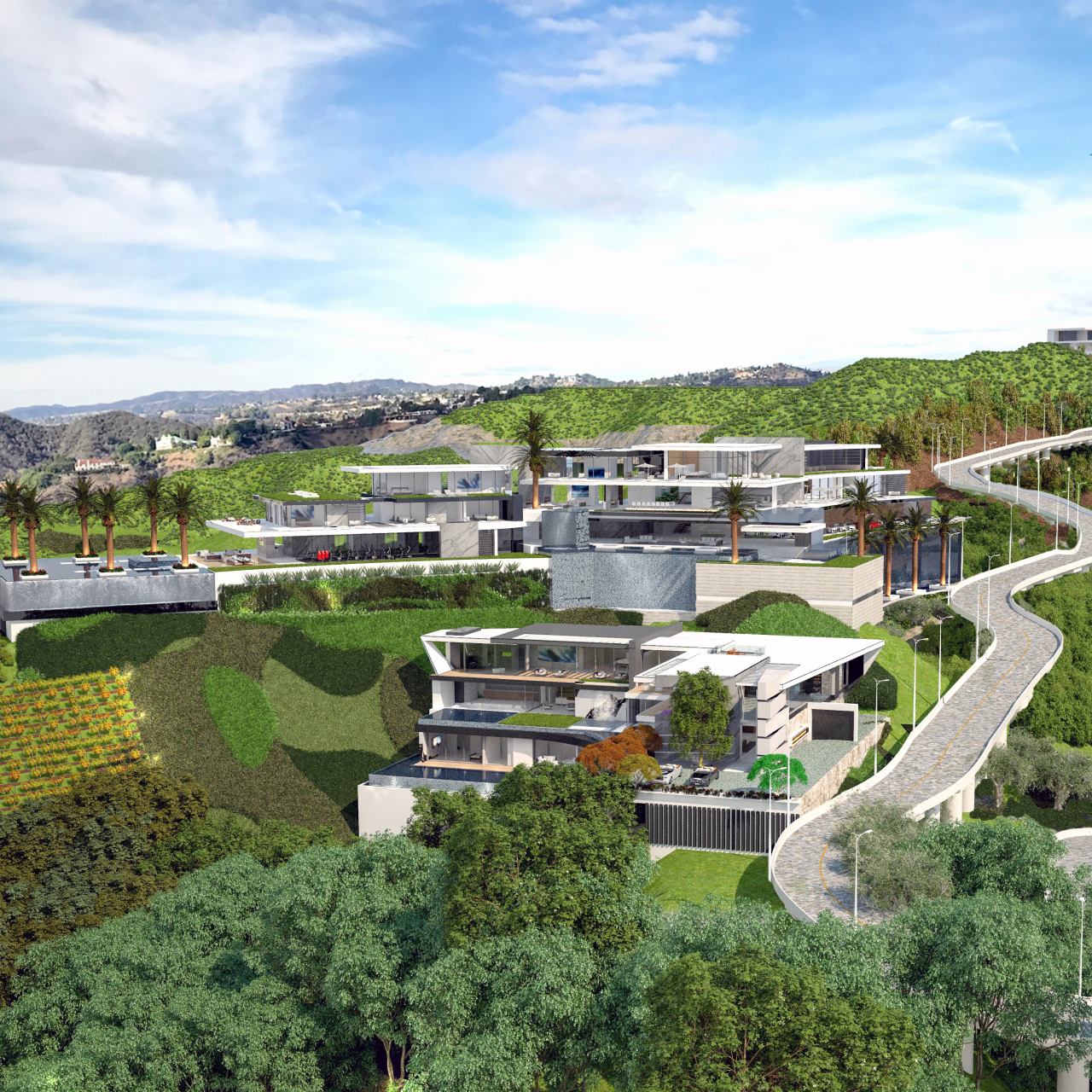
While solar panels and energy-efficient appliances are certainly part of the equation, true climate resilience goes far beyond these surface-level features. It requires a holistic approach to design and construction, focusing on fundamental strategies for minimizing environmental impact and withstanding extreme weather events.
Water management is paramount. This includes incorporating rainwater harvesting systems, greywater recycling for irrigation, and drought-resistant landscaping. Passive heating and cooling design – utilizing natural ventilation, shading, and thermal mass – can significantly reduce reliance on mechanical systems. The selection of building materials is also crucial, favoring those with low embodied carbon and minimal environmental impact.
Designing for extreme weather events is no longer optional. Mansions in coastal areas need to be elevated and reinforced to withstand storm surges and flooding. Those in wildfire-prone regions require fire-resistant materials and defensible space. I believe this isn't about sacrificing luxury, but about intelligent design that prioritizes both comfort and security. It’s about building homes that can gracefully endure whatever the future holds.
Material Matters: The New Palette of Luxury
The materials used in construction have a significant impact on a home’s environmental footprint. Fortunately, there’s a growing range of innovative and sustainable options available for high-end projects. Reclaimed wood, for example, offers a unique aesthetic and reduces the demand for newly harvested timber. Bamboo is a rapidly renewable resource with excellent strength and durability.
More experimental materials are also gaining traction. Mycelium bricks – grown from mushroom roots – offer excellent insulation and are completely biodegradable. Low-carbon concrete, made with recycled aggregates and alternative cementitious materials, significantly reduces the embodied carbon of foundations and structural elements. These aren’t compromises on quality; they are deliberate design choices.
Beyond reducing environmental impact, some of these materials can actively improve indoor air quality. Natural plasters and paints, for instance, are free of volatile organic compounds (VOCs) that can contribute to health problems. The aesthetic appeal of these materials is also noteworthy. They can add texture, warmth, and character to a home, creating a more inviting and sophisticated atmosphere.
Case Study: The Schotts Mansion – A Sustainable Showcase
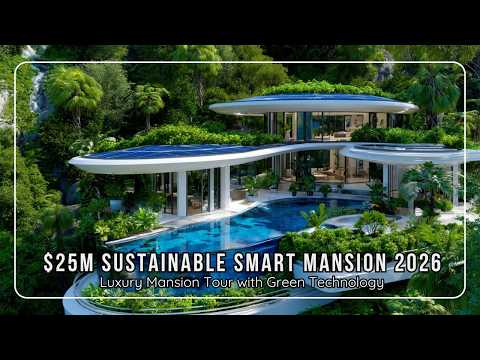
The $7.98M sustainable mansion in Los Angeles, recently featured on YouTube by Sierra Schotts, provides a compelling example of how luxury and environmental responsibility can coexist. The home is a testament to thoughtful design and a commitment to minimizing its ecological footprint.
Key features include a comprehensive solar panel system designed to offset a significant portion of the home’s energy consumption. A sophisticated water recycling system captures and reuses greywater for irrigation, reducing water usage. Smart home technology manages lighting, temperature, and appliances, optimizing energy efficiency. The choice of building materials – including sustainably sourced wood and low-VOC finishes – further reduces the home’s environmental impact.
The design also incorporates passive heating and cooling strategies, maximizing natural ventilation and minimizing the need for air conditioning. The landscaping features drought-resistant plants, reducing water consumption and maintenance. While the exact return on investment for all these features isn't publicly available, the qualitative benefits – reduced environmental impact, lower utility bills, and a healthier living environment – are substantial.
What's particularly impressive is how these sustainable features are seamlessly integrated into the overall design aesthetic. This isn't a home that feels like a sacrifice; it feels like a luxurious and comfortable space that happens to be environmentally responsible. It demonstrates that sustainable design isn't about compromising on style or comfort, but about elevating both.
Smart Home Tech: Optimizing for Efficiency
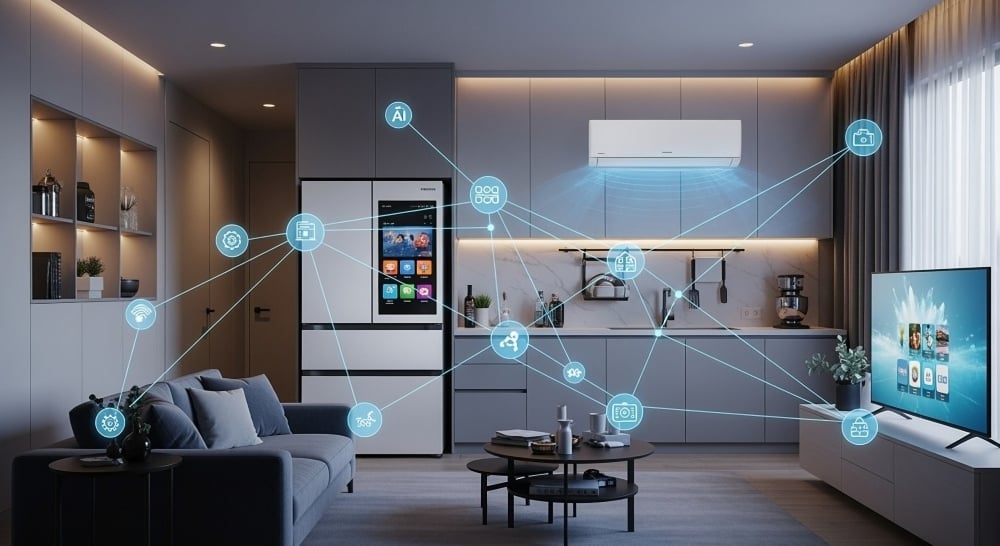
Smart home technology plays a crucial role in optimizing energy and water consumption in modern mega mansions. Automated lighting systems adjust brightness based on occupancy and daylight levels, reducing energy waste. Smart thermostats learn occupants’ preferences and adjust temperatures accordingly, maximizing comfort and minimizing energy usage.
Leak detection systems can identify and alert homeowners to water leaks, preventing costly damage and conserving water. Energy monitoring dashboards provide real-time data on energy consumption, allowing homeowners to identify areas for improvement. The integration of these technologies isn't just about convenience; it's about responsible resource management.
Artificial intelligence is also starting to play a role, with systems that can predict energy needs based on weather patterns and occupancy schedules. These systems can proactively adjust settings to optimize energy efficiency and reduce costs. It’s about creating a home that adapts to your needs while minimizing its environmental impact.
Location, Location, Resilience
The location of a mega mansion is arguably the most critical factor in determining its climate resilience. Factors like elevation, proximity to water sources, and exposure to extreme weather events all have a significant impact on the design and construction of the home.
There's a growing trend of building in less vulnerable areas – away from coastlines and floodplains, and in regions with more stable climates. However, this isn't always feasible, and many homeowners are choosing to retrofit existing properties to improve their resilience. This can involve elevating foundations, reinforcing structures, and implementing flood protection measures.
As Mega Mansions on Instagram points out, land supply in desirable locations is permanently constrained, and demand is global. This means that even in vulnerable areas, the value of well-designed, climate-resilient properties will likely remain high. The challenge lies in balancing the desire for prime locations with the need for long-term sustainability.
The Cost of Going Green: Is it Worth It?
Building a sustainable mega mansion inevitably comes with a higher upfront cost than conventional construction. Sustainable materials and technologies often carry a premium price tag. However, it's important to consider the long-term benefits and potential savings.
While the initial investment may be higher, homeowners can expect to save money on energy and water bills over the life of the home. Sustainable materials often require less maintenance, reducing long-term costs. Furthermore, a sustainable home is likely to have a higher resale value than a comparable conventional property.
I believe framing this as future-proofing is essential. Investing in sustainability isn't just about being environmentally responsible; it's about protecting your investment and ensuring that your home remains valuable and habitable for generations to come. It’s about building a legacy, not just a house.
Sustainable Building Approaches for Mega Mansions: A Comparative Analysis
| Approach | Upfront Cost | Long-Term Savings | Environmental Impact | Aesthetic Considerations |
|---|---|---|---|---|
| Passive Solar Design | Medium | High | High | Medium - can be integrated seamlessly, but requires careful architectural planning |
| Rainwater Harvesting | Medium | Medium | High | Low - systems can be largely concealed |
| Geothermal Heating & Cooling | High | High | Very High | Low - minimal visible impact, primarily underground infrastructure |
| Greywater Recycling | Medium | Medium | High | Low - requires plumbing adjustments, generally unseen |
| High-Performance Insulation (e.g., SIPs) | Medium | High | Medium | Low - impact largely within wall cavities |
| Green Roofs | High | Medium | High | Medium - visible aesthetic feature, can enhance landscaping |
| Solar Panel Integration | Medium | High | Very High | Medium - aesthetic impact varies depending on panel type and integration method |
Illustrative comparison based on the article research brief. Verify current pricing, limits, and product details in the official docs before relying on it.
Future Trends: What's Next for Sustainable Luxury?
The future of sustainable mega mansion design is brimming with innovation. Emerging technologies like carbon capture systems – which remove carbon dioxide from the atmosphere – could become integrated into building designs. Vertical farming systems could provide fresh produce on-site, reducing transportation costs and environmental impact.
Self-healing materials – which can automatically repair cracks and damage – could extend the lifespan of buildings and reduce maintenance costs. The ultimate goal is to create net-zero energy homes that generate as much energy as they consume, and closed-loop systems that minimize waste and maximize resource efficiency.
Government regulations and incentives will play a crucial role in driving the adoption of sustainable building practices. As awareness of climate change grows, we can expect to see more stringent building codes and financial incentives for sustainable construction. The future of luxury is undeniably green, and those who embrace this trend will be well-positioned to thrive in a changing world.
No comments yet. Be the first to share your thoughts!