

Japan's Modern Castle Estates
Japan's luxury real estate market is seeing a rise in neo-traditional mega mansions. These homes blend centuries-old design principles with cutting-edge technology, connecting with cultural heritage while embracing a modern lifestyle.
The core idea reinterprets traditional Japanese aesthetics—clean lines, natural materials, and a connection to the environment—using contemporary building techniques. The goal is to create something new that feels deeply rooted in Japanese culture, a subtle approach far from ostentatious displays of wealth.
This design philosophy appeals to those who appreciate understated elegance and tranquility, reacting against globalized modern architecture with a desire for something uniquely Japanese. The style's popularity reflects a cultural movement valuing craftsmanship, mindfulness, and nature.
These homes are sanctuaries, offering a respite from modern life. They celebrate Japanese identity and represent a significant investment.
Karuizawa: The Epicenter of Mountain Luxury
Karuizawa embodies this trend. The Tokyo Portfolio video from September 28, 2025, offers a glimpse into the luxury lifestyle in this mountain resort town, showing how Japan’s wealthiest spend their summers. Karuizawa, in Nagano Prefecture, has long been a favored escape for Tokyo’s elite and a magnet for neo-traditional mega mansions.
Karuizawa's appeal is multifaceted. Its cooler climate offers relief from Tokyo’s summer heat. The short travel time from the capital, accessible by bullet train, makes it ideal for getaways. Karuizawa also has a reputation for exclusivity and refined living.
Properties in Karuizawa command a premium. The video highlights a mansion listed at ¥1,450,000,000 (roughly $10 million USD, as of late 2025). This is indicative of the price range for substantial properties in the area, with homes often in the multi-million dollar range and featuring expansive grounds.
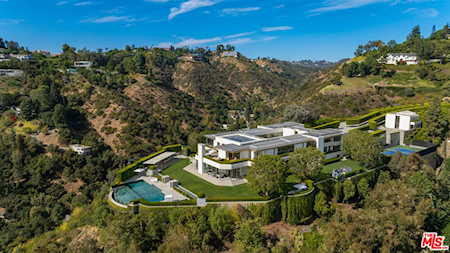
These estates are also notable for their size. Many properties have large land parcels, allowing for extensive gardens, private forests, and ample space between homes. This privacy and seclusion draw buyers seeking a tranquil retreat, a world away from Tokyo's dense urban landscape.
Traditional Elements, Reimagined
These mega mansions integrate traditional Japanese architectural elements thoughtfully into a modern framework. Shoji screens diffuse light and create calm. Tatami mats, traditionally woven rush, are found in tea rooms or meditation spaces, sometimes with modern underfloor heating.
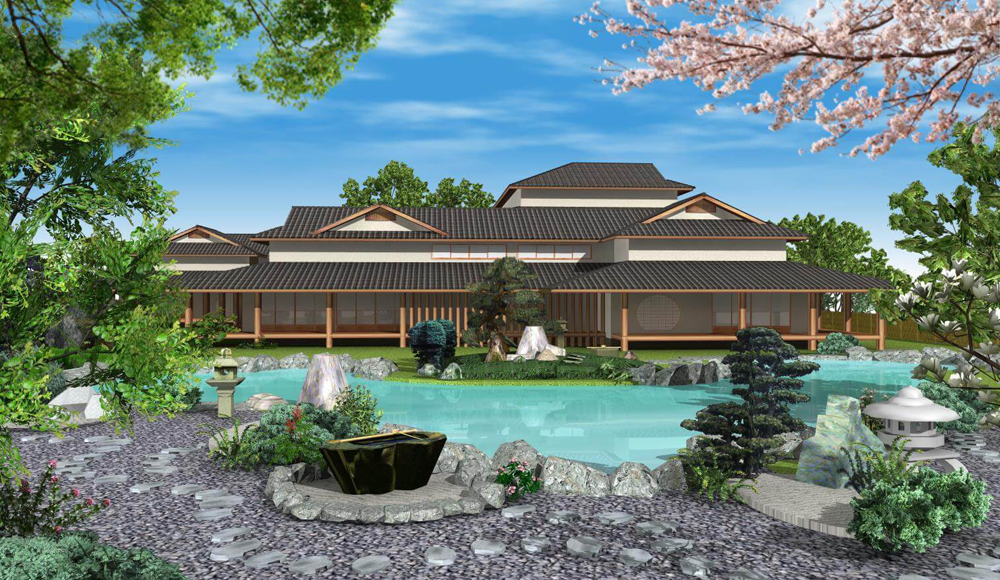
The engawa, or veranda, wraps around the house, providing a transition between indoor and outdoor spaces. These verandas are designed for year-round enjoyment, offering a sheltered spot to appreciate the surrounding landscape and meticulously designed Japanese gardens with rocks, moss, and pruned trees.
Koi ponds, symbolizing good fortune and longevity, are common. Modern mansions integrate them into minimalist garden designs with features like waterfalls or underwater lighting. Traditional roof styles with gently curving eaves are also employed, often with modern, durable materials.
These elements are reinterpreted: a traditional Japanese garden might be scaled up to several acres, or a shoji screen made from translucent acrylic. The goal is a living space that is both beautiful and functional, a delicate balance achieved with grace.
Natural light is paramount. Large windows and skylights maximize sunlight, while shoji screens and fusuma allow for flexible space planning and light control. This emphasis on natural light is a hallmark of traditional Japanese architecture and a central tenet of neo-traditional design.
- Shoji Screens: Diffuse light and create a calming atmosphere.
- Tatami Mats: Woven rush flooring, often with underfloor heating.
- Engawa (Verandas): Seamless transition between indoor and outdoor spaces.
- Koi Ponds: Symbolize good fortune and longevity.
- Japanese Gardens: Meticulously designed landscapes with rocks, moss, and trees.
Ultra-Modern Tech & Amenities
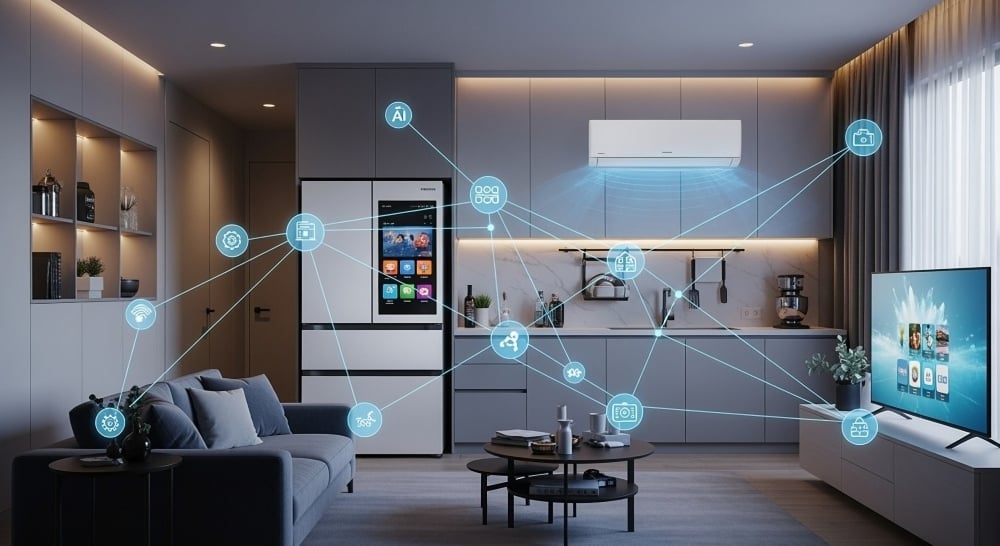
These mega mansions are equipped with ultra-modern technology and amenities. Smart home integration is standard, controlling lighting, security, climate, and entertainment systems for convenience and comfort.
Home theaters, gyms, and indoor swimming pools are common. Many properties also include wine cellars, private spas, and entertaining spaces, creating a self-contained environment for a luxurious lifestyle.
Technology is integrated into the design respecting Japanese aesthetics, with concealed or seamlessly integrated features. Speakers might be hidden behind shoji screens, or lighting controls subtly incorporated into walls.
Technology enhances natural light. Smart windows adjust tint for glare and heat control, while automated shades provide privacy and energy efficiency. The goal is a harmonious balance between technology and nature, enhancing the living experience without disrupting tranquility.
Security is a top priority. These properties are equipped with advanced systems, including surveillance cameras, motion sensors, and access control. Security measures are often designed to be discreet and unobtrusive.
Material Choices: Bridging Old and New
Material selection is crucial for the harmonious aesthetic of these mega mansions. Traditional materials like wood (cedar and cypress) are used for beauty and durability. Paper is used in shoji screens and decorative elements.
These materials are combined with modern ones like steel, glass, and concrete. Steel provides structural support, glass allows for large windows and views, and concrete is used for foundations and structural elements.
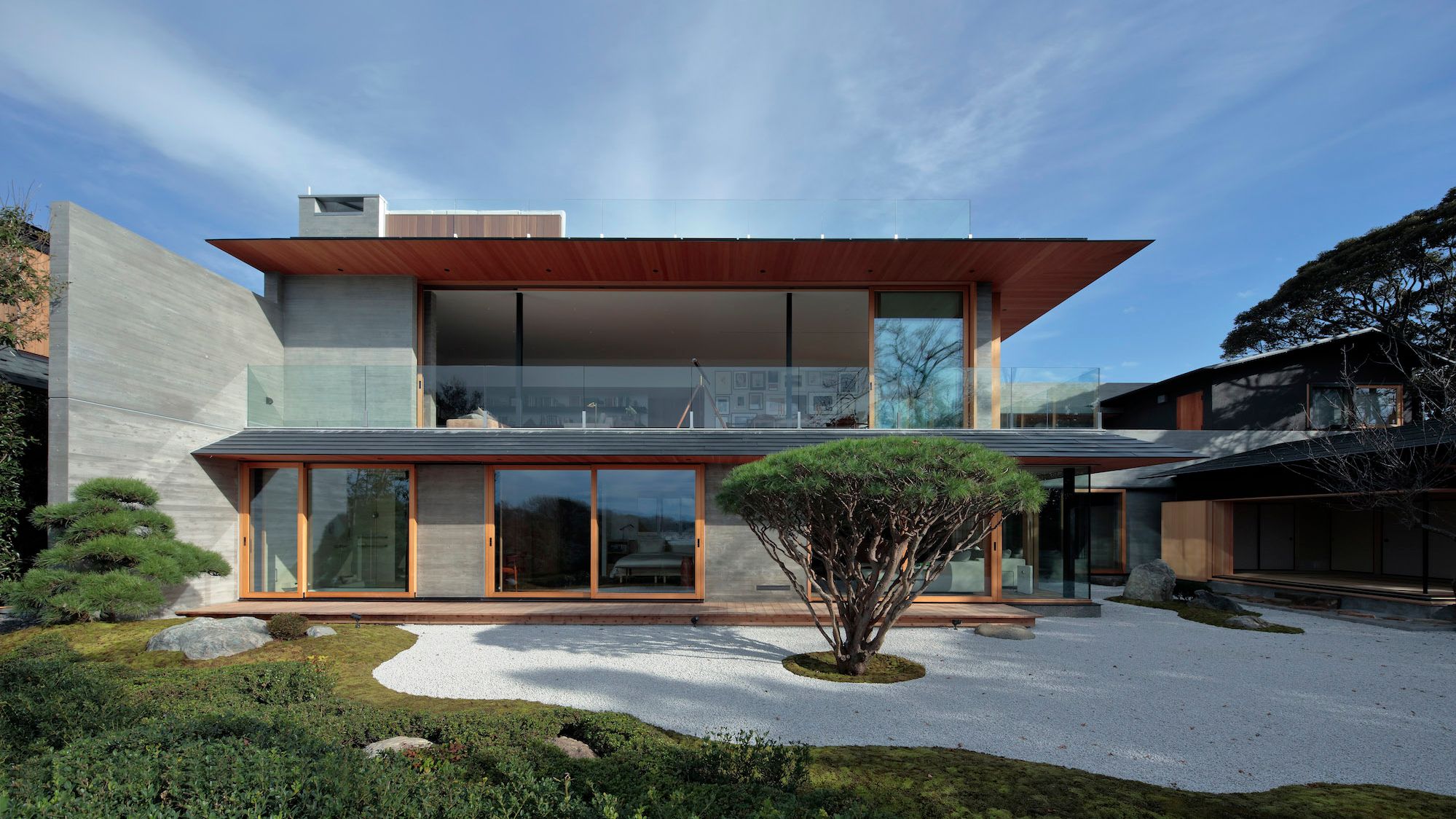
Combining these materials is key. A concrete wall might be clad in cedar wood for contrast, or a glass facade framed by a traditional wooden structure. The goal is balance and harmony.
undefined choices, ensuring that the materials used are not only aesthetically pleasing but also culturally meaningful.
Sustainability is also becoming increasingly important. Many architects are using locally sourced materials and incorporating energy-efficient designs to minimize the environmental impact of these homes. This reflects a growing awareness of environmental issues and a desire to create homes that are both luxurious and responsible.
JamesEdition Listings: A Price Snapshot
A quick look at JamesEdition.com reveals a diverse range of properties available in Japan, showcasing the breadth of the neo-traditional mega mansion market. While specific properties change frequently, the platform consistently features homes spanning a wide spectrum of prices, sizes, and locations.
Generally, listings span from approximately $3 million to upwards of $20 million, though exceptional properties can exceed even that upper range. Property sizes vary considerably, ranging from expansive estates with multiple buildings to more modestly sized, but still luxurious, homes.
Regional variations are apparent. Properties in areas like Karuizawa and Hakone (another mountain resort town) tend to command higher prices due to their proximity to Tokyo and their established reputations for exclusivity. Coastal properties, as seen in the Tokyo Portfolio video from December 21, 2025, also hold significant value.
The JamesEdition data suggests a healthy demand for these types of properties, particularly among high-net-worth individuals seeking a unique and culturally rich living experience. The availability of properties varies, but there's a consistent stream of new listings, indicating an active market.
Japan's Neo-Traditional Mega Mansions: A Comparative Overview
| Location | Size (Approx. Sq Ft) | Price Range (Yen) | Traditional Elements | Modern Amenities |
|---|---|---|---|---|
| Karuizawa, Nagano | 6,000 - 10,000 | ¥800,000,000 - ¥1,450,000,000 | High (Shoji screens, Japanese gardens, wood construction) | Medium (Smart home features, modern kitchen, heated floors) |
| Hakone, Kanagawa | 5,000 - 8,000 | ¥700,000,000 - ¥1,200,000,000 | Medium (Engawa verandas, tatami rooms, natural materials) | High (Infinity pools, home theaters, advanced security systems) |
| Zushi, Kanagawa | 4,000 - 7,000 | ¥600,000,000 - ¥1,000,000,000 | Medium (Minimalist gardens, incorporation of natural light, traditional rooflines) | High (Fully integrated smart home systems, designer kitchens, spa facilities) |
| Nikko, Tochigi | 7,000 - 12,000 | ¥900,000,000 - ¥1,600,000,000 | High (Extensive landscaping, tea rooms, traditional gatehouses) | Medium (Home automation, modern bathrooms, entertainment spaces) |
| Kiyosu, Aichi | 5,500 - 9,000 | ¥750,000,000 - ¥1,300,000,000 | Medium (Use of wood and paper, interior courtyards, subtle ornamentation) | Medium (Automated lighting, high-end appliances, outdoor living areas) |
Illustrative comparison based on the article research brief. Verify current pricing, limits, and product details in the official docs before relying on it.
The Appeal to International Buyers
Interest in Japanese neo-traditional mega mansions is steadily increasing among international buyers. The unique design aesthetic is a major draw – it’s something distinctly different from the luxury properties found in most other parts of the world. The cultural experience is also a significant factor. Many buyers are attracted to the idea of living in a home that embodies Japanese values and traditions.
Investment potential is another key consideration. Japan’s real estate market has been relatively stable in recent years, and these properties are seen as a safe and potentially lucrative investment. The increasing demand from international buyers is likely to drive up prices over time.
However, international buyers do face certain challenges when purchasing property in Japan. The language barrier can be a significant hurdle, and the legal and regulatory framework can be complex. It’s essential to work with a reputable real estate agent and legal counsel who are familiar with the Japanese market.
Financing can also be challenging. Japanese banks typically require a substantial down payment from foreign buyers, and obtaining a mortgage can be a lengthy and complicated process. Understanding these hurdles is crucial for a smooth transaction. Despite these challenges, the allure of owning a piece of Japanese luxury remains strong.
Future Trends: What's Next for Neo-Traditional Design?
The future of neo-traditional design in Japan looks promising. I anticipate continued growth in popularity, driven by both domestic and international demand. However, the style will likely evolve over time, incorporating new technologies and design trends.
Sustainability will almost certainly become a more important factor. As awareness of environmental issues grows, architects will be under increasing pressure to design homes that are energy-efficient and environmentally responsible. This could lead to the use of more sustainable materials and the integration of renewable energy sources.
The aging Japanese population presents both a challenge and an opportunity. As the population ages, there may be less demand for large, sprawling estates. However, there could be increased demand for smaller, more manageable homes that are designed to accommodate the needs of elderly residents. Universal design principles – making homes accessible to people of all ages and abilities – will likely become more prevalent.
I expect to see further experimentation with materials and techniques, as architects continue to push the boundaries of what’s possible. The integration of smart home technology will become even more seamless and intuitive. Ultimately, the goal will be to create homes that are not only beautiful and functional but also deeply connected to the Japanese landscape and culture.
No comments yet. Be the first to share your thoughts!