

The rise of the nine-figure Tokyo residence
Tokyo is now home to a real estate tier that didn't exist here a decade ago. We are seeing single-family residences in areas like Minato and Azabudai hit the $100 million mark. This shift is driven by a mix of local wealth and international buyers looking for stability in the yen, but the real draw is the privacy these vertical estates offer in the middle of the world's most crowded city.
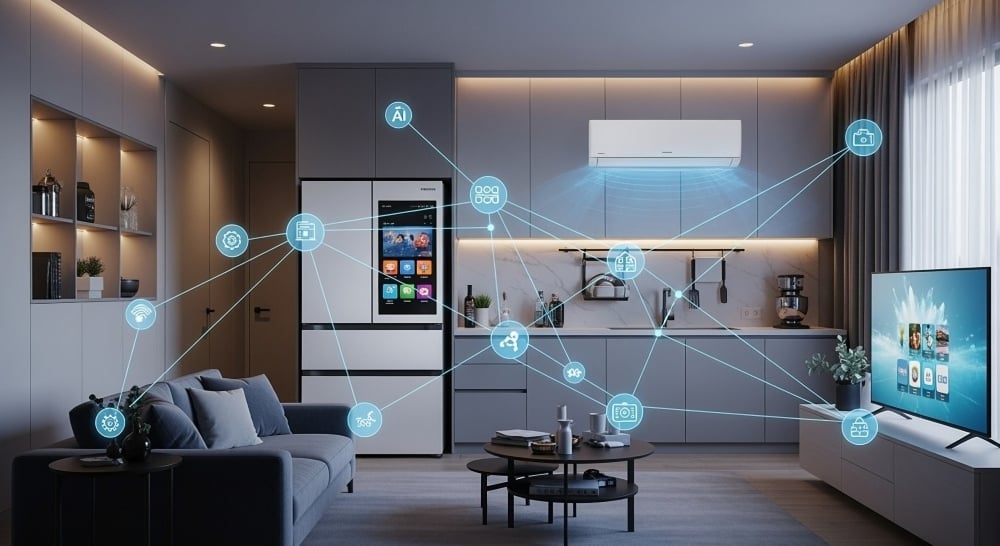
What distinguishes these homes isn't just square footage, but the level of customization and artistry involved. We're seeing a move away from ostentatious displays of wealth towards a more subtle, sophisticated aesthetic. Think meticulously crafted gardens, private art collections, and cutting-edge technology seamlessly integrated into the design. These aren’t just houses; they’re statements.
At the $100 million level, you aren't just buying a house; you're buying a fortress. These properties usually have separate floors for staff and industrial-grade kitchens capable of catering a 50-person event. I've seen designs where the basement levels go four stories deep to accommodate full-sized lap pools and car galleries, bypassing the city's strict height limits while still providing 15,000 square feet of living space.
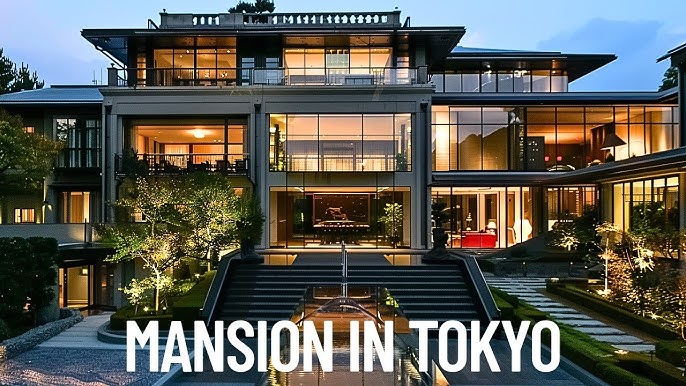
The architects moving away from glass towers
The architects behind these mega-mansions aren’t household names in the West, but they are highly respected within Japan and increasingly gaining international recognition. Names like Tadao Ando, though already established, continues to influence the aesthetic, with his minimalist concrete designs impacting the scene. Newer firms are emerging, often blending traditional Japanese principles with contemporary design trends.
A key distinction lies in contrasting approaches. Some architects, like those favoring a minimalist aesthetic, emphasize clean lines, natural materials, and a sense of spaciousness. They draw heavily from Zen Buddhism and the concept of ma – the intentional use of empty space to create a feeling of tranquility. Others adopt a more ornate style, incorporating intricate woodwork, traditional Japanese motifs, and luxurious finishes.
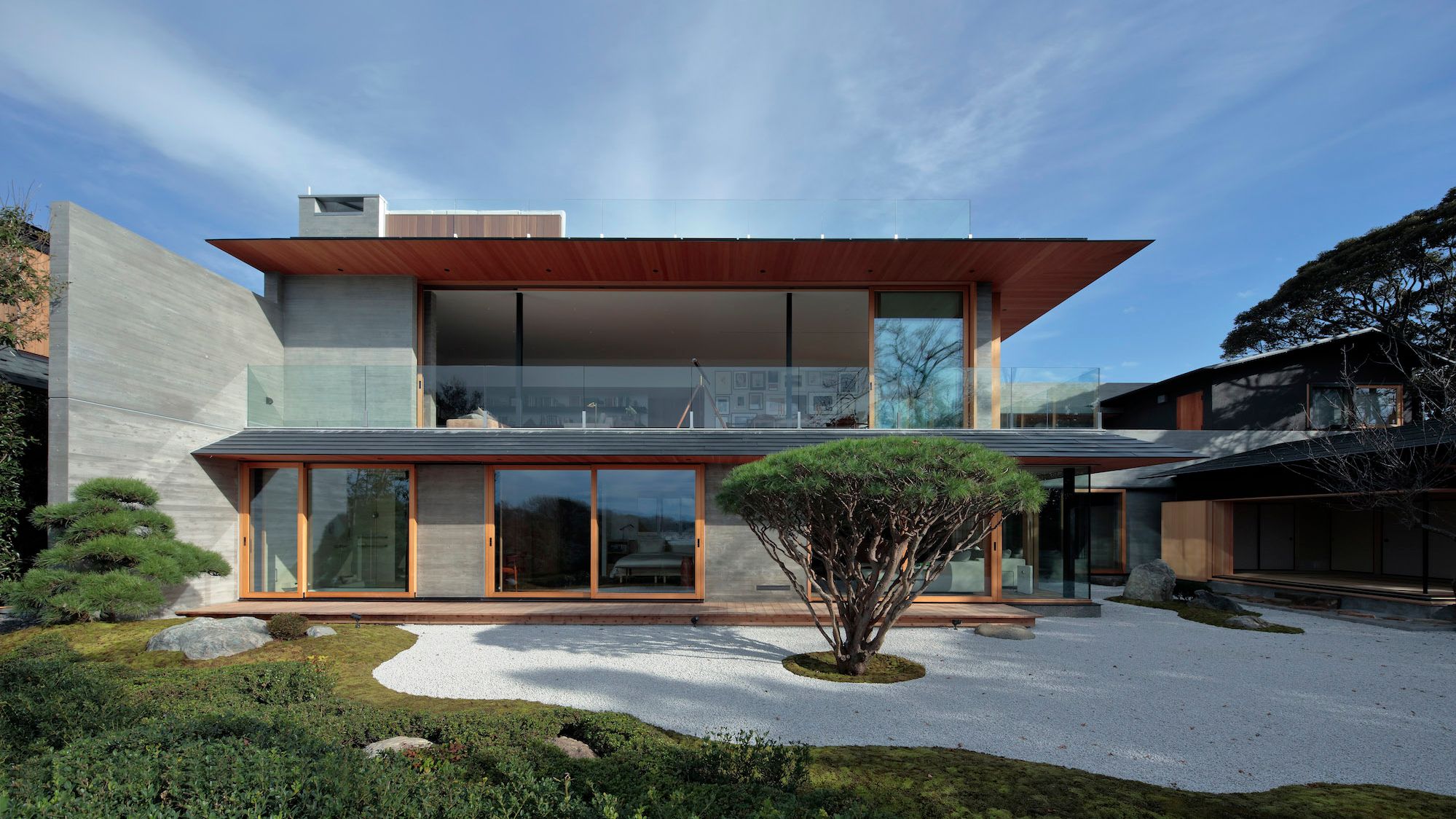
You see a lot of wabi-sabi influence in the material choices—unpolished basalt, charred cedar, and hand-applied plaster that shows the trowel marks. It is a deliberate move away from the glass-and-steel coldness of 90s luxury. These architects are betting that a billionaire will pay more for a wall that looks like it was built 200 years ago than one that looks like a sterile hotel lobby.
Common Mega-Mansion Amenities
- Indoor/Outdoor Pools - Many Karuizawa estates feature both indoor and outdoor swimming pools, often with retractable roofs for year-round use.
- Traditional Japanese Gardens - Reflecting a deep connection to nature, these mansions often incorporate meticulously designed Japanese gardens with koi ponds, stone lanterns, and carefully curated plant life.
- Home Spas - Dedicated wellness spaces are common, including saunas, steam rooms, massage areas, and relaxation lounges.
- Private Gyms - Fully equipped fitness centers cater to health-conscious residents, often including spaces for yoga and personal training.
- Screening Rooms - State-of-the-art home theaters provide immersive entertainment experiences with comfortable seating and advanced audio-visual technology.
- Wine Cellars - Climate-controlled wine cellars are designed to preserve and showcase extensive wine collections, sometimes with tasting rooms.
- Multiple Kitchens - Large estates typically include several kitchens – a main family kitchen, a professional-grade chef’s kitchen, and potentially smaller preparation kitchens.
- Advanced Security Systems - Comprehensive security is paramount, incorporating surveillance cameras, alarm systems, gated entrances, and dedicated security personnel.
Tokyo's Ultra-Modern Mega Mansions (2026)
| Location | Size (Approx. Square Footage) | Bedrooms | Bathrooms | Key Features |
|---|---|---|---|---|
| Shibuya, Tokyo | Approximately 8,000 - 12,000 sq ft | 6-8 | 6-10 | • Integrated smart home technology • Panoramic city views • Private rooftop garden • High-end designer finishes |
| Minato, Tokyo | Approximately 10,000 - 15,000 sq ft | 7-9 | 7-11 | • Traditional Japanese garden elements • State-of-the-art security systems • Indoor swimming pool and spa • Wine cellar and tasting room |
| Karuizawa (Mountain Retreat - Commutable to Tokyo) | Approximately 6,000 - 9,000 sq ft | 5-7 | 5-8 | • Designed for seasonal living (summer/winter) • Natural wood and stone construction • Proximity to golf courses and nature trails • Fireplace and cozy living spaces |
| Roppongi, Tokyo | Approximately 9,000 - 13,000 sq ft | 6-8 | 6-10 | • Concierge services available • Private elevator access • Spacious balconies with city views • Modern, minimalist design aesthetic |
| Shinjuku, Tokyo | Approximately 7,500 - 11,000 sq ft | 5-7 | 5-9 | • Dedicated home theater • Fully-equipped gourmet kitchen • Floor-to-ceiling windows • Private gym and wellness area |
Illustrative comparison based on the article research brief. Verify current pricing, limits, and product details in the official docs before relying on it.
No comments yet. Be the first to share your thoughts!