

Beyond Green: Climate-Resilient Luxury
Luxury real estate has always been about more than just square footage and location. It’s about lifestyle, prestige, and increasingly, security. But the definition of security is shifting. We’re seeing a move beyond basic sustainability—the solar panels and low-flow fixtures that were once considered cutting-edge—to a more fundamental question: how do you protect a multi-million dollar investment from the very real and growing threats of climate change?
This isn’t simply about altruism, though a desire to lessen one’s environmental impact certainly plays a role for some. It’s about recognizing that extreme weather events—wildfires, hurricanes, floods, droughts—are becoming more frequent and more intense, directly impacting property values and insurability. A home built to withstand these challenges isn't just ethically sound, it's a smart financial decision.
The wealthiest individuals are leading this charge, commissioning homes that are not only opulent but also engineered for resilience. They're looking at long-term value, not just immediate aesthetics. This new wave of luxury prioritizes materials that will last, systems that can adapt, and designs that minimize vulnerability. It’s a proactive approach to safeguarding their assets in an uncertain future.
The idea of 'future-proofing' a home is gaining traction. This means anticipating potential climate-related risks and incorporating features that mitigate those risks. It’s a shift in mindset, from building for today to building for the decades to come, acknowledging that the climate of 2026 and beyond will look very different from the climate of the past.
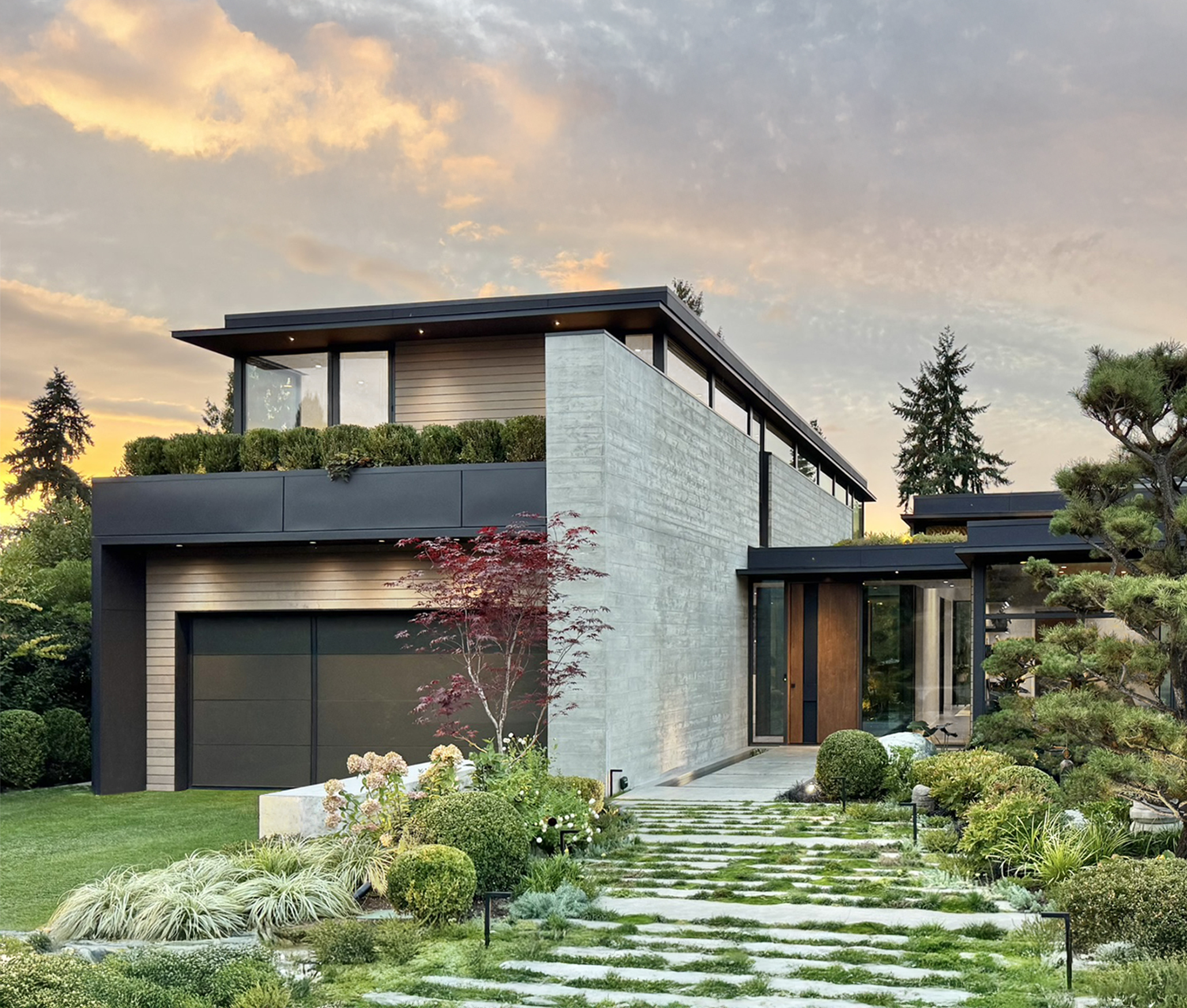
Eight Mega Mansions Leading the Way
Eight mega mansions (over 10,000 sq ft) across the globe exemplify the intersection of luxury and climate resilience, showcasing innovative approaches to long-term security.
The Atherton Estate, California (approx. $75 million): Located in the heart of Silicon Valley, this 16,000 square foot home is designed to withstand both drought and wildfire. It features a comprehensive rainwater harvesting system capable of storing 50,000 gallons, significantly reducing reliance on municipal water. Exterior walls are clad in fire-resistant materials like fiber cement siding and metal roofing, and the landscaping is entirely drought-tolerant, using native California plants. A sophisticated sprinkler system, powered by a backup generator, provides additional fire protection.
The Hamptons Retreat, New York (approx. $60 million): This 12,000 square foot beachfront property is grappling with the realities of sea level rise. It’s built on a raised foundation, elevating the main living areas above projected flood levels. The surrounding land has been restored with native wetlands, acting as a natural buffer against storm surges. The home also incorporates a greywater recycling system and a geothermal heating and cooling system, minimizing its environmental footprint.
The Aspen Mountain Lodge, Colorado (approx. $80 million): Nestled in the Rocky Mountains, this 14,000 square foot lodge is designed to withstand extreme cold and heavy snowfall. It utilizes a highly insulated building envelope and triple-pane windows to minimize heat loss. A geothermal system provides efficient heating, and solar panels on the roof generate a significant portion of the home’s electricity. The design incorporates passive solar heating principles, maximizing sunlight exposure during the winter months.
The Dubai Desert Oasis, UAE (approx. $90 million): Facing the challenges of extreme heat and water scarcity, this 18,000 square foot villa incorporates several innovative cooling strategies. It features a courtyard design that promotes natural ventilation, and the exterior walls are constructed with high thermal mass materials to regulate temperature. A sophisticated water management system recycles greywater for irrigation, and the landscaping features drought-resistant desert plants. The property also boasts a substantial solar array, providing a significant portion of its energy needs.
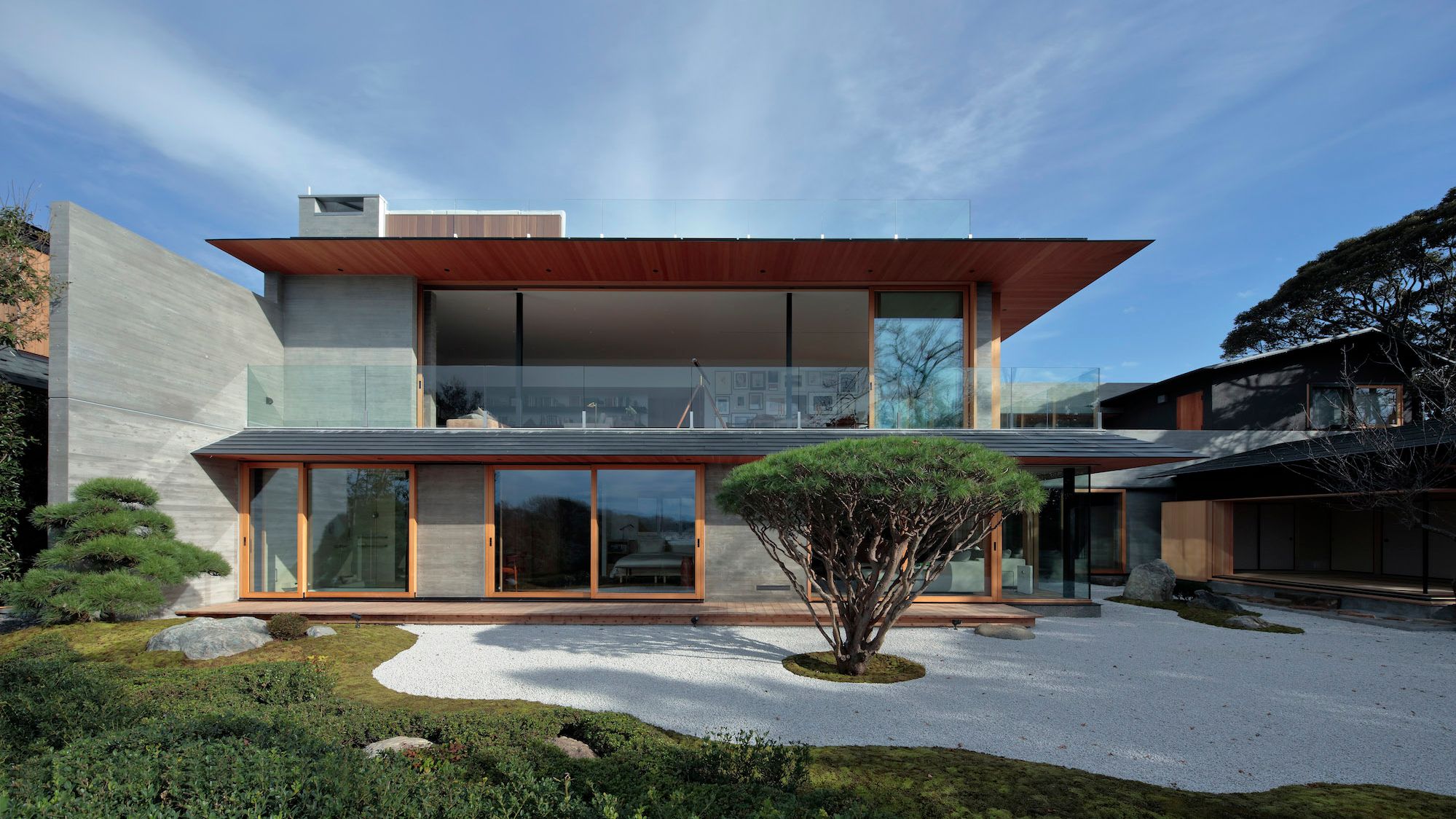
The Kyoto Zen Estate, Japan (approx. $55 million): Inspired by traditional Japanese architecture, this 11,000 square foot home is designed to withstand earthquakes and typhoons. It’s built on a reinforced concrete foundation and incorporates flexible structural elements to absorb seismic energy. The roof is designed to shed heavy snow loads, and the landscaping utilizes native plants that are resilient to strong winds. The home also features a rainwater harvesting system and a highly efficient heating and cooling system.
The Brazilian Rainforest Sanctuary, Brazil (approx. $40 million): This 13,000 square foot retreat is designed to minimize its impact on the surrounding rainforest. It’s built with sustainably sourced timber and incorporates a green roof, providing insulation and reducing stormwater runoff. The home is powered by a combination of solar and hydro energy, and it features a comprehensive water filtration system. The design prioritizes natural ventilation and daylighting, reducing the need for artificial lighting and air conditioning.
The Australian Bushfire Refuge, Australia (approx. $65 million): Located in a bushfire-prone area, this 15,000 square foot home is designed to withstand extreme heat and flames. It’s constructed with fire-resistant materials, including concrete, steel, and metal roofing. The landscaping is carefully managed to create a defensible space around the home, and a sophisticated sprinkler system provides additional fire protection. The home also features a self-sufficient water supply and a backup generator.
The Italian Coastal Villa, Italy (approx. $70 million): Situated on the Mediterranean coast, this 12,000 square foot villa is designed to withstand rising sea levels and storm surges. It’s built on a raised foundation and incorporates a series of breakwaters to protect against wave action. The landscaping features native coastal vegetation, which helps to stabilize the shoreline. The home also features a rainwater harvesting system and a greywater recycling system.
Engineering for Extremes
The mansions highlighted above aren’t simply aesthetically pleasing; they’re feats of engineering, specifically designed to withstand the increasing challenges posed by a changing climate. Flood mitigation is a common theme, with many properties employing raised foundations. This isn’t just a matter of lifting the entire structure; it often involves careful grading of the surrounding land to direct water flow away from the building.
Permeable paving is another key strategy, allowing rainwater to seep into the ground rather than running off into storm drains. Restoring wetlands around the property provides a natural buffer against flooding and storm surges, absorbing excess water and stabilizing the shoreline. These solutions are often more effective – and more aesthetically pleasing – than traditional concrete barriers.
Wildfire protection is paramount in regions prone to blazes. This goes beyond simply choosing fire-resistant materials. Creating a "defensible space" around the home – a zone cleared of flammable vegetation – is crucial. Sprinkler systems, powered by backup generators, provide an additional layer of protection, suppressing embers before they can ignite a fire. Materials like fiber cement siding, metal roofing, and tempered glass are becoming standard.
Mitigating extreme heat requires a different approach. Passive cooling designs, which utilize natural ventilation and shading, can significantly reduce the need for air conditioning. Geothermal systems tap into the earth’s constant temperature to provide efficient heating and cooling. Strategic landscaping, using trees and shrubs to provide shade, is also essential.
Material Matters: Sustainable Luxury
The materials used in these climate-resilient mansions are as carefully considered as the engineering. We're moving beyond reclaimed wood and bamboo – though those remain popular choices – to truly innovative materials. Mycelium insulation, grown from mushroom roots, offers excellent thermal and acoustic properties, and is completely biodegradable. It’s a fascinating example of bio-based construction.
Bio-concrete, incorporating agricultural waste products, reduces the carbon footprint of concrete production. Carbon-sequestering materials, like hempcrete, actually absorb carbon dioxide from the atmosphere, effectively storing it within the building's structure. Sourcing materials locally and ensuring responsible forestry practices are also key considerations.
The aesthetic quality of these materials is just as important as their sustainability. These aren’t rough-hewn, utilitarian solutions. Designers are finding ways to integrate these materials seamlessly into luxurious interiors and exteriors. For example, mycelium insulation can be finished with natural plasters, creating a smooth, elegant surface. The goal is to create homes that are both environmentally responsible and visually stunning.
Sustainable Building Material Comparison for Mega Mansions (2026)
| Material | Cost | Durability | Aesthetic Versatility | Carbon Footprint | Ease of Sourcing |
|---|---|---|---|---|---|
| Reclaimed Wood | Medium to High | High | Medium to High | Low | Medium |
| Bamboo | Medium | Medium | Medium | Very Low | Medium to High (regionally dependent) |
| Rammed Earth | Medium | Very High | Medium | Low | Medium to Low (regionally dependent) |
| Cross-Laminated Timber (CLT) | Medium to High | High | Medium | Medium | Medium |
| Hempcrete | Medium | Medium | Medium to High | Very Low | Low to Medium (growing availability) |
| Recycled Steel | Medium | Very High | Low to Medium | Medium | High |
| Mycelium Bricks | Medium | Medium | High (with treatment) | Very Low | Low (emerging market) |
Illustrative comparison based on the article research brief. Verify current pricing, limits, and product details in the official docs before relying on it.
Energy Independence & Microgrids
A core component of climate resilience is energy independence. These mega mansions aren’t relying solely on the traditional power grid. Solar power is almost ubiquitous, with expansive arrays integrated into roof designs. Wind power, while less common, is utilized in locations with consistent wind resources. Geothermal energy provides a stable, renewable source of heating and cooling.
However, generating energy is only half the equation. Battery storage is crucial for ensuring a reliable power supply, even when the sun isn't shining or the wind isn't blowing. Large-scale battery systems, often integrated into the basement or garage, store excess energy for later use.
Microgrids – localized energy grids that can operate independently of the main grid – are becoming increasingly popular. This provides a critical level of resilience, ensuring that the home remains powered even during widespread outages. These systems often integrate smart home technology, allowing homeowners to monitor and manage their energy consumption in real-time.
Water Wisdom: Conservation and Resilience
Water scarcity is a growing concern in many parts of the world, and these luxury homes are addressing this challenge with innovative water management systems. Rainwater harvesting is a common practice, collecting rainwater from roofs and storing it in large tanks for irrigation and other non-potable uses.
Greywater recycling systems capture water from showers, sinks, and washing machines, treating it and reusing it for irrigation. Drought-tolerant landscaping, utilizing native plants that require minimal water, reduces the demand on municipal water supplies. Efficient irrigation systems, such as drip irrigation, deliver water directly to plant roots, minimizing water waste.
The Cost of Future-Proofing
Building a climate-resilient mega mansion comes with a significant upfront cost. The innovative materials, advanced engineering, and sophisticated systems all add to the price tag. However, it’s important to consider the long-term benefits. Reduced energy bills, lower insurance premiums (as insurers increasingly favor resilient properties), and increased property value all contribute to a return on investment.
More importantly, there's the peace of mind that comes with knowing your home is protected from the worst effects of climate change. For these high-net-worth individuals, it’s not just about luxury; it’s about safeguarding a substantial asset and ensuring its long-term viability. The cost of not future-proofing – the potential for damage, loss of value, and disruption – may ultimately be far greater.

No comments yet. Be the first to share your thoughts!