

Beyond Automation: The Rise of the AI Mansion
Smart homes used to mean remote control of lights and thermostats. That’s changing. AI-powered mansions are emerging, and the difference isn't incremental—it's a fundamental shift in how we interact with our living spaces. These homes don't just respond to commands; they anticipate needs, learning and adapting to daily life.
undefined.
This level of sophistication comes at a cost, of course. We’re not talking about adding a few smart speakers to an existing house. These are ground-up constructions, often exceeding tens or even hundreds of millions of dollars. The investment isn't merely in technology, but in a fundamentally different way of living – a lifestyle centered around seamless, intelligent comfort.
The core idea is that the home becomes less of a static structure and more of a dynamic ecosystem, constantly adjusting to create the optimal environment. It’s a move from controlling devices to managing an experience.
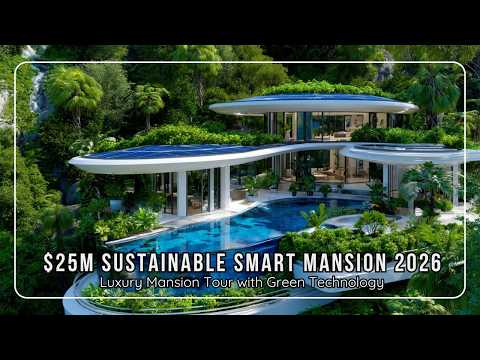
The $200 Million Blueprint: Beverly Hills and Beyond
The $200 million smart mansion in Beverly Hills, as showcased in a recent YouTube feature, is a striking example of this new paradigm. It’s not simply a large, luxurious home; it's described as a 'living intelligence sculpted in marble'. This isn’t hyperbole—the property leverages AI across nearly every aspect of operation, from security to climate control.
Central to the estate’s operation is a sophisticated AI-driven security system. Beyond traditional alarms and cameras, the property utilizes drones for perimeter surveillance and monitoring, adding a layer of protection rarely seen in residential settings. Automated climate control systems learn occupant preferences and adjust temperatures accordingly, optimizing comfort and energy efficiency.
Entertainment systems are equally integrated, responding to voice commands and even predicting entertainment choices based on viewing history. This level of automation extends to maintenance, with the AI proactively scheduling upkeep and identifying potential issues before they escalate. The property’s scale is immense, but the technology aims to make it feel effortlessly managed.
It's important to remember that this Beverly Hills property represents an extreme—a benchmark of what's possible, but not necessarily typical. This isn't the standard for all smart mansions; it’s a demonstration of the upper limits of current technology and available resources. It’s a statement piece, as much as it is a residence.
Gold Standard Living: Inside the $41 Million Estate
The $41 million white and gold smart mansion offers a different, though no less impressive, approach to integrating technology. While the Beverly Hills property emphasizes scale and cutting-edge innovation, this estate appears to prioritize a more refined balance between elegance, comfort, and technological convenience. It’s a modern palace, focusing on seamless integration.
The design choices in this mansion seem geared towards creating a luxurious and relaxing atmosphere. The use of white and gold, combined with carefully curated furnishings, creates a sense of understated opulence. The technology is present, but it doesn’t dominate the aesthetic – it blends into the background, enhancing the overall experience.
Unlike the more demonstrative AI features of the Beverly Hills mansion, this property seems to focus on subtle automation. Personalized comfort is key, with systems adjusting lighting, temperature, and sound to create the ideal ambiance. While both properties utilize AI, the emphasis here seems to be on creating a personalized sanctuary rather than a technologically advanced fortress.
The materials used – the quality of the marble, the craftsmanship of the woodwork – contribute significantly to the overall feeling of luxury. It’s a reminder that even the most advanced technology can’t replace the importance of quality materials and thoughtful design. It’s a more holistic approach to luxury living.
Core Systems: AI Brains and Automated Bodies
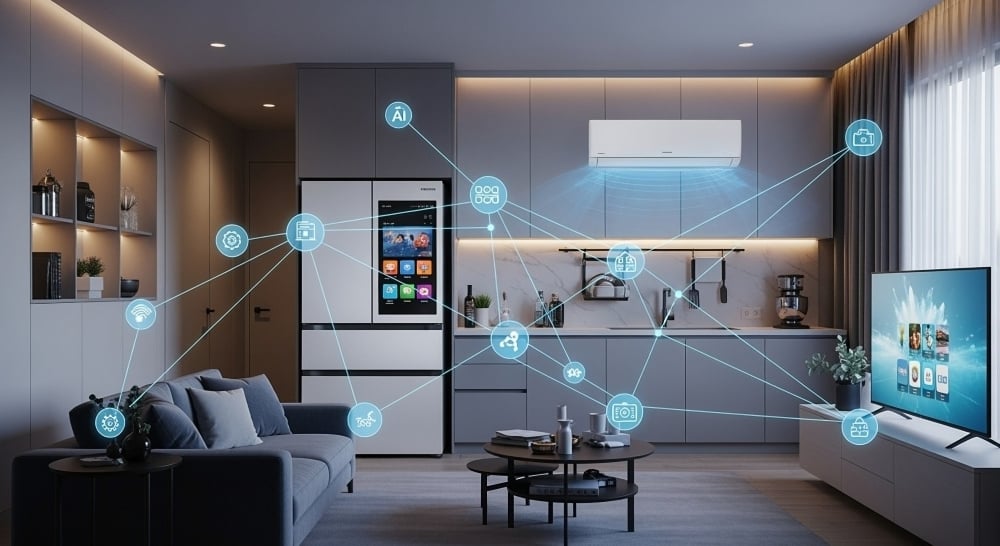
Underpinning these luxurious experiences are complex AI platforms and integrated home systems. While specific brands aren’t always publicized, companies like Crestron, Savant, and Control4 are frequently mentioned in the industry as leaders in high-end home automation. These systems act as the 'brains' of the mansion, coordinating and controlling various functions.
The integration process is extensive. The AI platform connects to lighting systems, allowing for automated scenes and personalized illumination. It manages HVAC systems, optimizing temperature and air quality. It controls entertainment systems, providing seamless access to music, movies, and other media. And, critically, it integrates with security systems, providing a centralized control point for all safety features.
These systems don't operate in isolation. They rely on a network of sensors and data inputs to learn occupant preferences and respond accordingly. For example, the AI might learn that a resident prefers a certain temperature at bedtime and automatically adjust the thermostat. Or it might detect when someone is approaching the house and adjust the lighting and security systems accordingly.
The goal isn’t just to automate tasks, but to create a truly responsive environment. It's about anticipating needs and providing a level of comfort and convenience that was previously unimaginable. The complexity lies in making all these systems work together seamlessly.
Security Reimagined: AI Guardians and Predictive Safety
Security is a paramount concern in these high-value properties, and AI is revolutionizing how it's approached. Traditional security systems are reactive—they respond to threats after they occur. AI-powered systems, however, are predictive, anticipating and preventing threats before they materialize.
AI-powered surveillance systems utilize facial recognition technology to identify authorized personnel and alert security to any unfamiliar faces. Perimeter protection systems employ sensors and cameras to detect intruders and trigger alarms. These systems can also analyze patterns of activity to identify potential threats, such as suspicious loitering or unusual movements.
The use of drones for security is becoming increasingly common, providing an aerial view of the property and allowing for rapid response to potential incidents. These drones can be equipped with thermal cameras and other sensors to detect intruders even in low-light conditions. However, this raises important questions about privacy.
The privacy implications of such advanced security systems are significant. The collection and storage of personal data, including facial recognition data, raise concerns about potential misuse. It’s crucial that these systems are implemented with strong security measures and clear privacy policies to protect the rights of occupants and visitors.
The Wellness Factor: AI and Personalized Comfort
Beyond security and convenience, AI is also playing a growing role in enhancing wellness and comfort within these mansions. Personalized climate control systems adjust temperature and humidity levels to create the ideal environment for each occupant, taking into account individual preferences and physiological needs.
Air purification systems utilize advanced filtration technologies to remove pollutants and allergens, improving indoor air quality. Automated lighting systems mimic natural daylight patterns, promoting a healthy circadian rhythm. These systems can also adjust lighting levels to reduce eye strain and improve mood.
AI-powered fitness and health monitoring systems track occupant activity levels, sleep patterns, and other health metrics. This data can be used to provide personalized recommendations for improving fitness and well-being. Some systems can even integrate with wearable devices to provide a more comprehensive view of occupant health.
The aim is to create a living environment that actively promotes health and well-being. It’s about using technology to create a sanctuary—a place where occupants can relax, recharge, and live their best lives. This holistic approach to wellness is a defining characteristic of these AI-powered mega-mansions.
Global Hotspots: Where AI Mansions Are Taking Root
While these properties can be found worldwide, certain locations are emerging as hotspots for AI-powered mega-mansions. Atlanta's Billionaire Row, as highlighted by Daily High House, is one such area, attracting a concentration of high-net-worth individuals seeking luxurious and technologically advanced homes.
Florida, particularly Miami Beach, is another key market, with a growing number of developers incorporating smart home technology into new construction projects. The demand for luxury properties in Florida is driven by a favorable climate, a thriving economy, and a growing population of affluent residents.
California, particularly the Los Angeles area, remains a popular destination for these types of properties, driven by the entertainment industry and the presence of a large number of tech entrepreneurs. The Beverly Hills mansion we discussed earlier is a prime example of the state-of-the-art luxury available in this region.
Other emerging markets include Dubai, London, and Hong Kong, where demand for high-end properties is increasing. The factors driving demand in these locations vary, but they all share a common thread: a growing number of affluent individuals seeking the ultimate in luxury and convenience.
AI Adoption in Luxury Smart Mansions – Regional Comparison (2026)
| Region | Key Features | Design Trends | Privacy Regulations | Adoption Rate |
|---|---|---|---|---|
| US | Integrated home automation systems controlling lighting, climate, and security; advanced entertainment systems; personalized wellness features (e.g., smart gyms, automated spa controls) | Open-concept layouts with seamless indoor-outdoor integration; minimalist aesthetics incorporating natural materials; emphasis on smart home hubs and voice control. | Varied state-by-state; growing focus on data privacy and security, particularly concerning smart device data collection. California Consumer Privacy Act (CCPA) influences trends. | High |
| Europe | Emphasis on energy efficiency and sustainability through smart grids and automated resource management; sophisticated security systems with biometric access control; integrated art and music management. | Blending of traditional architectural styles with modern smart home technology; focus on discreet integration of technology; preference for sustainable and eco-friendly materials. | Stringent General Data Protection Regulation (GDPR) significantly impacts data handling and requires explicit user consent for data collection and usage. | Medium to High |
| Asia (Japan, Singapore, China) | Highly customized automation tailored to individual preferences; robotic assistance for household tasks; advanced surveillance and security systems; integration with smart city infrastructure. | Minimalist designs with a focus on technology as an aesthetic element; incorporation of traditional design principles (e.g., Feng Shui) with smart home features; emphasis on connectivity and convenience. | Varying levels of regulation; increasing awareness of data privacy concerns; growing implementation of data protection laws. | Medium |
| Middle East (UAE, Saudi Arabia) | Extensive use of automation for climate control and landscaping; integration of smart security systems with advanced surveillance capabilities; luxury entertainment systems with immersive technologies. | Grand, opulent designs incorporating cutting-edge technology; emphasis on creating a seamless and luxurious living experience; integration of smart home features with traditional Arabic architectural elements. | Developing data privacy regulations; increasing focus on cybersecurity and data protection. | Medium |
Illustrative comparison based on the article research brief. Verify current pricing, limits, and product details in the official docs before relying on it.
Looking Ahead: The Future of AI-Integrated Living
The future of AI-powered smart mansions is likely to be defined by even greater levels of integration and personalization. We can expect to see new technologies and features emerge, such as advanced robotics, virtual reality, and augmented reality, that further enhance the living experience.
Robotics could play a larger role in home maintenance and security, with robots performing tasks such as cleaning, landscaping, and patrolling the property. Virtual reality and augmented reality could be used to create immersive entertainment experiences and to personalize the home environment in new ways.
Whether these homes will become more accessible to a wider range of buyers remains to be seen. Currently, they are largely limited to the ultra-wealthy. However, as the cost of technology decreases and the demand for smart homes increases, it’s possible that some of these features will trickle down to more affordable properties.
The biggest challenge will be ensuring that these technologies are implemented responsibly and ethically. Privacy concerns, data security, and the potential for job displacement are all important considerations. The goal should be to create homes that are not only luxurious and convenient, but also sustainable and equitable. It’s a fascinating evolution, and one that will continue to shape the future of how we live.

No comments yet. Be the first to share your thoughts!