

The $500 million estate: A new standard
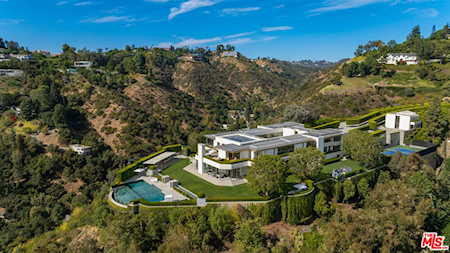
A new echelon of luxury is emerging in the real estate market: the $500 million+ mega mansion. These aren’t simply large homes; they represent a fundamental shift in how the ultra-wealthy approach living, prioritizing privacy, seamless technology integration, and personalized experiences. We're seeing this trend accelerate into 2026, fueled by increased wealth concentration and a desire for unparalleled comfort.
The aesthetic is evolving. Gone are the days of overtly ostentatious displays of wealth. Instead, the focus is on understated elegance, sophisticated design, and a feeling of calm. These homes are built to feel like a sanctuary, not a showroom. It’s a shift from "look at what I have’ to ‘this is how I live."
The scale is, of course, immense. Properties often span multiple acres, incorporating numerous amenities and outbuildings. But what truly sets these estates apart is the level of technological sophistication embedded within them. It’s not just about having the latest gadgets; it’s about a fully integrated system that anticipates needs and enhances every aspect of daily life.
The market for these properties remains relatively small, but incredibly robust. Demand consistently outpaces supply, driving prices higher and pushing the boundaries of what’s possible in luxury home design. Locations remain concentrated in established wealth hubs like Los Angeles, London, Dubai, and increasingly, tech-focused cities like Austin and Singapore.
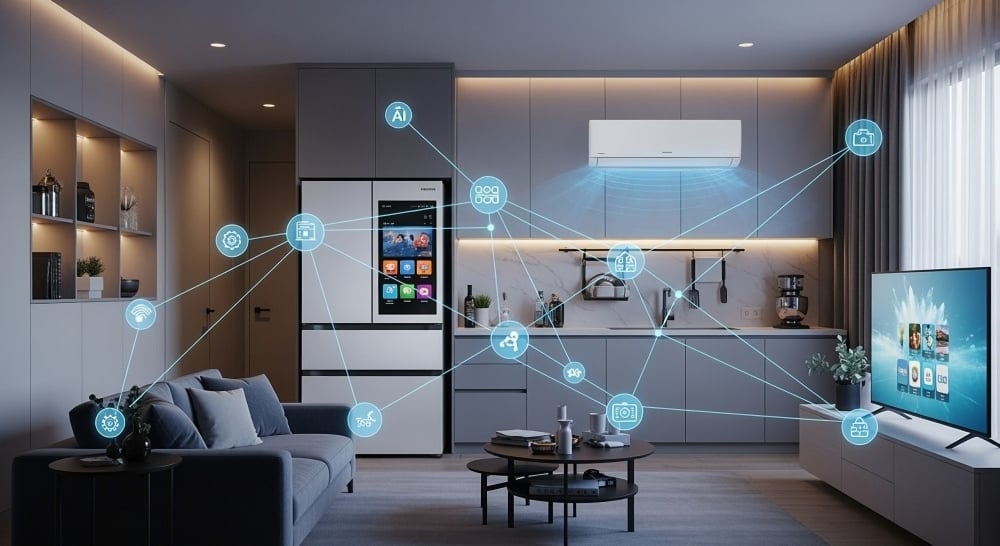
AI: The invisible butler
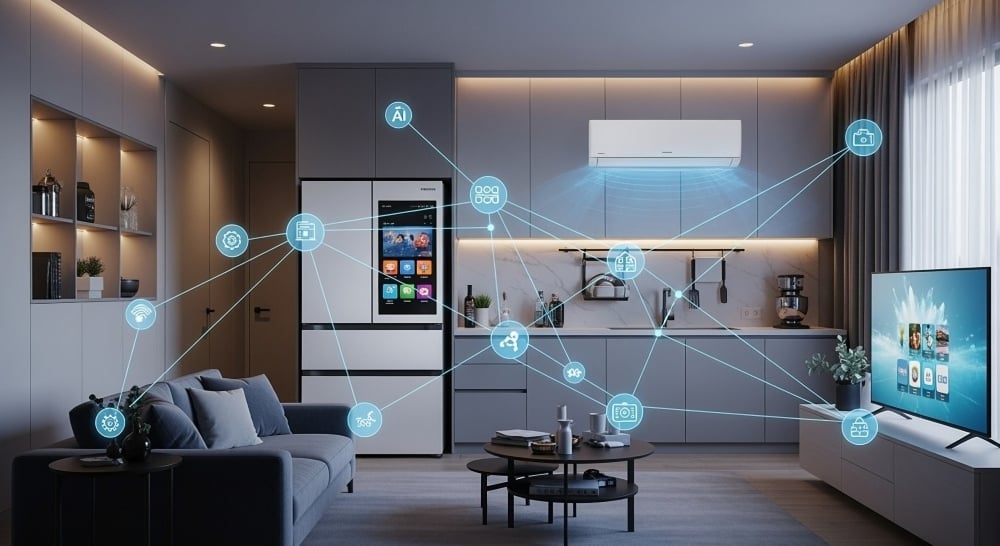
Artificial intelligence is no longer a futuristic concept in these mega mansions; it’s the silent orchestrator of daily life. It’s moving far beyond simple voice control – like Alexa or Google Home – to become a truly proactive, anticipatory home management system. The goal is to create an environment that responds to occupant needs before they’re even expressed.
Predictive automation is at the heart of this. The house learns individual preferences – from preferred lighting levels and temperature settings to entertainment choices and security protocols – and adjusts accordingly. Imagine waking up to a home that’s already warmed to your ideal temperature, with your favorite music playing softly in the background, and the coffee brewing automatically. That's the reality in these estates.
A key enabler of this level of responsiveness is edge computing. Instead of relying on cloud-based processing, much of the data analysis happens locally, within the home itself. This reduces latency, ensuring faster response times, and enhances privacy by minimizing the amount of data transmitted externally. Dedicated server rooms are becoming standard in these designs.
This isn't just about convenience. AI is also used to optimize energy consumption, manage security systems, and even monitor the health and well-being of the occupants. The system can detect anomalies – like a sudden change in activity patterns – and alert security personnel or medical professionals as needed. The level of personalization and oversight is unprecedented.
- Predictive lighting: Adjusts based on time of day, weather, and occupant preferences.
- Smart climate control: Optimizes temperature and humidity for comfort and energy efficiency.
- Automated entertainment: Curates music, movies, and other content based on mood and activity.
- Proactive security: Detects and responds to potential threats in real-time.
Wellness integrated: Health monitoring and optimization
The concept of wellness is deeply integrated into the design of these mega mansions. It goes far beyond a simple home gym or spa; these homes are actively designed to promote physical and mental well-being. This is achieved through the incorporation of advanced health monitoring technology, far exceeding the capabilities of a typical smartwatch.
Embedded sensors are becoming commonplace – integrated into floors to analyze gait and balance, built into furniture to monitor posture and pressure points, and even incorporated into bathrooms to track vital signs like heart rate, blood pressure, and sleep patterns. This data is continuously collected and analyzed by AI algorithms.
The AI then provides personalized health recommendations, adjusting environmental factors to optimize well-being. For example, the system might automatically adjust air quality based on allergen levels, optimize lighting to promote circadian rhythm regulation, or even suggest a change in diet or exercise routine. The level of constant monitoring raises questions about occupant comfort.
Proactive healthcare is another key component. The system can identify potential health issues early on and proactively schedule medical appointments, even coordinating with healthcare providers remotely. It's about moving from reactive healthcare to preventative wellness, all within the comfort of your own home.
Entertainment reimagined: Immersive experiences
Home entertainment systems in these mega mansions are no longer about simply watching a movie or listening to music. They’re about creating fully immersive experiences that engage all the senses. These include dedicated home theaters with dynamic lighting, haptic feedback seating, and state-of-the-art sound systems.
AI plays a crucial role in curating these experiences. The system learns your preferences and suggests content based on your mood, activity, and even the time of day. It can create personalized playlists, recommend movies and TV shows, and even generate interactive art installations that respond to movement and voice.
Augmented reality (AR) and virtual reality (VR) are also becoming increasingly popular. AR can overlay digital information onto the real world, creating interactive experiences within the home. VR can transport you to entirely new environments, allowing you to explore virtual worlds or attend virtual events. Examples of such customization include unique spaces like dedicated vodka tasting rooms.
These systems aren’t just about passive consumption; they’re about active participation. Interactive art installations, AI-powered gaming experiences, and personalized music visualizations all contribute to a more engaging and immersive entertainment environment. It’s about creating a home that’s not just a place to live, but a place to play.
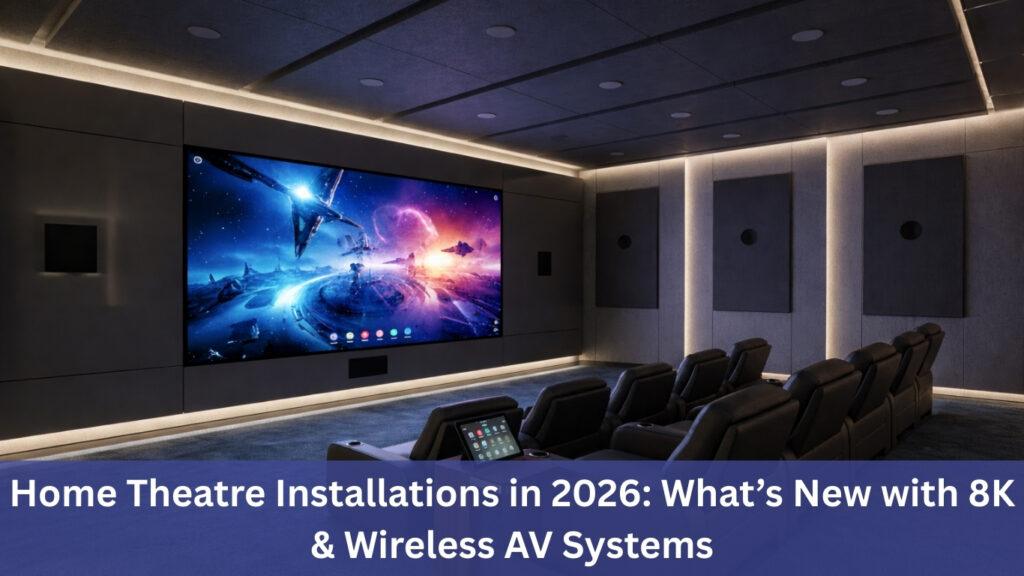
Security beyond walls: Predictive protection
Security is paramount in these mega mansions, going far beyond traditional alarm systems and security cameras. These estates utilize AI-powered surveillance systems that analyze behavior patterns, identify potential threats, and proactively alert security personnel. The focus is on anticipating and preventing security breaches, not just reacting to them.
The use of drones for perimeter monitoring is becoming increasingly common. Drones can patrol the property, providing a bird’s-eye view and detecting any unauthorized activity. Biometric access control – using fingerprint scanning, facial recognition, or retinal scans – ensures that only authorized individuals can enter the property.
Advanced cybersecurity measures are also essential. These homes are vulnerable to hacking and data breaches, so robust security protocols are needed to protect sensitive information. This includes encryption, firewalls, and intrusion detection systems. I wonder if the need for this level of security is a reflection of broader societal trends.
The AI system learns normal patterns of activity on the property and can detect anomalies – like an unexpected vehicle approaching or a person loitering near the perimeter. It then alerts security personnel, who investigate the situation and take appropriate action. The goal is to create a "security bubble" around the property, protecting the occupants from potential threats.
Sustainable luxury: Eco-conscious design
Luxury and sustainability are no longer mutually exclusive. They are increasingly intertwined in the design of these mega mansions, with homeowners demanding eco-friendly features and technologies that minimize their environmental impact.
The use of renewable energy sources is becoming standard. Solar panels, geothermal heating and cooling systems, and wind turbines are all common features. Water conservation systems – including rainwater harvesting and greywater recycling – are also widely adopted. It’s not just about extravagance anymore; it’s about responsible living.
Smart waste management systems automate the sorting and disposal of waste, maximizing recycling rates and minimizing landfill contributions. Eco-friendly building materials, such as reclaimed wood, bamboo, and recycled concrete, are also prioritized.
AI plays a crucial role in optimizing energy consumption. The system can learn occupancy patterns and adjust lighting, heating, and cooling accordingly, minimizing waste and reducing energy bills. It can also monitor energy usage and identify areas for improvement. These estates often aim for net-zero energy consumption, generating as much energy as they consume.
Sustainable Technology Comparison in 2026 Mega Mansions
| Technology | Initial Cost | Efficiency | Environmental Impact | Maintenance |
|---|---|---|---|---|
| Solar Panels | Significant upfront investment, varies greatly with system size and panel type. | High, converting sunlight directly into electricity. Efficiency rates of commercially available panels generally range from 18% to 22%. | Low operational carbon footprint; reduces reliance on fossil fuels. | Moderate. Requires periodic cleaning and occasional inverter replacement (lifespan approximately 10-15 years). |
| Geothermal Heating & Cooling | High initial cost due to drilling and ground loop installation. | Very high. Provides consistent temperatures year-round with significantly reduced energy consumption compared to traditional HVAC systems. | Very low. Utilizes the Earth's natural heat, minimizing greenhouse gas emissions. | Low to Moderate. Requires occasional loop fluid checks and pump maintenance. |
| Rainwater Harvesting | Moderate. Costs depend on tank size, filtration system complexity, and integration with plumbing. | Moderate. Provides a supplemental water source, reducing demand on municipal supplies. | Low. Reduces stormwater runoff and conserves potable water. | Moderate. Requires regular tank cleaning and filter replacement to maintain water quality. |
| Greywater Recycling | Moderate. Costs associated with filtration and plumbing modifications. | Moderate. Reduces water consumption by reusing water from showers, sinks, and laundry for irrigation and toilet flushing. | Low. Decreases freshwater demand and reduces wastewater discharge. | Moderate. Requires regular filter maintenance and monitoring to ensure water safety. |
| Smart Energy Grids (Integrated Systems) | High. Includes costs of smart meters, energy management systems, and integration with renewable energy sources. | High. Optimizes energy distribution and consumption based on real-time data and predictive algorithms. | Low to Moderate. Reduces energy waste and facilitates integration of renewable energy sources. | Moderate. Requires ongoing software updates and potential hardware maintenance. |
| Green Roofs | Moderate to High. Costs depend on roof structure, plant selection, and irrigation systems. | Moderate. Provides insulation, reducing heating and cooling costs, and manages stormwater runoff. | Low. Improves air quality, supports biodiversity, and reduces the urban heat island effect. | Moderate. Requires regular maintenance including weeding, watering, and drainage system checks. |
Illustrative comparison based on the article research brief. Verify current pricing, limits, and product details in the official docs before relying on it.
The human touch: Staffing and service
Despite the increasing level of automation, these mega mansions still require a significant staff to maintain and operate. The role of domestic staff is evolving beyond traditional duties like housekeeping and cooking.
There’s a growing demand for specialized technicians who can manage and maintain the complex technology – the AI systems, the smart home devices, the security systems, and the entertainment systems. These technicians need to have a deep understanding of these technologies and be able to troubleshoot any issues that arise.
Personalized service remains highly valued. Homeowners still want a butler to manage their schedules, a chef to prepare their meals, and a housekeeper to maintain the property. The extensive space in these properties highlights the need for a dedicated team.
Finding qualified personnel is a challenge. The demand for skilled staff exceeds the supply, and homeowners are willing to pay a premium to attract and retain the best talent. Training and development programs are becoming increasingly important to ensure that staff have the skills and knowledge needed to excel in their roles.
Would you prioritize complete automation in your dream mega mansion, or would you prefer a higher level of human staff support?
As AI-powered smart home technology continues to reshape the world of ultra-luxury living, we want to know how you would design your dream mansion. Would you go all-in on automation, or does the personal touch of a dedicated staff still hold its appeal? Vote below!
Beyond the mansion: The connected estate
These aren't just houses; they're often part of larger, self-contained estates. And the smart technology isn’t limited to the main residence; it extends across the entire property. Automated landscaping and irrigation systems maintain the grounds, while smart transportation options – such as electric vehicles and private helipads – provide convenient mobility.
The "smart community" concept is also emerging, where multiple estates are interconnected and share resources. This can include shared security systems, renewable energy grids, and communal amenities like golf courses and swimming pools.
AI manages these interconnected systems, optimizing resource allocation, coordinating transportation, and enhancing security across the entire estate. The aim is to create a seamless, integrated lifestyle.
The $500 million+ mega mansion represents a new standard in luxury living, a place where technology, sustainability, and personalized service converge to create an unparalleled living experience. It’s a sanctuary that’s not just a home, but a lifestyle.
No comments yet. Be the first to share your thoughts!