

The rise of remote mansion tours
Luxury real estate is changing. Instead of flying across the country for a weekend of open houses, buyers are walking through multi-million dollar estates from their living rooms. It is a practical shift. If you are looking for a ten-bedroom home, you want to see the layout before committing to a cross-country flight.
This isn’t about replacing the in-person visit entirely, at least not yet. It's about dramatically narrowing down the options. Why spend a day flying to see five properties when you can virtually tour twenty in an hour? The demand for remote property exploration has been steadily growing, and the technology is finally catching up to meet it.
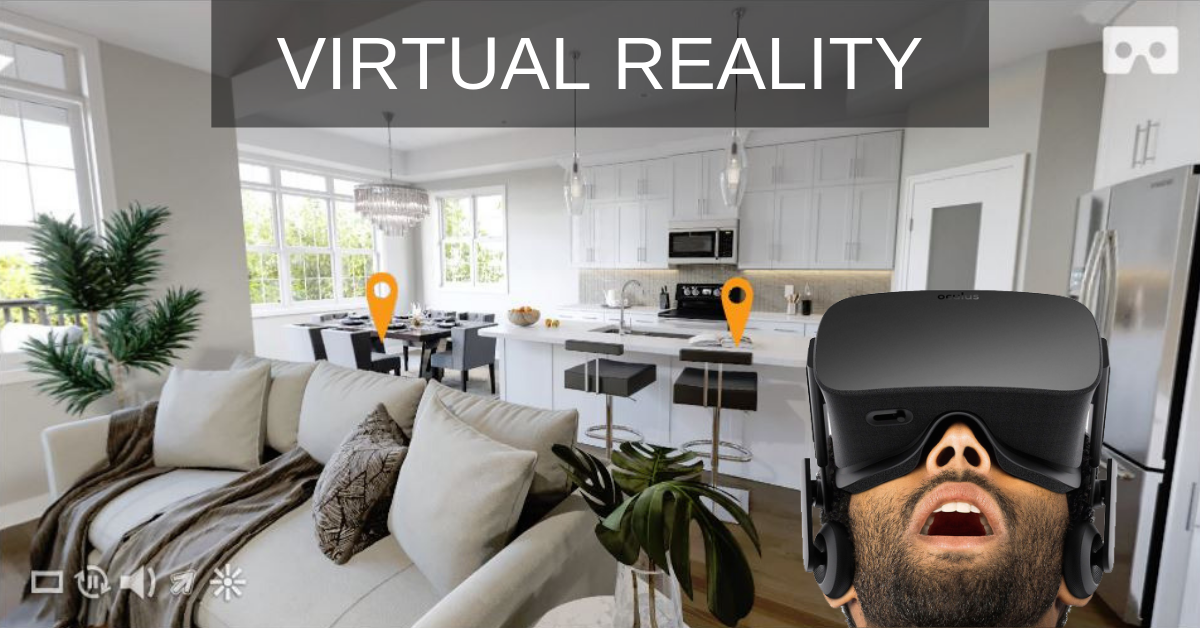
The foundation of these tours rests on technologies like 360° cameras, sophisticated 3D scanning, and powerful rendering engines. While the technical details can be complex, the core idea is simple: create a digital replica of a property that allows viewers to move through it as if they were physically present. It’s about immersion, and the ability to experience a space in a way that photos and videos simply can’t replicate.
How the digital twins are built
Creating a believable virtual mansion isn't just about taking a bunch of 360° photos. It begins with 3D scanning, and companies like Matterport are leading the charge. These systems use lasers and cameras to capture precise measurements and create detailed digital models of a property’s interior and exterior. The result is a "digital twin" – a highly accurate representation of the real-world space.
But a digital twin alone isn’t enough. That's where game engines come in. Unreal Engine and Unity are commonly used to render these models, adding realistic lighting, textures, and materials. These engines are the same ones used to create AAA video games, so they're capable of producing incredibly immersive experiences. The quality of the rendering is what truly separates a good VR tour from a mediocre one.
Finally, there’s the hardware. VR headsets like the Meta Quest, HTC Vive, and Apple Vision Pro are the windows into these virtual worlds. While each headset has its own strengths and weaknesses, they all share the ability to track your head movements and translate them into the virtual environment. Compatibility with these headsets is becoming increasingly important for anyone wanting to offer a truly immersive experience.
A Global Showcase: Mansions You Can Visit Now
Some properties already have high-quality tours available. A 10,100 sq. ft. estate in Potomac, Maryland, uses a YouTube 360 tour to show off its 2.37-acre grounds. The video makes the scale of the renovation clear in a way static photos miss.
Moving across the country, Karen Cannon Realtors provides 3D virtual tours of their listings, allowing buyers to experience properties as if they were actually walking through them. This is a great example of how realtors are embracing the technology to reach a wider audience. They emphasize the convenience for international buyers, who can explore homes without the expense of travel (see: ).
For a taste of history, the National Park Service offers virtual tours of several historic places, although these aren’t necessarily mansions in the traditional sense. They do, however, demonstrate the power of VR to preserve and share cultural heritage. You can explore a range of sites through their Heritage Documentation Programs:
In Fort Washington, Maryland, one YouTube tour showcases a thoughtfully designed home, giving viewers a detailed look at the layout and finishes. The video really focuses on the flow of the house, and the quality of the materials used. The tour feels less like a sterile walk-through and more like a guided exploration:
While finding comprehensive VR tours of luxury homes in Japan is proving difficult, the potential is enormous. Japanese architecture and design are highly sought after, and VR tours would be a fantastic way to showcase these properties to a global audience. I suspect we’ll see more Japanese estates embracing this technology in the near future.
Atlanta’s luxury market is also seeing increased adoption of VR tours. Several high-end real estate firms are now offering virtual walkthroughs of their listings, allowing potential buyers to explore properties like sprawling estates in Buckhead without leaving their homes. The focus is often on showcasing the outdoor spaces and amenities, which are a major selling point in Atlanta.
Beyond the Walkthrough: Interactive Features
The most compelling VR mansion tours go beyond a simple walkthrough. They offer interactive elements that enhance the experience and provide valuable information. Imagine being able to open doors, turn on lights, and even change the wall colors with a click. That level of control adds a whole new dimension to the virtual visit.
Floor plan views are another useful feature. Being able to see the layout of the house from a bird’s-eye perspective helps you understand the relationships between different rooms. Some tours even allow you to switch between different floor plans, making it easier to compare options.
I believe the ability to customize is a major draw. Imagine virtually staging a home with your own furniture, or experimenting with different finishes to see what looks best. This level of personalization could be a game-changer for buyers who are struggling to visualize a space.
- Interactive controls to open doors or toggle lighting
- Floor plan views
- Ability to change finishes (wall colors, furniture)
- Integrated information about materials and appliances
- "Meeting" the architect or designer via pre-recorded video
VR Mansion Tour Features
- Matterport 3D Scans - Highly detailed, photorealistic 3D models allow for immersive walkthroughs, capturing the spatial relationships within the property.
- Interactive Floor Plans - Users can navigate the mansion using 2D floor plans overlaid onto the 3D environment, providing context and ease of movement.
- Material Swapping - Some tours allow users to virtually change finishes – like flooring, wall colors, or countertop materials – to visualize different design options.
- Daylight Simulation - Adjust the time of day within the virtual tour to observe how natural light affects different rooms and views.
- Integrated Property Information - Access detailed information about room dimensions, appliance brands (like Sub-Zero or Wolf), and construction materials directly within the VR environment.
- Architectural Highlight Reels - Pre-defined viewpoints showcase key architectural features, such as custom millwork, grand staircases, or unique ceiling designs.
- Live Agent Chat/Video Call Integration - Connect with a real estate agent directly within the virtual tour for immediate answers to questions and personalized guidance.
The Agent's Perspective: VR and the Real Estate Market
Agents are using these tools to close deals faster. The National Association of Realtors (NAR) 2023 member profile suggests that virtual tours help win listings and keep buyers engaged longer. Using 360 cameras is becoming a standard requirement for high-end listings rather than a luxury add-on.
Many agents report that VR tours are attracting a different type of buyer – one who is more tech-savvy and appreciates the convenience of remote property exploration. These buyers are often willing to spend more time researching properties online, and they are more likely to be serious about making a purchase.
However, there are also challenges. The cost of creating high-quality VR tours can be significant, and it requires a certain level of technical expertise. Some agents are hesitant to invest in the technology, while others are unsure how to effectively market their virtual tours. It's a learning curve for many, but the potential rewards are substantial.
What is next for virtual buying
Looking ahead, the future of VR mansion tours is incredibly exciting. We can expect to see more sophisticated interactive features, such as the ability to virtually renovate a home or experiment with different design styles. Integration with AI assistants could also play a role, allowing buyers to ask questions about the property and receive instant answers.
I'm also anticipating the rise of "digital staging" – the ability to virtually furnish a home with your own furniture and décor. This would be a game-changer for buyers who are struggling to visualize a space, and it could significantly reduce the time it takes to make a decision.
Will VR tours ever completely replace in-person visits? I'm not sure. There’s something about physically experiencing a space that can’t be replicated virtually. But I do believe that VR tours will become an increasingly central part of the home buying process, especially for luxury properties. They’ll be the first step for many buyers, narrowing down the options before they commit to an in-person visit.
Virtual Reality Mansion Tours: Platforms & Features (2026)
| Platform Name | Tour Focus | VR Headset Compatibility | Accessibility | Content Style |
|---|---|---|---|---|
| National Park Service (NPS) | Historic Mansions & Estates | Limited - relies on browser-based viewing, adaptable to some VR headsets | Free | Static 360° views, focused on preservation and history |
| YouTube | Varied - Modern & Renovated Homes | Wide - Compatible with most VR headsets via browser or app | Free | Video walkthroughs, often realtor-led, dynamic perspective |
| Matterport | Modern Luxury & Real Estate | High - Designed for VR, supports major headsets | Varies - some free, many paid tours | Interactive 3D models, detailed floor plans, realistic rendering |
| Kuula | 360° Virtual Tours | Good - Supports mobile VR and desktop VR viewing | Free & Paid options | User-generated content, focuses on immersive 360° experiences |
| Roundme | Architectural & Design Focused | Good - Compatible with popular VR headsets | Free & Paid options | High-quality 360° imagery, curated collections, artistic presentation |
| Zillow (with 3D Home feature) | Real Estate Listings | Moderate - Requires compatible browser or app, VR support evolving | Free | Interactive 3D tours integrated with property listings |
Qualitative comparison based on the article research brief. Confirm current product details in the official docs before making implementation choices.



No comments yet. Be the first to share your thoughts!