

Beyond Opulence: A New Definition of Luxury
For decades, the definition of luxury in real estate revolved around sheer size, extravagant amenities, and prime locations. But something is shifting. Today, a new understanding of luxury is emerging, one deeply intertwined with responsibility, sustainability, and long-term value. It's no longer enough to simply have a spectacular home; it needs to be a home that exists in harmony with its environment.
Climate change is no longer a distant threat, it's a present reality impacting property values and driving demand for climate-resilient features. Coastal properties are facing increased risks from rising sea levels and storm surges, while inland areas are grappling with wildfires and extreme temperatures. Savvy investors and discerning homeowners are recognizing that a beautiful estate is a diminished asset if the surrounding environment is compromised.
This isn’t about sacrificing comfort or style. It’s about elevating luxury to encompass a broader sense of well-being and future-proofing investments. I’ve noticed a distinct change in client priorities; they’re asking about energy efficiency, water conservation, and the carbon footprint of materials. They want a home that’s not only beautiful but also responsible.
The demand for sustainable luxury mansions and eco-friendly architectural marvels is growing rapidly. What was once considered a niche market is quickly becoming mainstream. This is driven by a combination of environmental awareness, economic incentives, and a desire for a healthier lifestyle. The definition of status is evolving, and green living is the new symbol of affluence.
The Materials Revolution: Building for Resilience
The foundation of any climate-resilient home lies in the materials used for construction. We're moving beyond traditional concrete and steel, which have significant environmental impacts, towards more sustainable alternatives. This isn’t just about aesthetics; it’s a fundamental shift in how we build.
Cross-laminated timber (CLT) is rapidly gaining popularity as a sustainable alternative to concrete and steel. It’s a strong, lightweight, and renewable material that sequesters carbon dioxide. Recycled concrete, made from demolished structures, reduces waste and minimizes the need for new materials. Bamboo, a fast-growing grass, is another excellent option, particularly for flooring and cladding.
Innovative insulation materials are also playing a crucial role. Aerogel, for example, offers exceptional thermal performance while being incredibly lightweight. Hempcrete, a mixture of hemp fibers and lime, provides excellent insulation and breathability. These materials not only reduce energy consumption but also improve indoor air quality.
I’m particularly impressed by the growing trend of using locally sourced materials. This minimizes transportation costs and emissions, supports local economies, and often results in a more authentic and regionally appropriate design. Architects are increasingly working with local artisans and suppliers to create truly unique and sustainable homes. It’s about reducing the carbon footprint of construction at every stage.
- CLT (Cross-Laminated Timber): Renewable, strong, and sequesters carbon.
- Recycled Concrete: Reduces waste and minimizes new material use.
- Bamboo: Fast-growing, versatile, and sustainable.
- Aerogel: Exceptional thermal performance and lightweight.
- Hempcrete: Excellent insulation and breathability.
Comparative Analysis of Sustainable Building Materials for Luxury Mansions (2026 Trends)
| Material | Cost | Environmental Impact | Structural Performance | Design Versatility |
|---|---|---|---|---|
| Cross-Laminated Timber (CLT) | Moderate to High | Very Low | Good - Especially for Seismic Zones | High - Offers warm, natural aesthetic |
| Recycled Concrete | Moderate | Lower than Traditional Concrete | Good - Dependent on mix and processing | Moderate - Form options are generally conventional |
| Bamboo | Variable - Region Dependent | Very Low - Rapidly Renewable | Moderate - Requires treatment for durability | High - Unique textures and forms |
| Traditional Concrete | Moderate | High | Excellent - Well-understood properties | Moderate - Limited aesthetic options without additional finishes |
| Rammed Earth | Moderate to High | Low - Utilizes local soils | Good - Excellent thermal mass | Moderate - Requires skilled labor and design integration |
| Hempcrete | Moderate to High | Very Low - Carbon negative potential | Moderate - Typically used for infill, not primary structure | Moderate - Textured finish, often requires rendering |
Qualitative comparison based on the article research brief. Confirm current product details in the official docs before making implementation choices.
Water Management: The New Status Symbol
Water scarcity is a growing concern globally, and luxury homeowners are leading the charge in adopting innovative water management systems. It’s no longer sufficient to simply have a beautifully landscaped garden; it’s about how you conserve and reuse this precious resource.
Advanced water recycling systems are becoming increasingly common in high-end homes. These systems collect wastewater from showers, sinks, and laundry machines, treat it, and reuse it for irrigation and toilet flushing. Rainwater harvesting, another popular option, captures rainwater from roofs and stores it in tanks for later use.
Greywater systems, which reuse lightly used water from showers and sinks, are a more affordable alternative to full wastewater recycling. Drought-tolerant landscaping, featuring native plants that require minimal watering, is also essential. It’s about creating a landscape that’s both beautiful and sustainable.
I’ve seen some incredible systems that can recycle almost all of the water used in a large estate, reducing their reliance on municipal water supplies. It’s a game changer, both from an environmental and economic perspective. It’s not enough to just have a pool; it's about how you manage the water that goes into it.
Energy Independence: Powering the Future
Reducing reliance on the traditional power grid is a key component of sustainable luxury. The goal is to create homes that can generate their own energy, store it efficiently, and operate independently, or at least significantly reduce their carbon footprint.
Solar power is the most obvious solution, and the cost of solar panels has decreased dramatically in recent years. However, it’s not always practical or aesthetically pleasing. Micro-wind turbines, designed for residential use, are becoming increasingly popular, particularly in areas with consistent winds. Geothermal energy, which harnesses the Earth's internal heat, is another viable option, though it requires significant upfront investment.
Advanced battery storage solutions are essential for storing excess energy generated from renewable sources. Tesla’s Powerwall is a popular choice, but there are many other options available. These batteries allow homeowners to use clean energy even when the sun isn’t shining or the wind isn’t blowing.
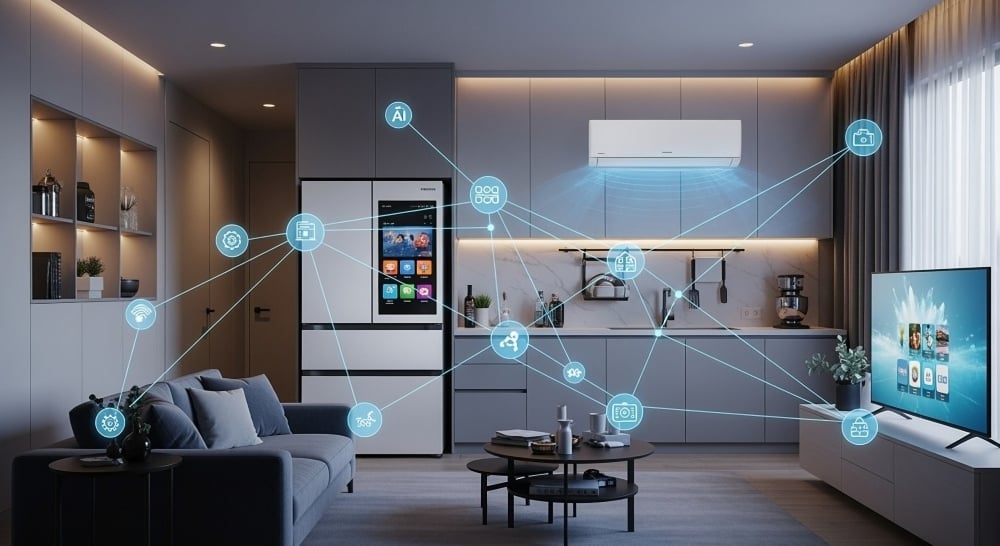
I’m seeing a trend towards integrating energy systems with smart home technology for optimal efficiency. Smart thermostats, lighting controls, and appliance management systems can all help to reduce energy consumption. This level of control and automation is a defining characteristic of the modern sustainable mansion. It’s about maximizing efficiency and minimizing waste.
Beyond these technologies, attention is also being paid to the building envelope itself. Superior insulation, airtight construction, and high-performance windows all contribute to reducing heating and cooling needs, lessening the demand on any energy source.
Architectural Designs: Adapting to Changing Climates
Sustainable architecture isn’t just about the materials and technologies used; it’s about the design itself. Climate-resilient homes are designed to work with the environment, minimizing energy consumption and maximizing comfort.
Passive heating and cooling techniques are fundamental. This involves designing buildings to take advantage of natural sunlight and ventilation. Building orientation is crucial; positioning a home to maximize solar gain in the winter and minimize it in the summer can significantly reduce heating and cooling costs. Natural ventilation, through strategically placed windows and openings, can provide fresh air and reduce the need for air conditioning.
The use of shading devices, such as overhangs, awnings, and trees, can also help to reduce solar heat gain. Green roofs, covered in vegetation, provide insulation, absorb rainwater, and create habitat for wildlife. These features aren’t just aesthetically pleasing; they’re essential for creating a comfortable and sustainable living environment.
I think we’ll see a lot more homes designed to withstand extreme weather events, like hurricanes and wildfires. This may involve reinforced construction, fire-resistant materials, and elevated foundations. It’s just common sense to design for the future, and the future is likely to involve more frequent and intense climate-related disasters.
Case Study: 'Eco Haven' – A Japanese Mountain Retreat
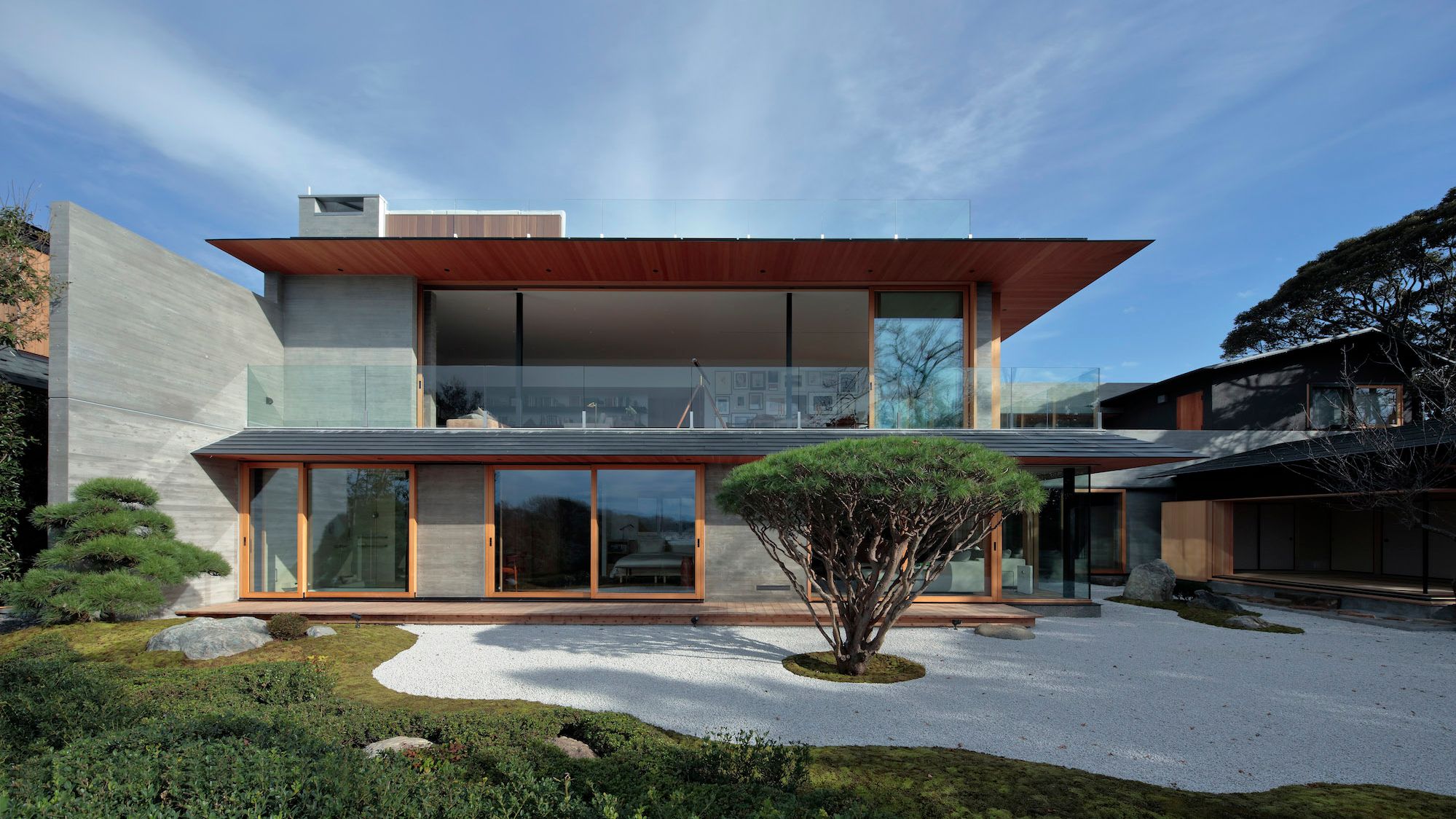
"Eco Haven," a recently completed mansion in the Japanese Alps, exemplifies the principles of sustainable luxury. Designed by architect Hiroshi Nakamura, the home seamlessly blends into its natural surroundings while incorporating cutting-edge green technologies.
The home is constructed primarily from locally sourced timber, minimizing the carbon footprint of construction. It features a highly insulated building envelope, passive solar heating, and a rainwater harvesting system. A geothermal heat pump provides efficient heating and cooling. The roof is covered in solar panels, generating enough electricity to power the entire estate.
One of the biggest challenges during construction was the remote location and the difficult terrain. Materials had to be transported over narrow mountain roads, and the foundation had to be carefully engineered to withstand the harsh winter conditions. The project also involved close collaboration with local craftsmen to ensure that the home blended seamlessly with the surrounding landscape.
"Eco Haven’ demonstrates that sustainable luxury is not just possible, it’s also achievable. The home is a testament to the power of thoughtful design and innovative technology. It"s a place where residents can connect with nature, live comfortably, and reduce their environmental impact. The project cost approximately $12 million, a figure reflective of the bespoke design and high-quality materials used.
The home’s water management system recycles 90% of wastewater for irrigation, and the landscaping features native plants that require minimal watering. Smart home technology monitors energy consumption and automatically adjusts settings to optimize efficiency. The overall impact of the project is a significant reduction in carbon emissions and a minimal disruption to the surrounding ecosystem.
The Cost of Going Green: Is it Worth It?
Let’s be realistic – sustainable luxury comes at a price. The upfront costs associated with green building technologies and materials can be significantly higher than those of conventional construction. Solar panels, geothermal systems, and advanced water recycling systems all require a substantial investment.
However, it’s important to consider the long-term savings and return on investment. Energy-efficient homes have lower utility bills, and water conservation measures reduce water costs. Government incentives, such as tax credits and rebates, can also help to offset the initial investment. Property values for sustainable homes are also generally higher and appreciate more quickly.
The cost premium for sustainable features can range from 5% to 20% of the total construction cost, depending on the level of sustainability. But this premium is decreasing as green technologies become more affordable and mainstream. It’s also important to remember that the cost of not going green – the environmental and economic costs of climate change – is far greater.
I think the biggest benefit, though, is the peace of mind knowing you’re doing your part for the planet. It’s about investing in a future where luxury and sustainability go hand in hand. It’s about creating a home that’s not only beautiful and comfortable but also responsible and resilient.
Looking Ahead: The Future of Sustainable Mansions
The future of sustainable mansions is bright. We can expect to see even more innovative technologies and materials emerge in the coming years. Building codes are likely to become more stringent, requiring higher levels of energy efficiency and sustainability.
Emerging technologies, such as carbon capture and storage, could play a significant role in reducing the carbon footprint of construction. 3D-printed homes, using sustainable materials, could offer a more affordable and efficient building solution. Artificial intelligence and machine learning will likely be used to optimize energy consumption and manage resources more effectively.
The demand for sustainable luxury homes will continue to grow as more people recognize the benefits of responsible living. Architects and engineers will continue to push the boundaries of what’s possible, creating homes that are not only beautiful and comfortable but also environmentally friendly and resilient. It’s a really dynamic field right now.
I anticipate we’ll see a greater emphasis on biophilic design – incorporating natural elements into the built environment – to promote well-being and connection with nature. The integration of sustainable practices will become so seamless that it will no longer be considered a “luxury” feature, but rather a standard expectation.
No comments yet. Be the first to share your thoughts!