

Spot the defining features of mega mansions
Identifying the world’s most luxurious mansions in 2026 requires looking past the headline square footage. While size remains a baseline metric, true luxury is defined by architectural intent and the quality of materials used. A mega mansion is not just a large house; it is a curated environment where every element serves a specific purpose, from climate control to acoustic isolation.
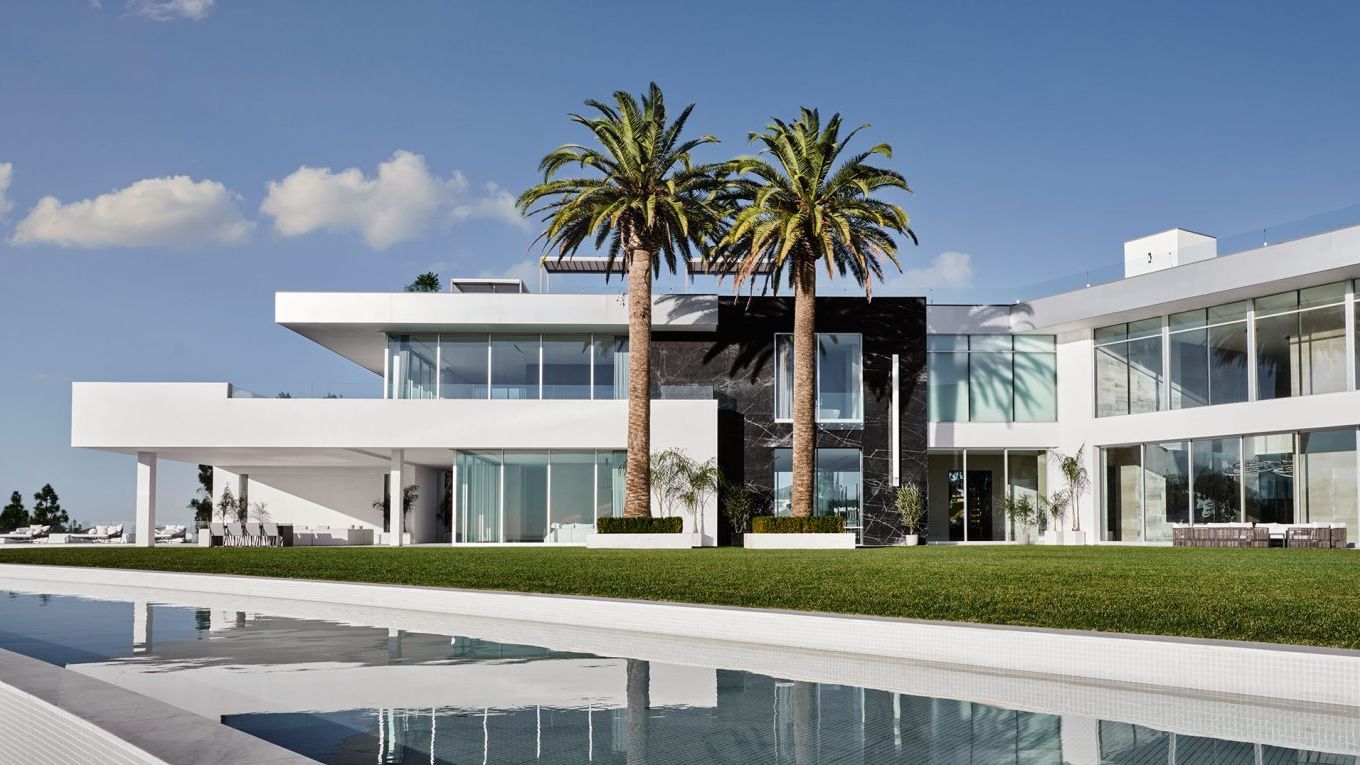
The most prestigious properties distinguish themselves through bespoke craftsmanship and proprietary technology. Look for custom millwork that cannot be replicated by standard builders, such as hand-carved stone facades or imported marble floors laid in intricate patterns. These homes often integrate smart systems that are invisible to the eye but essential to the experience, managing everything from natural light filtration to air quality without disrupting the aesthetic.
Material authenticity is another critical indicator. In 2026, the trend has shifted toward rare, sustainably sourced materials that age gracefully. This might include reclaimed timber from historic structures or stone quarried from exclusive, limited-access sites. These choices signal a commitment to longevity and exclusivity that mass-produced luxury cannot match.
Finally, consider the site integration. The finest mansions do not dominate their landscape; they harmonize with it. Large windows frame specific views, while outdoor living spaces extend the interior volume seamlessly. This connection to the environment is a hallmark of high-end design, ensuring the property feels like a permanent part of its location rather than an imposition upon it.
Atlanta estates vs. Japanese architectural marvels
Luxury is not a single standard; it is a language that changes depending on where you speak it. In Atlanta, the most luxurious mansions are defined by scale, permanence, and opulent display. In contrast, Japanese architectural marvels prioritize harmony with nature, material honesty, and spatial fluidity. Understanding these differences helps identify what makes a property truly exceptional in its specific cultural context.
The Atlanta approach: Grandeur and permanence
Atlanta’s mega-mansions, such as the iconic White House on Briarcliff Road, are monuments to American excess and historical preservation. These estates often feature sprawling footprints, classical or neoclassical facades, and interiors loaded with high-gloss finishes, crystal chandeliers, and imported marble. The luxury here is tactile and visual—measured in square footage, the number of guest suites, and the sheer weight of the materials used.

These properties are designed to impress. They often include private theaters, bowling alleys, and sprawling manicured grounds that serve as stages for social display. The technology integrated into these homes is powerful but often hidden, serving as a backdrop to the architectural grandeur rather than the focal point.
The Japanese approach: Harmony and material honesty
Japanese luxury mansions operate on a different philosophy. Here, the boundary between inside and outside is blurred through extensive use of glass, sliding shoji-style screens, and engawa (verandas) that connect living spaces to Zen gardens. The focus is on the quality of light, the texture of natural wood, and the precision of craftsmanship.
Instead of displaying wealth through gold leaf or marble, these estates showcase rare timber, hand-forged iron, and bespoke stonework. The layout is often more intimate and segmented, creating a series of framed views rather than one overwhelming vista. Technology is seamlessly woven into the structure, often controlling climate and lighting to enhance the natural environment rather than dominate it.
Side-by-side comparison
The table below highlights the core differences in how these two global styles approach luxury real estate.
| Feature | Atlanta Estates | Japanese Marvels |
|---|---|---|
| Primary Focus | Scale and Opulence | Harmony and Nature |
| Key Materials | Marble, Gold, Crystal | Wood, Stone, Glass |
| Layout Style | Open, Grand Halls | Segmented, Fluid |
| Tech Integration | Hidden, Supportive | Seamless, Environmental |
| Outdoor Connection | Manicured Grounds | Zen Gardens, Verandas |
Check the interior design and smart home integration
The interior of a luxury mansion is a test of two things: material quality and technological invisibility. In 2026, true opulence is defined by how well a home’s systems work without drawing attention to themselves. A space feels cheap when you have to hunt for switches or explain the thermostat to a guest. It feels expensive when the environment adjusts itself to your presence.
Start by looking at the materials. High-end interiors use stone, wood, and metals that are sourced for longevity, not just current trends. The surfaces should feel substantial. Then, look at the technology. The best smart home systems are silent. They manage lighting, climate, and security through sensors and voice commands rather than wall-mounted control panels that clutter the architecture.
1. Inspect material authenticity and craftsmanship
Walk through the main living areas and look for signs of mass production. Luxury interiors rely on natural materials like marble, hardwood, and custom millwork. Check the seams in flooring and the joints in cabinetry. In a truly high-end home, these details are tight and precise. Look for custom elements that cannot be bought off the shelf, such as hand-forged hardware or bespoke furniture pieces that fit the room’s scale perfectly.
2. Evaluate the smart home ecosystem
A luxury home is only as good as its nervous system. Ask how the lighting, audio, and climate systems are integrated. The ideal setup uses a unified platform that allows you to control everything from a single interface or via voice. Look for hidden speakers, automated shading, and climate zones that adjust based on occupancy. The technology should feel like a natural extension of the house, not a gadget rack.
3. Assess the kitchen and entertainment spaces
The kitchen is the heart of the modern mansion. It should feature professional-grade appliances that are integrated seamlessly into the cabinetry. Look for wine cellars with precise humidity control, hidden pantries, and islands made from thick slabs of stone. Entertainment spaces should have dedicated acoustics and lighting scenes that change the mood of the room instantly. These spaces are designed for hosting, so they must be both functional and impressive.
4. Verify privacy and security integration
Luxury is also about safety. Check for discreet security features such as biometric entry, bulletproof glass, and surveillance systems that blend into the architecture. The home should feel like a fortress without looking like one. Smart locks and cameras should be integrated into the same ecosystem as the rest of the house, allowing you to monitor everything from your phone while maintaining a clean aesthetic.
Check flooring and countertops for authentic materials. Look for large-format tiles or thick stone slabs that indicate high-end sourcing. Avoid laminate or vinyl that mimics stone, as these lack the depth and value of real materials.
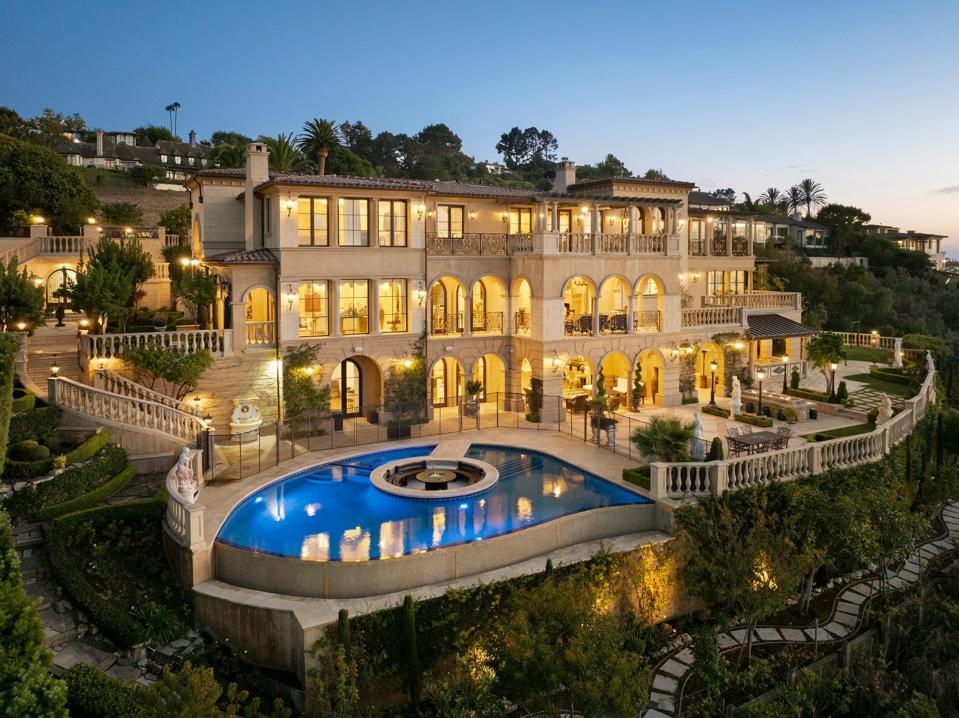
Ask to see how the lighting scenes work. A luxury home should have preset modes for different times of day or activities. The climate system should adjust quietly and efficiently, maintaining comfort without loud HVAC noise.
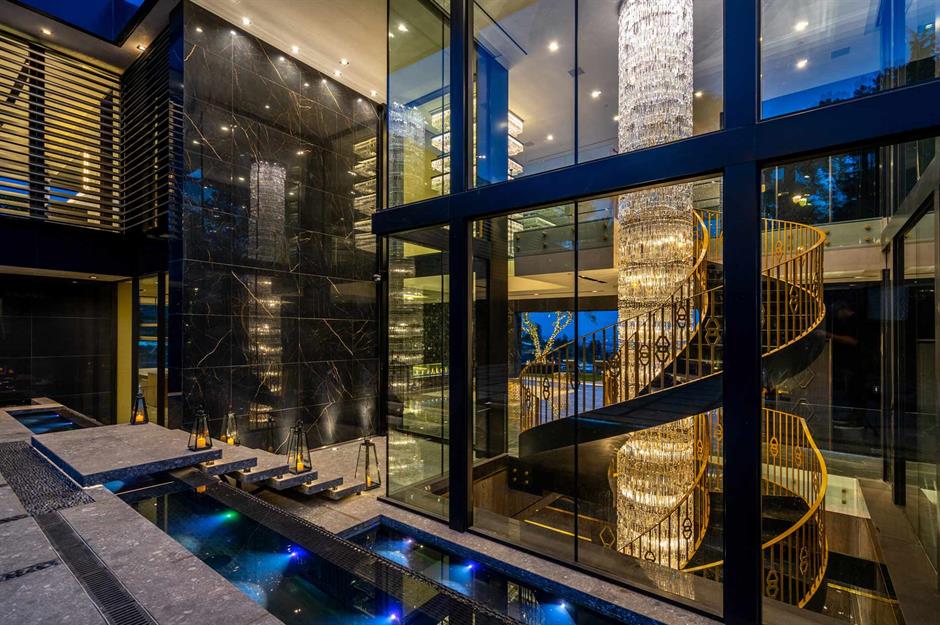
Look for hidden speakers and screens. In a high-end home, technology is concealed until needed. The audio system should cover the entire room evenly, and the visual system should be large but unobtrusive when off.
Verify the property's location and privacy standards
Luxury is defined as much by what surrounds the estate as by what sits within its walls. A mansion in a dense urban center offers convenience, but true exclusivity often demands isolation. You must evaluate the neighborhood's security infrastructure and the property's ability to remain unseen.
Assess neighborhood security
The safest neighborhoods are not just those with low crime rates, but those with proactive surveillance and private policing. Look for gated communities with 24/7 manned checkpoints and biometric access controls. In areas like Beverly Hills or Monaco, the presence of private security firms and discreet patrols is standard for high-net-worth individuals.
Evaluate privacy measures
Privacy is the ultimate luxury asset. Check for perimeter fencing, motion-activated lighting, and hidden cameras. Landscaping should include tall hedges or natural barriers that block street view. Consider the proximity to public roads; estates set back from the street with winding, private driveways offer significantly more seclusion than those with direct frontage.
Check for exclusivity
Exclusive neighborhoods often have strict zoning laws that prevent overcrowding or incompatible developments. This ensures that the character of the area remains consistent and that neighbors respect boundaries. Research local regulations regarding noise, construction, and public access to ensure the location maintains its serene atmosphere.
See the scale and detail in action
Visual proof helps you understand the scale and detail that define modern luxury. This curated tour showcases the interior design of a top-tier modern mansion, highlighting the craftsmanship and spatial flow.
Use this checklist before evaluating any mega mansion
Before committing to a viewing or a valuation, run the property through this five-point audit. Luxury real estate is defined by scarcity and precision; if the fundamentals don't align, the price tag is just decoration.
-
Verify title and zoning for unrestricted expansion
-
Confirm architectural provenance and preservation status
-
Audit mechanical systems (HVAC, smart home, security)
-
Assess privacy buffers and neighboring sightlines
-
Review HOA restrictions or historical landmark limits
This list prevents you from falling in love with a facade. A $50 million home with poor sightlines or restrictive zoning is a liability, not an asset. Use this framework to separate true mega mansions from oversized houses with fancy names.
No comments yet. Be the first to share your thoughts!