

Spot the modern materials
Atlanta’s newest mega mansions are defined by a specific material palette that prioritizes permanence and texture over traditional ornamentation. The trend moves away from stucco and vinyl toward raw, industrial-grade finishes that age gracefully. Two materials dominate the exterior facades of these luxury estates: board-formed concrete and charred wood.
Board-formed concrete has become the standard for modern luxury in Buckhead and Atlanta’s broader suburbs. Unlike poured concrete that is smoothed or painted, board-formed concrete is cast directly against wooden formwork. This process leaves a distinct, horizontal wood grain pattern on the cured surface, blending the warmth of timber with the structural integrity of stone. The result is a facade that feels monolithic yet organic, providing a neutral canvas that contrasts sharply with expansive glass walls.
Charred wood, often referred to by its Japanese technique name shou sugi ban, is the second defining element. This process involves burning the surface of cedar or other hardwoods to create a charcoal layer that protects against rot, insects, and fire. In Atlanta’s humid climate, this treatment is both aesthetic and practical. The deep black or dark brown tones of charred siding offer a striking visual counterpoint to the light gray of board-formed concrete, creating a high-contrast, sophisticated exterior.

These materials are not merely decorative; they signal a shift toward low-maintenance, high-durability construction. The combination of board-formed concrete and charred wood creates a timeless look that resists the fleeting trends of traditional residential architecture.
Check the glass walls
Floor-to-ceiling glazing in Atlanta’s 2026 mega mansions does more than flood rooms with light; it erases the boundary between the interior and the landscape. These structures treat the outdoors as an extension of the living room, using massive, seamless glass panels to create a continuous visual flow. When you stand in a great room, the view of the Atlanta skyline or the surrounding greenery becomes the primary artwork, shifting with the time of day and season.
The architecture relies on minimal framing to maximize transparency. Slim, often black or charcoal-colored mullions hold expansive sheets of glass, ensuring the structure itself recedes from view. This design choice allows natural light to penetrate deep into the home, reducing the need for artificial lighting during the day and creating an airy, open atmosphere that feels significantly larger than its square footage suggests.
1. Assess the frame profile
Look closely at the edges of the glass panels. High-end installations use slim-profile frames to minimize visual obstruction. Thicker frames can chop up the view and make the space feel compartmentalized rather than expansive.
Examine the vertical and horizontal bars holding the glass. In premium mega mansions, these mullions are often no wider than two inches, allowing the glass to dominate the visual field. If the frames are bulky, the connection to the outdoors feels interrupted.
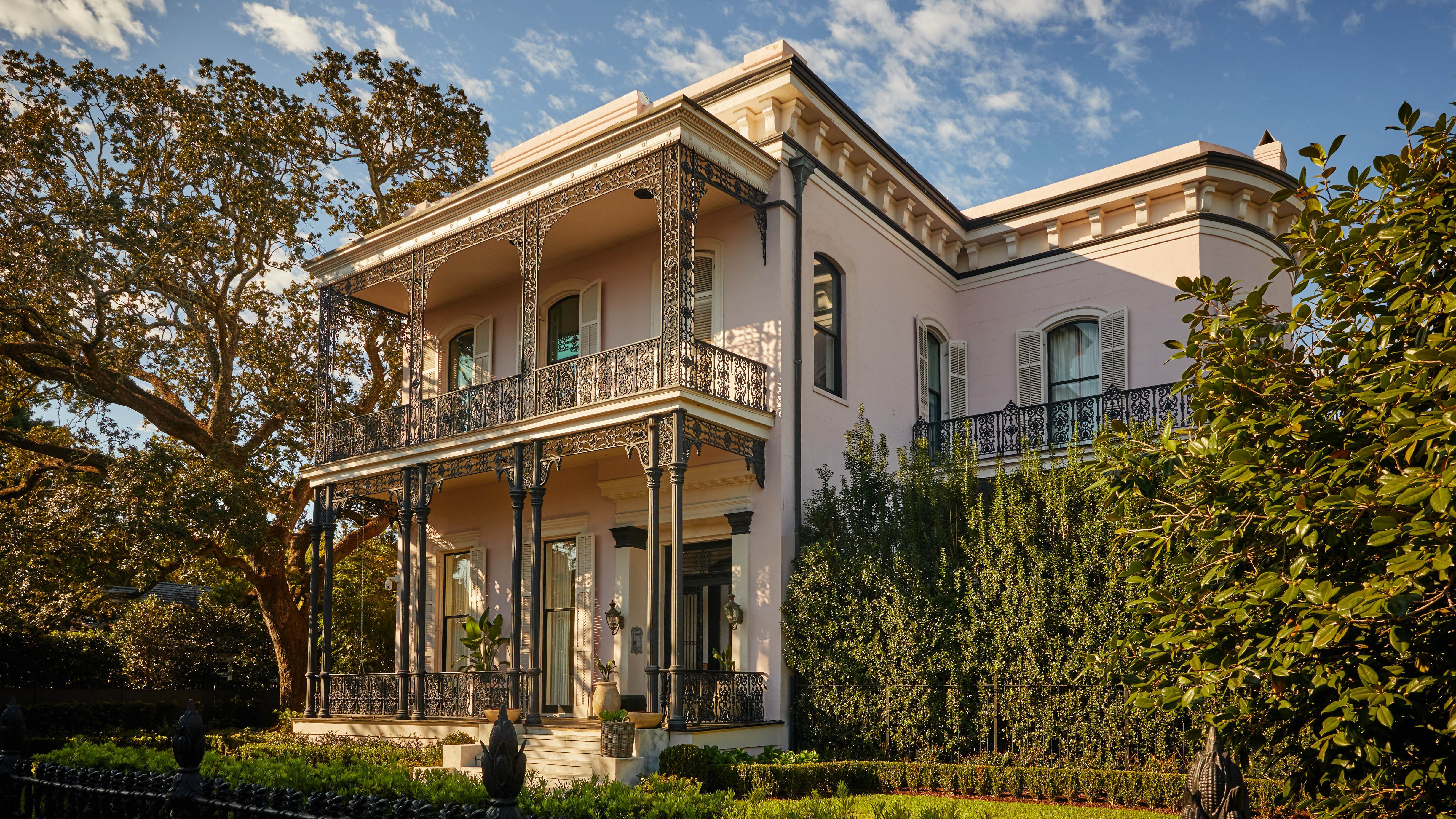
Walk toward the glass. There should be no significant threshold or step up. Look for flush sliding doors or pivot doors that sit level with the flooring, ensuring you can walk from the interior to the terrace without breaking stride.
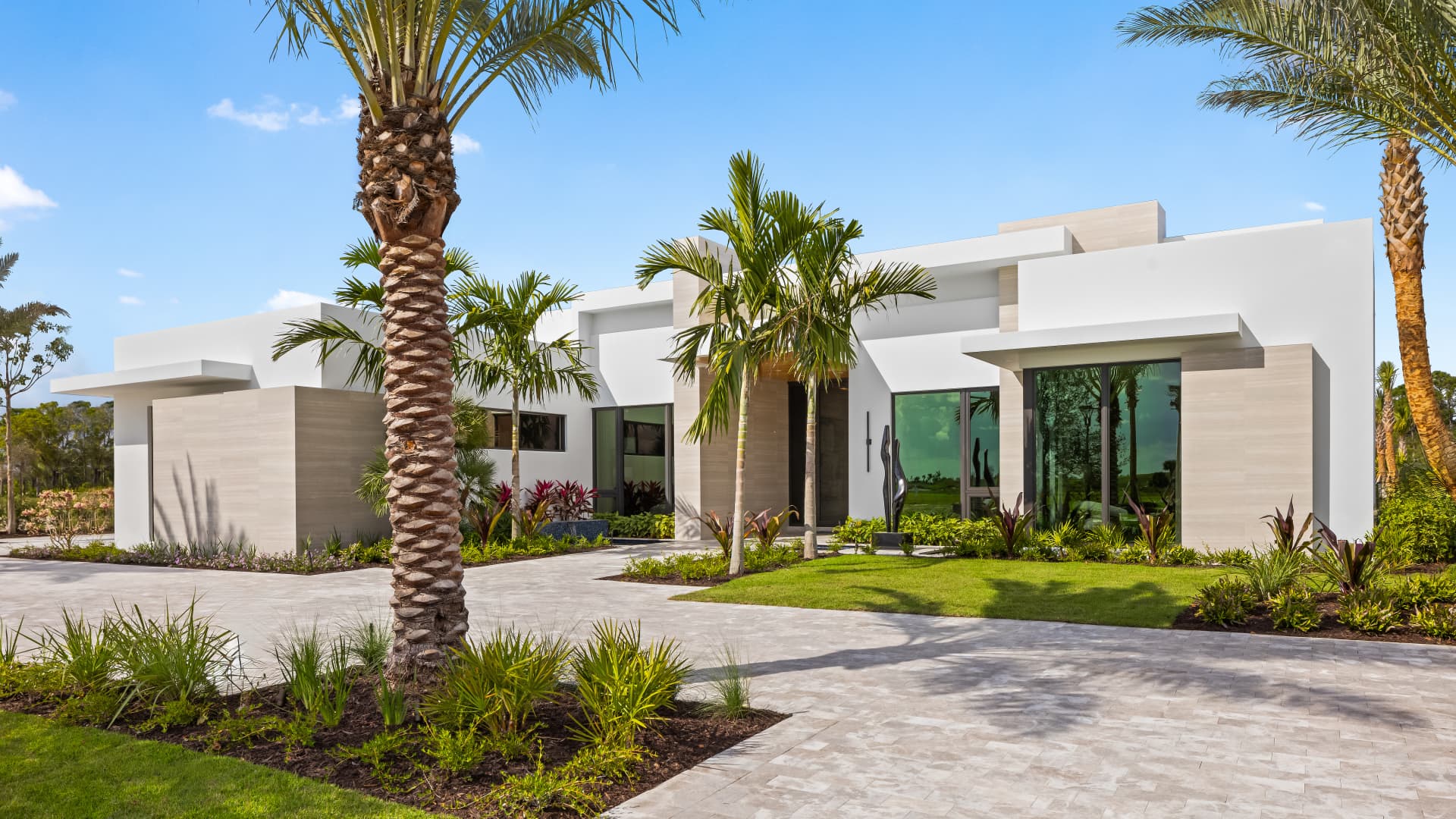
Stand back and look through the glass. The panels should be optically clear, free of warping or greenish tints that can distort the natural colors of the landscape. High-quality low-iron glass is often used to maintain true color perception.
2. Verify the structural integrity
Large glass walls require robust engineering to support their weight and withstand wind loads. Check for hidden structural supports or reinforced headers above the glass that might compromise the ceiling height or aesthetic flow.
3. Test the thermal performance
Despite their size, these glass walls must maintain the home's energy efficiency. Look for double or triple-pane glazing with low-emissivity (Low-E) coatings. These coatings reflect heat while allowing light to pass through, keeping the interior cool in the summer and warm in the winter.
4. Observe the privacy controls
Transparency is a double-edged sword. Check if the glass walls have integrated blinds, smart tinting, or frosted sections that can be activated electronically. This allows residents to maintain the open feel during the day while ensuring privacy at night or when entertaining.
Look for smart tech
The luxury market in 2026 has moved past standalone gadgets. Today’s mega mansions rely on integrated home automation systems that function as a single, invisible nervous system. Buyers should look for properties where climate, security, lighting, and entertainment are managed through a unified platform rather than a collection of competing apps.
In a well-executed smart home, the technology recedes into the background. When you enter a room, the lighting adjusts to your preferred brightness, the shades lower to block the afternoon glare, and the thermostat anticipates your comfort needs before you even feel the temperature shift. This level of integration requires robust infrastructure, typically wired for high-speed data throughout the entire property to handle the massive bandwidth of dozens of connected devices.
When touring a listing, ask for a live demonstration of the central control panel. A true smart home responds instantly to voice commands or mobile inputs without lag. Look for systems that allow you to create complex scenes—such as a "movie mode" that dims lights, closes shades, and activates the surround sound with a single touch. If the system feels clunky or requires multiple steps to perform basic tasks, it is a sign of poor integration that will only become more frustrating over time.
Verify the land size
In Atlanta’s mega mansion market, acreage is the primary driver of privacy and prestige. A sprawling estate on five acres offers a level of seclusion that a half-acre lot simply cannot match, shielding residents from the noise and sightlines of neighboring properties.
When evaluating these luxury homes, look for properties with substantial green space. This buffer zone allows for expansive grounds, including private tennis courts, equestrian facilities, or extensive landscaping that enhances the property's exclusivity.
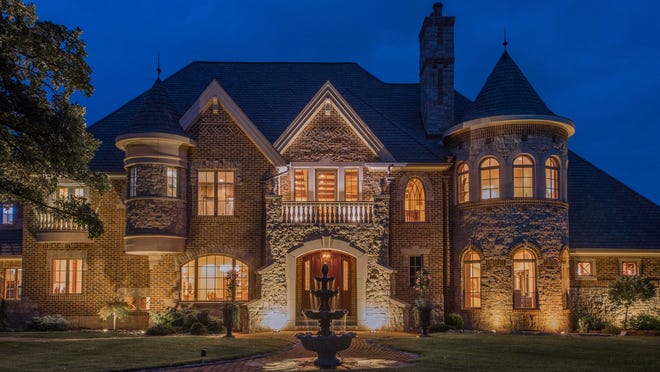
Watch the Video Tour
This walkthrough highlights the scale and design details of a representative modern mega mansion. The video showcases the flow between interior spaces, emphasizing how these properties balance grandeur with livability.
Spotting the difference between luxury and overbuilt
Not every sprawling estate qualifies as a true mega mansion. The line between refined luxury and sheer excess often comes down to proportion, material quality, and how the space serves daily life. When developers prioritize square footage over design integrity, the result is a structure that feels more like a warehouse than a home.
The most common pitfall is confusing size with sophistication. A 15,000-square-foot house with cheap finishes and poor flow is not luxury; it is just large. True mega mansions in Atlanta’s 2026 market balance scale with thoughtful details: custom millwork, high ceilings that feel airy rather than cavernous, and layouts that encourage natural light. Overbuilt structures often lack these human-centric touches, resulting in cold, impersonal spaces that are difficult to maintain.
Another frequent error is ignoring the site’s context. A mansion that dominates its lot without regard for landscaping or neighborhood scale can feel out of place, reducing its long-term value. Look for homes where the architecture complements the terrain, not one that fights it. Proper integration with the environment is a hallmark of enduring luxury, whereas overbuilt homes often appear as afterthoughts.
To avoid these traps, evaluate each property with a critical eye. Focus on the quality of construction, the coherence of the design, and the practicality of the layout. If a home feels overwhelming or poorly executed, it likely falls into the overbuilt category. Prioritize homes that demonstrate a clear vision and attention to detail, ensuring you invest in a residence that stands the test of time.
Find your next home
Start with Atlanta’s established luxury enclaves. Buckhead offers the highest concentration of mega mansions, featuring gated estates near Lenox Park. Druid Hills provides historic charm with sprawling lots, while Tuxedo Park remains a quiet, exclusive pocket for buyers seeking privacy.
For new construction, look toward the northern suburbs. Johns Creek and Milton have seen a surge in custom builds, offering modern amenities on larger acreage. These areas attract buyers who prioritize space and newer infrastructure over historic character.
Engage a local specialist. General agents often lack the off-market networks required for properties over $5 million. A buyer’s agent with a focus on luxury real estate can access listings before they hit public portals, giving you a critical edge in this competitive market.
No comments yet. Be the first to share your thoughts!