
Define your luxury criteria
Before touring luxurious mansions, narrow the field by identifying non-negotiables. The global high-end market is vast; without specific parameters, search fatigue sets in quickly. Start by defining how you intend to use the space. In Atlanta, buyers often prioritize extensive grounds for privacy and equestrian facilities, treating the estate as a private sanctuary. Conversely, in Japan, the focus shifts to seismic resilience and integration with mountainous terrain.
Your architectural preference must align with these functional requirements. Do you need a modern glass structure for entertaining, or a historic stone manor for quiet reflection? Write down your top three priorities, such as a specific number of bedrooms, a dedicated wine cellar, or proximity to international airports. Locking in these details early streamlines the search, ensuring every property you tour is a genuine contender.
Use specialized search platforms
General real estate portals rarely capture the full scope of the ultra-luxury market. Mansion listings often remain off-market or are hosted on niche platforms catering to high-net-worth buyers. Bypass standard filters and use specialized search platforms designed for luxury inventory.
Start with Mansion Global and JamesEdition. These sites aggregate listings from top-tier agencies worldwide. Mansion Global is particularly strong for international properties, while JamesEdition often features exclusive, high-value estates not found on general sites. For example, a search might reveal a 50,000-square-foot estate in Atlanta’s Buckhead district or a traditional Japanese shoin-zukuri mansion in Kyoto’s Higashiyama district—properties rarely indexed by mainstream aggregators.
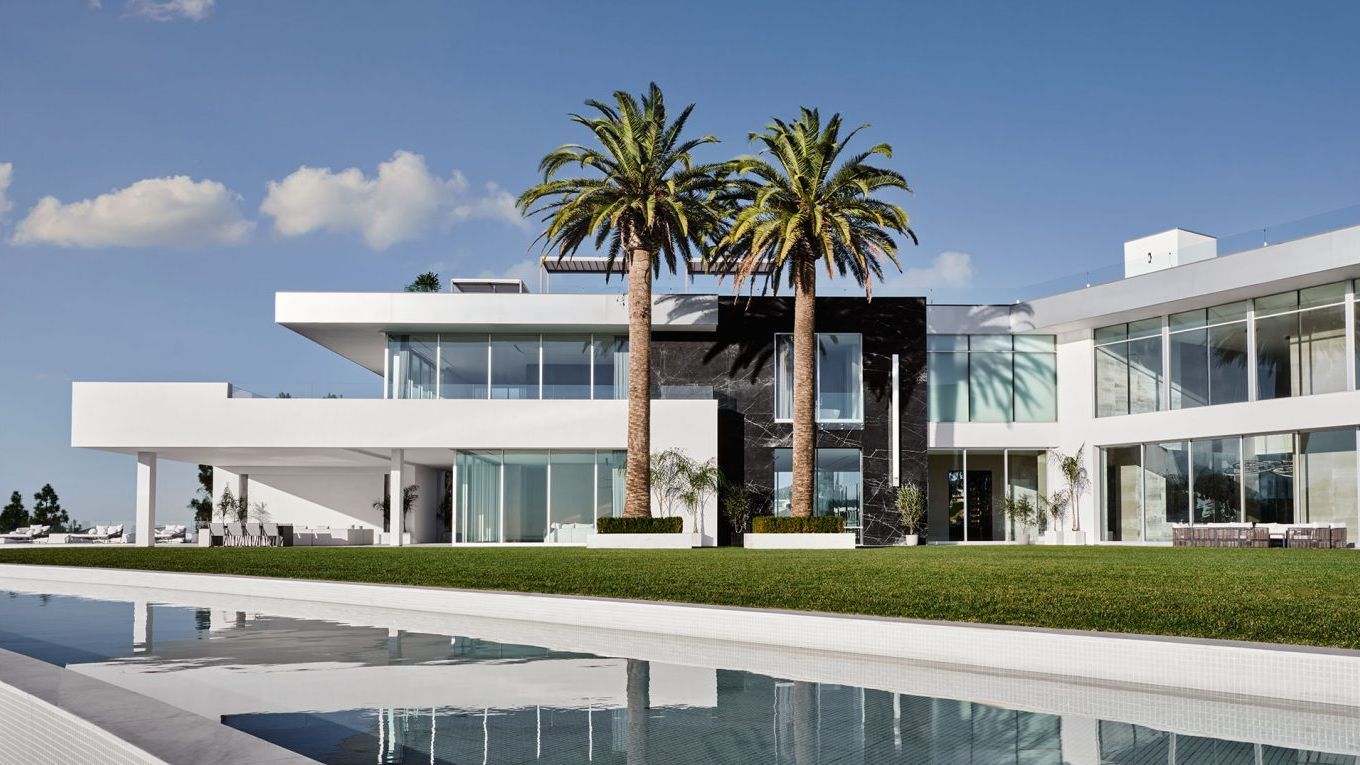
When comparing these tools, focus on filter depth. Specialized platforms allow searches by specific luxury amenities like private theaters, wine cellars, or helipads, which are often missing from basic interfaces. This precision saves time and ensures you view only properties meeting your exact criteria.
| Platform | Primary Focus | Best For |
|---|---|---|
| Mansion Global | Global Luxury News & Listings | International high-end inventory |
| JamesEdition | Ultra-High-Net-Worth Assets | Exclusive, off-market estates |
| Zillow Luxury | Broad Market Filters | General luxury home search |
Explore key global markets
Finding the right luxurious mansion requires looking beyond local borders. Impressive estates often cluster in markets with distinct architectural identities. By focusing on specific regions, you can identify properties aligning with your lifestyle, whether that means tech-integrated modernism or traditional craftsmanship.
Atlanta’s tech-driven estates
Atlanta has emerged as a hub for high-tech luxury living. These mansions are not just large; they are smart. Homes in areas like Buckhead and Sandy Springs often feature integrated home automation, private cinemas, and resort-style amenities. The architecture leans toward contemporary designs with clean lines and expansive glass, reflecting the city’s status as a major tech and business center.
When touring, look for seamless technology integration. The best examples offer intuitive control over lighting, climate, and security without cluttering the aesthetic. This market appeals to buyers who value efficiency and modern convenience alongside traditional luxury.

Focus on established areas like Buckhead, where many new construction estates are located. These neighborhoods offer proximity to high-end shopping and dining, complementing the private nature of the homes. Use local luxury listings to gauge price points and square footage trends.

During tours, test the smart home systems. Ensure automation features are reliable and not just gimmicks. Look for homes with dedicated server rooms or advanced wiring that supports future upgrades. This due diligence prevents costly retrofits later.
Japan’s design-focused homes
In contrast, Japan offers luxury rooted in design, materiality, and space. Mansions in Tokyo or Kyoto often prioritize minimalism, natural light, and high-quality craftsmanship over sheer size. These homes are architectural statements, often designed by renowned architects blending traditional Japanese aesthetics with modern living needs.
The appeal here is tranquility and precision. Interiors are often open and airy, with a focus on indoor-outdoor flow. Gardens and courtyards are integral to the design, providing private green spaces in dense urban environments. This market suits those who value artistic expression and a serene living environment.
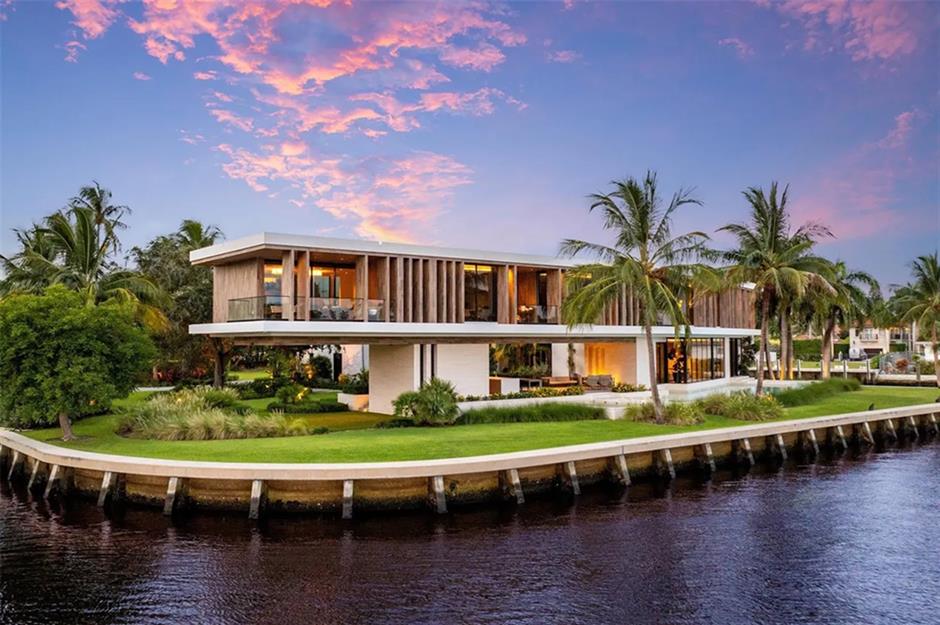
Look for listings in areas known for architectural significance, such as certain parts of Tokyo’s Minato ward or Kyoto’s historic districts. These areas often have stricter zoning that preserves aesthetic integrity, ensuring the neighborhood complements the mansion’s design.
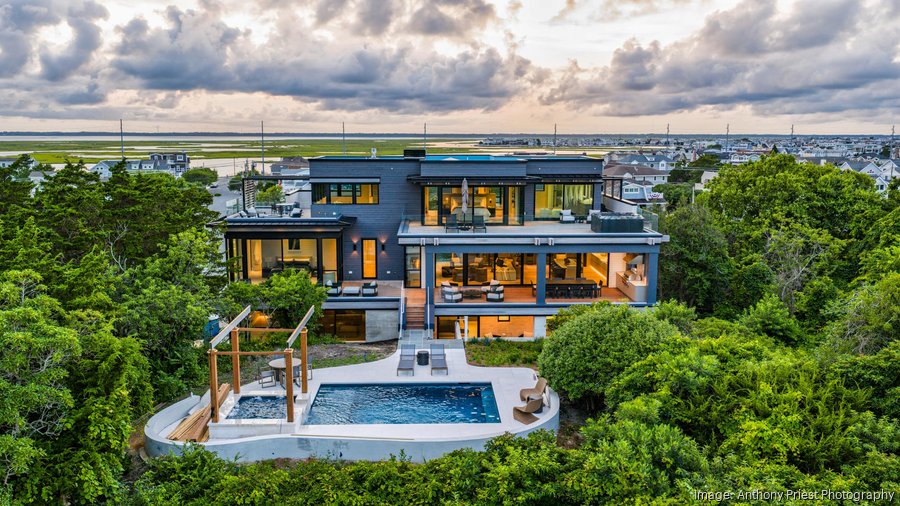
Examine the construction quality closely. In Japan, luxury is often defined by the finish and durability of materials like wood, stone, and paper screens. Verify that the home has been maintained to high standards, as traditional materials require specific care and expertise.
Comparing the approaches
Choosing between these markets depends on your priorities. Atlanta offers scale, technology, and a fast-paced lifestyle. Japan offers design, tranquility, and cultural depth. Both provide exceptional value, but in different ways. Consider visiting both markets to experience the lifestyle differences firsthand before making a decision.
Schedule private property tours
Touring a luxury mansion requires a structured approach to access and evaluation. High-end properties operate on a different logistical plane, where privacy protocols and local market nuance dictate the experience. You are entering a secured environment that often requires vetting before the first step is crossed.
1. Vet your agent and schedule in advance
Private listings rarely appear on public feeds. You need a buyer’s agent with a track record in the specific luxury tier you are targeting. In Atlanta, agents often coordinate tours for neighborhoods like Buckhead or Sandy Springs through exclusive networks rather than open MLS listings. In Japan, where privacy norms are stringent, securing a viewing often requires formal introductions through established local brokers who understand the cultural protocols of high-net-worth homeowners. Do not attempt to walk up to a gated estate; the security team will turn you away.
Confirm your agent has recent transaction history in the target neighborhood. In markets like Atlanta, local expertise is non-negotiable for navigating the specific security gates and private road systems common in luxury enclaves. Ensure they have direct lines to listing agents who control the schedule.
Most high-end estates require photo ID and sometimes proof of funds or pre-approval letters before granting access. This is a standard security protocol. In Japan, this process is often more formal, requiring detailed introductions and sometimes written consent from the property management firm to ensure the visitor’s background is clear.
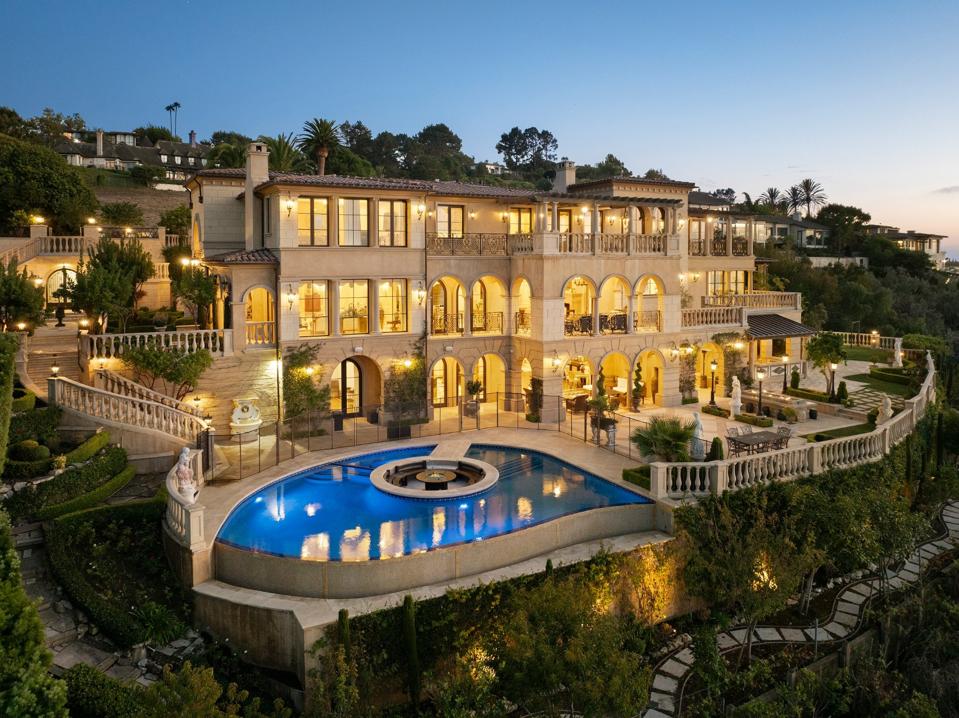
Bring a tailored checklist that goes beyond aesthetics. Assess the condition of smart home systems, the acoustic isolation of private rooms, and the efficiency of climate control in large spaces. In luxury markets, the mechanical infrastructure is as critical as the architecture. Take photos only if explicitly permitted, as many estates prohibit recording to protect the owner’s privacy.
2. Respect the property and its systems
Once inside, your behavior reflects on your seriousness as a buyer. These homes are often equipped with complex integrated systems for security, lighting, and climate. Ask your agent to demonstrate these features rather than experimenting with them yourself. In Atlanta’s luxury market, properties may feature private theaters or wine cellars with specialized humidity controls that require careful handling. Similarly, in Japan, traditional estate homes may have delicate sliding doors or garden layouts that require specific knowledge to appreciate fully.
3. Debrief and document immediately
After the tour, review your notes while the details are fresh. High-end properties can feel similar from the outside, but the differences in layout, light, and privacy are subtle. Discuss any concerns with your agent immediately. If the security protocols felt invasive or the agent was unprepared, consider it a red flag for the entire transaction process. A smooth tour is the first indicator of a smooth closing.
Verify architectural authenticity
Luxury real estate often relies on a veneer of grandeur that masks structural shortcuts. Distinguishing a genuine architectural marvel from a hollow shell requires looking past the marble and into the bones of the home. Authenticity is measured in materials, craftsmanship, and the integrity of the original design intent.
Start by examining the foundation and framing. In Atlanta, historic estates like those in Buckhead often feature stone foundations and heavy timber framing that have withstood decades of humidity. Compare this to newer builds that may use engineered wood or thinner concrete slabs to cut costs. The weight and texture of the materials should feel substantial, not lightweight or synthetic.
Next, inspect the joinery and millwork. Authentic luxury homes showcase hand-finished details. Look for dovetail joints in cabinetry, intricate crown molding, and solid hardwood floors that show natural grain variation. In Japanese-inspired modern mansions, this translates to precise joinery in cedar and hinoki wood, where metal fasteners are hidden to preserve the natural aesthetic. If the wood feels uniform or plastic-like, it is likely a veneer.
Finally, verify the provenance of the design. A true architectural marvel has a clear lineage. Check if the home was designed by a recognized architect or firm. Review blueprints and historical records to ensure renovations respected the original style. A home that has been gutted and rebuilt without regard for its architectural roots loses its authenticity, regardless of how expensive the finishes are.
Common questions about buying mansions
Acquiring a luxury estate involves unique logistical hurdles that standard residential transactions do not. Buyers often face stricter confidentiality requirements, specialized inspection protocols for complex systems, and international tax implications. Understanding these nuances upfront prevents costly delays and ensures a smooth acquisition process.
No comments yet. Be the first to share your thoughts!