

Luxury mansion market overview
The 2026 landscape for luxurious mansions reveals a distinct split between established coastal hubs and emerging secondary markets. Traditional centers like New York and Los Angeles continue to anchor the highest price tiers, yet transaction volumes have cooled compared to the pandemic-era peaks. Buyers are exercising greater caution, focusing on properties with clear value retention rather than speculative appreciation.
The divergence is most visible in inventory levels. While premium listings remain abundant in major metros, the days on market for ultra-luxury properties have lengthened. This shift has empowered buyers to negotiate on features that no longer align with modern preferences, such as excessive square footage without efficient layouts. Meanwhile, emerging luxury markets in the Southeast and Mountain West are seeing increased interest from buyers seeking lower tax burdens and higher quality of life metrics.
Global wealth migration patterns are also influencing local demand. High-net-worth individuals are diversifying their real estate portfolios across borders, making international connectivity and visa pathways critical factors in location selection. This trend supports markets that offer both luxury amenities and favorable regulatory environments, creating a more complex but potentially more stable investment landscape for discerning buyers.
Atlanta skyscrapers redefine urban luxury
Atlanta is shedding its suburban skin. The city’s skyline is no longer just a backdrop; it is the destination. Developers are pushing vertical boundaries, transforming high-rises into vertical estates that prioritize privacy, views, and architectural precision. This shift marks a departure from the sprawling estates of the past, offering a new paradigm for urban luxury living.
At the heart of this transformation is the premium placed on the skyline. Residents are no longer buying square footage alone; they are purchasing a curated perspective of the city. Floor-to-ceiling glass walls dissolve the barrier between interior and exterior, framing Atlanta’s evolving horizon as a living artwork. These views are not merely aesthetic—they are the primary asset driving value in these new developments.
Architectural innovation supports this vertical ambition. Modern luxury towers employ advanced engineering to maximize natural light and airflow while maintaining strict acoustic isolation from the streets below. Materials like brushed bronze, stone, and smart glass create textures that age gracefully, ensuring the buildings remain desirable decades after completion. The focus is on creating structures that feel grounded despite their height.
The market reflects this demand. As interest in vertical living grows, so does the valuation of these premium units. Investors and buyers alike are recognizing that Atlanta’s skyline represents a tangible shift in lifestyle preferences.
This vertical evolution signals a broader trend in real estate. As cities densify, the most luxurious properties will likely be those that best integrate with the urban fabric rather than retreat from it. Atlanta is leading this charge, proving that height can be synonymous with prestige.
Japanese Zen Retreats Gain Global Appeal
The global luxury market is witnessing a quiet shift away from Western opulence toward the minimalist serenity of Japanese zen retreats. As mega mansions in the West often prioritize grandeur and excess, a new breed of ultra-high-net-worth buyers is seeking tranquility, simplicity, and a deep connection to nature. This trend is particularly evident in Japan, where traditional aesthetics meet modern architectural innovation.
The Rise of Minimalist Mega Mansions
Japanese zen-inspired mega mansions are characterized by their clean lines, natural materials, and seamless integration with the surrounding landscape. These homes often feature tatami rooms, sliding shoji screens, and meticulously curated zen gardens that serve as sanctuaries from the chaos of modern life. Unlike the sprawling, ornamented estates common in Europe or the United States, these residences emphasize space, light, and the interplay of indoor and outdoor environments.
This design philosophy resonates with buyers who value mental clarity and emotional well-being over sheer size. The focus is on quality of space rather than quantity. A single, perfectly proportioned room with a view of a moss garden can hold more appeal than a dozen ornate chambers. This approach reflects a broader cultural appreciation for wabi-sabi, the acceptance of transience and imperfection, which adds a layer of philosophical depth to the living experience.
Contrasting Aesthetics: Zen vs. Western Opulence
The contrast between Japanese zen retreats and Western luxury estates is stark. Western mega mansions often showcase wealth through marble floors, crystal chandeliers, and extensive decorative elements. In contrast, Japanese zen homes use wood, stone, and paper to create a sense of warmth and authenticity. The absence of clutter is not a lack of luxury but a deliberate choice to elevate the everyday experience.
This shift is not just aesthetic; it is a response to the increasing pace of global urban life. Buyers are looking for homes that offer a retreat from stress, a place where mindfulness can be practiced daily. The minimalist design of zen retreats facilitates this by removing visual noise and encouraging a slower, more intentional way of living.
Market Demand and Future Outlook
Demand for these properties is rising, driven by a global clientele seeking unique, culturally rich living experiences. Real estate platforms like JamesEdition have noted an increase in interest for properties that blend traditional Japanese design with modern amenities. This trend is expected to grow as more people prioritize well-being and sustainability in their home choices.
The appeal of Japanese zen retreats lies in their ability to offer a profound sense of peace and balance. As the luxury market continues to evolve, these minimalist sanctuaries are likely to become increasingly sought after, representing a new standard of luxury that values inner calm over external display.
Comparing top global luxury markets
The global luxury real estate landscape fractures into distinct ecosystems. New York City remains the heavyweight champion for volume and liquidity. Atlanta offers a surprising value play for high-net-worth buyers seeking space. Japan presents a unique, albeit complex, opportunity driven by currency weakness and aging inventory.
To understand where capital flows, we must look beyond headline prices. Price per square foot, inventory depth, and buyer demographics tell the real story of each market's health and potential.
| Market | Est. Price/Sq Ft | Luxury Inventory | Primary Buyer Profile |
|---|---|---|---|
| New York City | $2,500+ | High (58k+ listings) | Domestic & International UHNW |
| Atlanta | $600-$1,200 | Moderate | Domestic Relocations |
| Tokyo | ¥800k-¥1.5M (~$5k-$10k) | High (Aging Stock) | Foreign Investors (FX-driven) |
New York City’s inventory, often exceeding 50,000 luxury listings, provides unparalleled choice but also intense competition. Buyers here are often navigating complex co-op boards and high closing costs. The market is less about affordability and more about status and asset preservation.
Atlanta operates on a different axis. With price per square foot significantly lower than coastal hubs, it attracts domestic buyers seeking larger footprints and modern amenities. The demographic is shifting toward younger, tech-driven professionals moving from higher-cost states.
Tokyo’s luxury market is currently buoyed by the weak yen. Foreign buyers are snapping up high-end properties in Minato and Chuo wards, viewing them as discounted assets. However, the inventory consists largely of aging buildings, requiring buyers to factor in renovation costs and maintenance fees.
Financial preparation for luxury buyers
Buying a mega mansion requires more than liquid cash; it demands a structured financial strategy that accounts for hidden costs and market timing. High-net-worth individuals must navigate complex tax implications, substantial closing fees, and the volatility of the luxury real estate cycle.
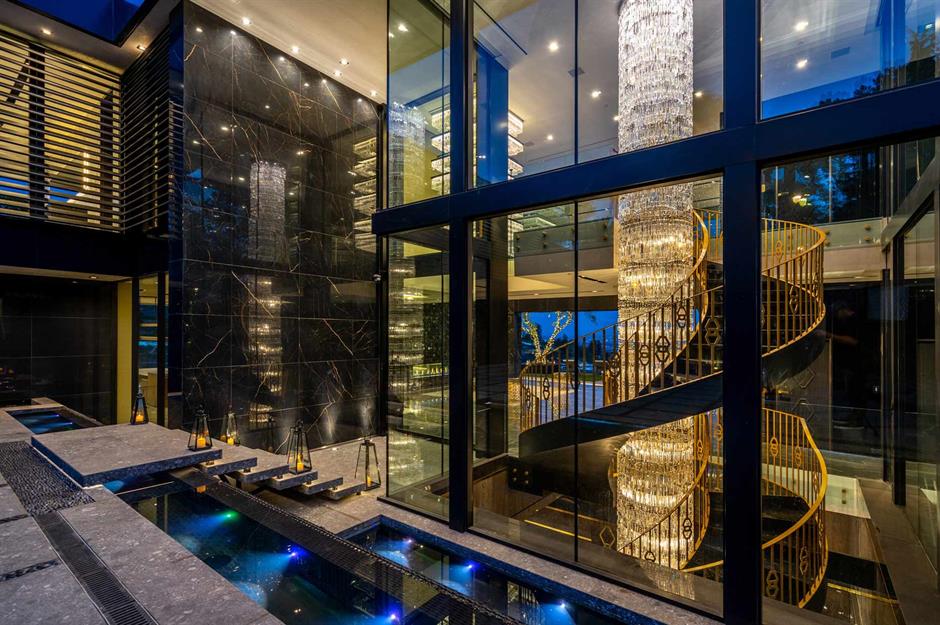
Luxury sellers expect immediate proof of funds. Obtain a pre-approval from a private bank or mortgage lender specializing in jumbo loans. For all-cash transactions, provide verified bank statements or letters of credit to demonstrate liquidity without delays.
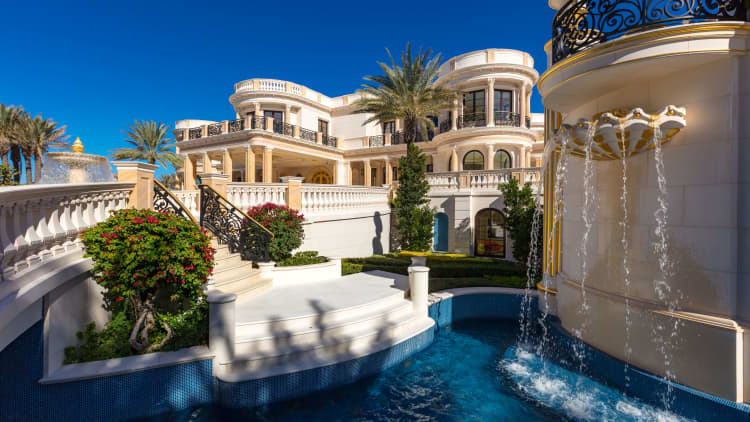
Closing costs on multi-million dollar properties can exceed 2-3% of the purchase price, plus significant transfer taxes in jurisdictions like New York or California. Factor in legal fees, title insurance, and appraisal costs into your initial budget to avoid cash flow surprises at settlement.
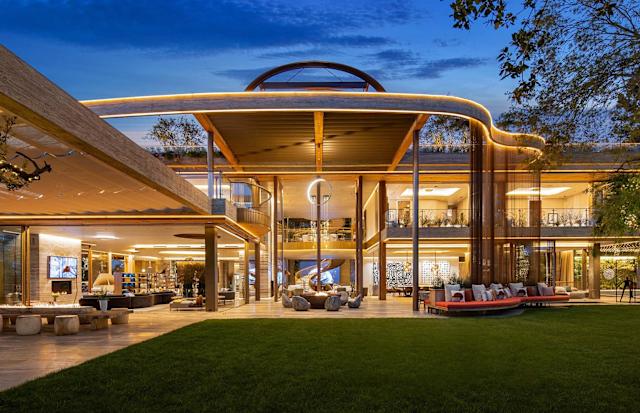
Real estate cycles vary by region, but historically, late fall and winter months see less competition and potentially lower prices as motivated sellers seek to close before year-end. Avoid bidding wars during peak spring inventory surges unless the property is unique.
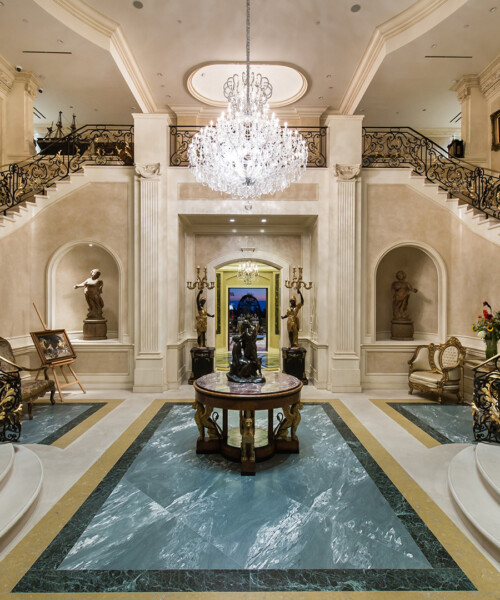
Work with agents who have proven track records in the ultra-high-net-worth sector. They provide off-market opportunities, negotiate complex terms, and coordinate with tax advisors to structure the deal efficiently.
The chart above illustrates recent trends in luxury real estate investment trusts (REITs), which often correlate with broader luxury market sentiment. While not a direct proxy for private mansion sales, it reflects institutional confidence in high-end property assets.
No comments yet. Be the first to share your thoughts!