

5 Architectural Marvels Redefining Luxurious Mansions in 2026
The 2026 luxury mansion landscape shifts from opulent excess to engineered precision, where structural integrity and aesthetic minimalism converge. These five architectural innovations demonstrate how specific design elements—such as parametric facades and integrated biophilic systems—are redefining high-end residential standards.
-
The glass cliffside retreat in Malibu
Perched precariously above the Pacific, this structure dissolves the boundary between interior living and the rugged coastline. Floor-to-ceiling cantilevered glazing offers unobstructed 180-degree ocean views while maintaining thermal efficiency through advanced low-E coatings. The minimalist concrete base anchors the home to the steep terrain, creating a dramatic floating effect that defies traditional gravity-bound architecture. This design prioritizes transparency and structural daring over enclosed comfort. -
Manhattan's vertical palace on Park Avenue
Rising through the historic skyline, this tower reinterprets vertical luxury with a focus on private amenity density. Each floor functions as a standalone penthouse, featuring double-height ceilings and bespoke Italian marble finishes. The facade utilizes bronze-tinted glass to filter harsh midday sun while preserving privacy from street-level observers. Inside, soundproofing technology ensures silence despite the bustling city below, creating a serene, elevated sanctuary for urban elites seeking discretion and grandeur. -
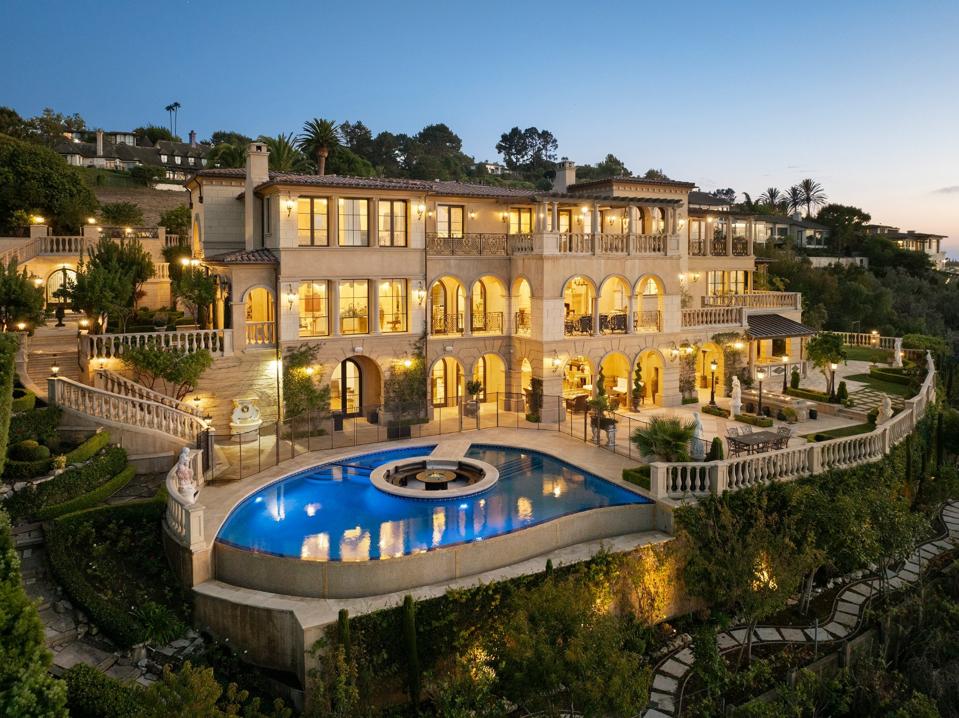
The sustainable eco-mansion in the Alps
Nestled into the snowy slopes, this residence utilizes geothermal heating and locally sourced timber to minimize its carbon footprint. The steeply pitched roof sheds heavy snow loads while housing integrated solar panels that blend seamlessly with the shingles. Large skylights capture low-angle winter sunlight, passively warming the central living space. This home demonstrates how high-end luxury can coexist with rigorous environmental stewardship without sacrificing aesthetic warmth or modern comfort. -

Dubai's futuristic water-edge villa
Sitting on the artificial Palm Jumeirah, this villa features a hydrodynamic concrete shell designed to withstand harsh desert winds and saltwater corrosion. The interior centers around a massive infinity pool that merges visually with the Arabian Gulf. Smart glass walls automatically tint to regulate temperature, reducing energy consumption. The design emphasizes fluid lines and reflective surfaces, creating a seamless transition between the built environment and the surrounding aquatic landscape. -
The historic estate renovation in Tuscany
This project preserves the original 16th-century stone facade while inserting a modern, steel-and-glass core that contrasts sharply with the aged masonry. Inside, exposed wooden beams meet minimalist white walls, highlighting the tension between past and present. The renovation carefully restored the original cisterns and courtyards, integrating them with contemporary plumbing and lighting systems. This approach respects heritage while providing the functional sophistication expected in modern luxury living.
The new era of mega mansions
The definition of a luxury mansion has shifted. It is no longer enough to stack square footage or pile on gold fixtures. In 2026, an architectural marvel is defined by how it interacts with its environment, how it manages energy, and how it adapts to modern living patterns.
These homes prioritize structural integrity and material honesty over ornamentation. Think cantilevered concrete slabs that defy gravity, living walls that filter air, and smart glass that tints automatically with the sun. The goal is a residence that feels like a permanent part of the landscape rather than an object placed upon it.
We are moving past the era of the "palace." The new standard is the "habitat." This means spaces that breathe, structures that last for centuries, and designs that reduce their carbon footprint while maximizing comfort. The following five examples illustrate this shift, showing how architects are redefining the mega mansion through innovation rather than excess.
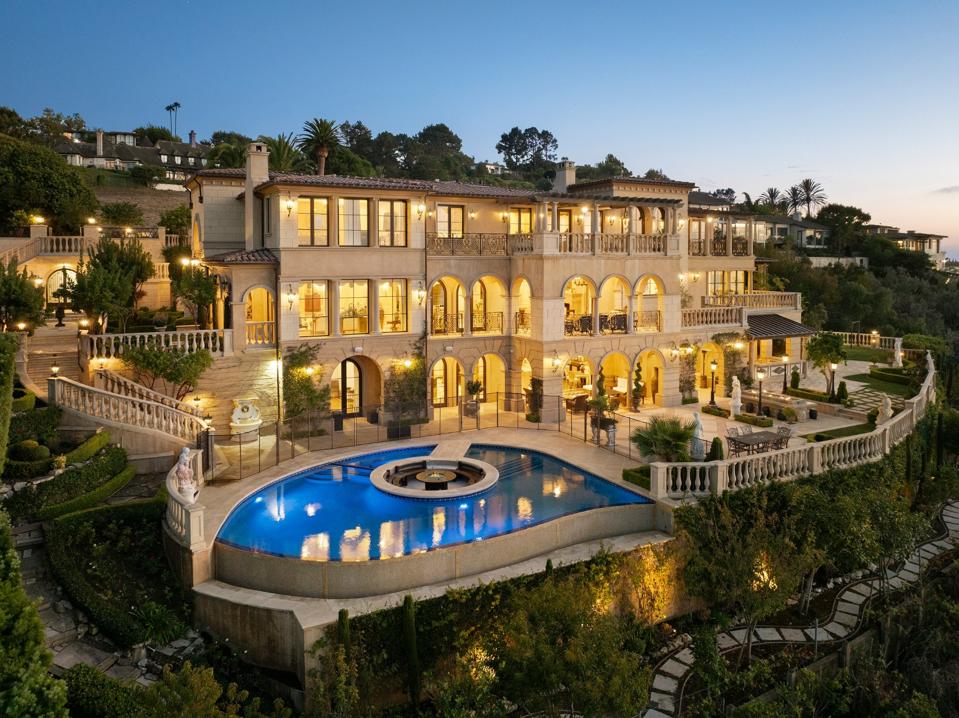
Comparing Key Luxury Features
To understand how architectural marvels are redefining the 2026 luxury market, it helps to look at the specific design elements that drive value. Each mansion style prioritizes different aspects of living, from structural transparency to private amenity density. The table below breaks down five distinct approaches to modern luxury.
| Style | Location | Key Feature | Price Range |
|---|---|---|---|
| Glass Pavilion | Beverly Hills | Floor-to-ceiling smart glass | $50M - $100M |
| Neo-Gothic Revival | Manhattan | Private rooftop helipad | $150M+ |
| Desert Minimalist | Palm Springs | Zero-edge infinity pools | $20M - $40M |
| Waterfront Modern | Miami Beach | Submarine garage | $30M - $60M |
| Alpine Lodge | Aspen | Geothermal heating systems | $25M - $50M |
These features reflect a shift toward privacy and technology. For instance, the Glass Pavilion in Beverly Hills uses automated shading to control heat gain, while the Miami Beach property includes a submarine garage for discreet water access. Understanding these specifics helps you evaluate which architectural approach aligns with your lifestyle.
What to look for in a mega mansion
Evaluating a luxury property requires looking past the marble finishes to the bones of the structure. A true architectural marvel stands up to scrutiny in its engineering, not just its aesthetics. Use this checklist to assess the long-term value and integrity of your potential investment.
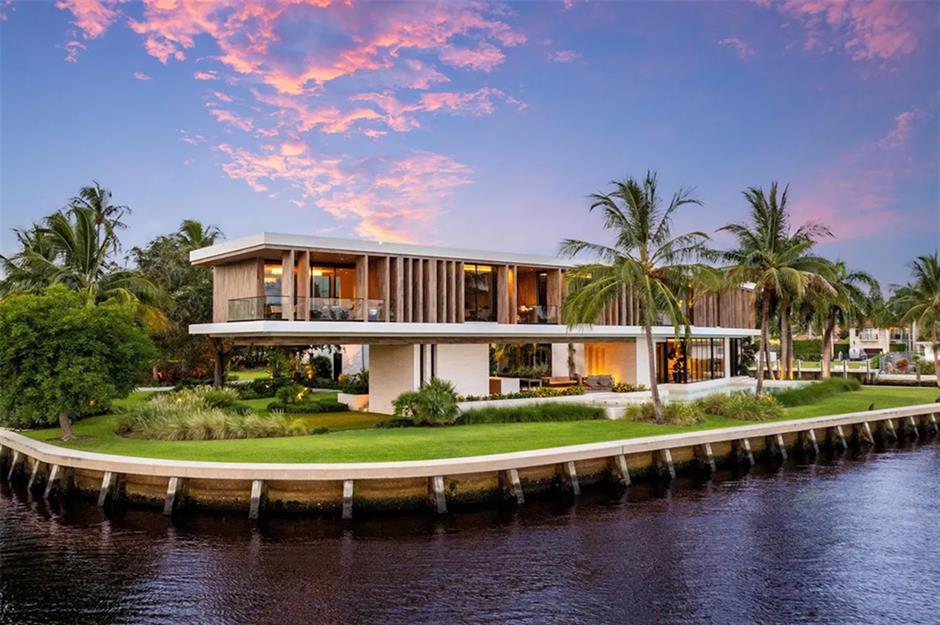
Look for expansive, uninterrupted floor plans that reveal a robust structural system. Large glass facades and cantilevered sections require advanced engineering to maintain stability and prevent settling over time.
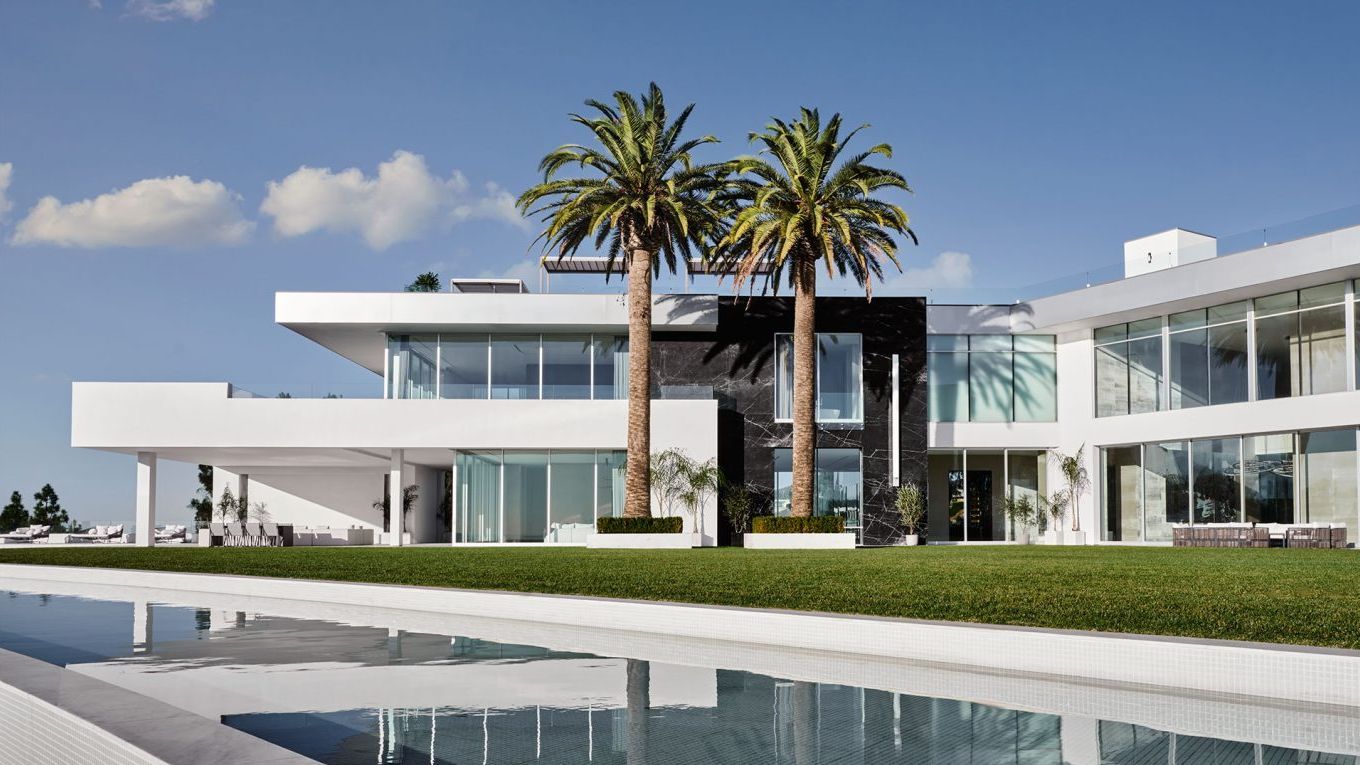
Prime location drives value, but zoning laws dictate what you can actually build. Ensure the property sits on a lot that allows for future expansions or accessory dwelling units without facing legal hurdles.
Luxury amenities should serve a purpose, not just fill space. Evaluate whether the home theater, wine cellar, or spa area is integrated into the home’s utility rather than feeling like an afterthought.
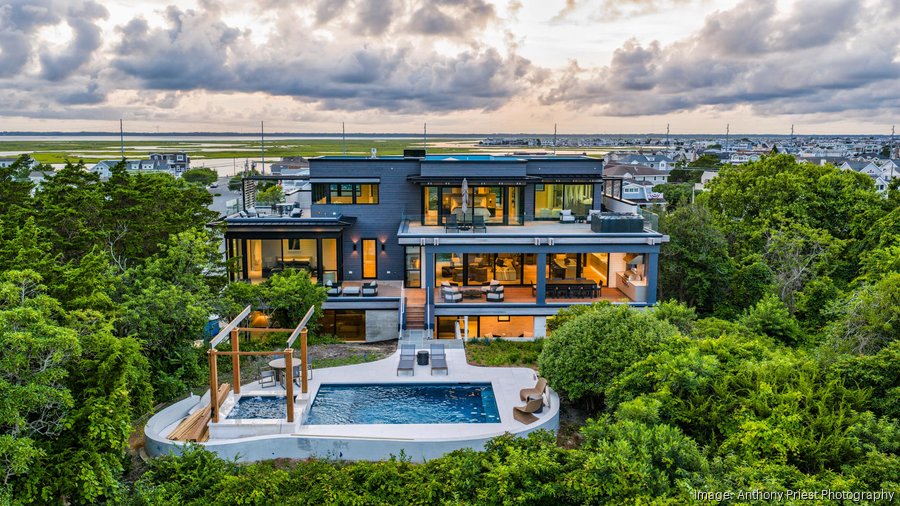
Modern mega mansions often include complex HVAC and smart home systems. Verify that these energy-efficient features are installed by certified professionals and come with comprehensive maintenance plans.
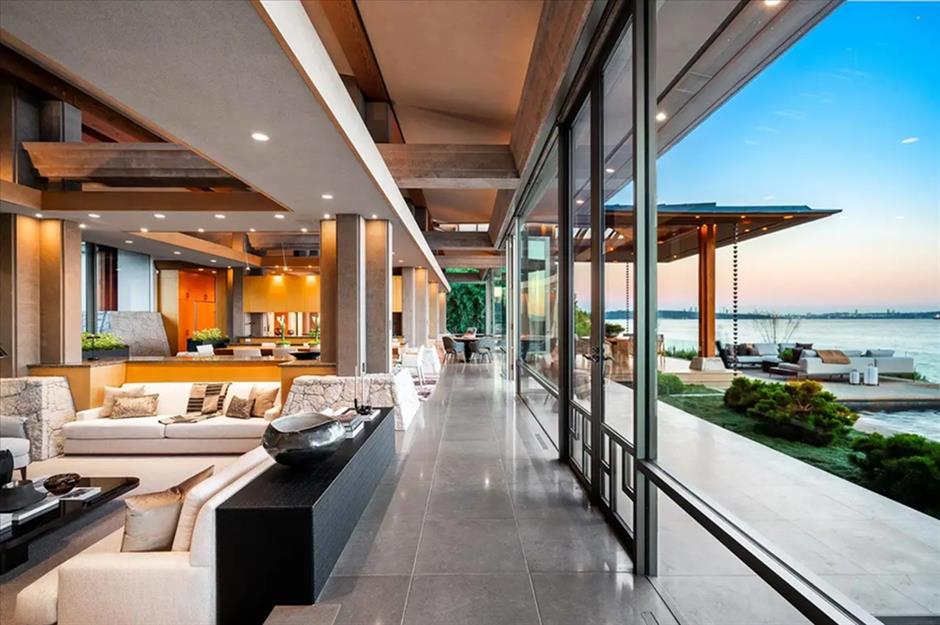
Distinctive design elements protect against market saturation. Look for custom millwork, rare materials, or signature architectural features that cannot be easily replicated by newer developments in the area.
No comments yet. Be the first to share your thoughts!