

The 2026 Luxurious Mansions Market Overview
The 2026 luxurious mansions market is characterized by a distinct bifurcation. While broader residential real estate faces headwinds from elevated interest rates, the ultra-high-net-worth segment has demonstrated resilience, driven by scarcity and asset diversification needs among global buyers. This stability is not uniform; it is heavily concentrated in established luxury hubs and specific geographic enclaves that offer privacy, security, and provenance.
Price volatility in this sector is less about macroeconomic fluctuations and more about localized supply constraints. In markets like Beverly Hills, Miami Beach, and London’s Kensington, inventory remains critically low. This scarcity supports price floors, preventing the sharp corrections seen in mid-tier segments. However, newer luxury developments in emerging markets are experiencing more pronounced price adjustments as buyer caution increases.
To understand the trajectory of this market, it is essential to look at median price trends over the last two years. The following chart visualizes the median price movement for luxury properties, highlighting the period of stabilization and subsequent gradual growth observed in top-tier markets.
Primary drivers of demand in 2026 include the flight to quality and the consolidation of wealth. Affluent buyers are prioritizing turnkey estates that require minimal renovation, reducing exposure to construction cost inflation. Additionally, geopolitical uncertainty has increased demand for safe-haven assets, with traditional luxury markets in North America and Europe seeing sustained international interest. This dynamic has created a seller’s market in prime locations, where well-positioned mansions often sell above asking price within weeks of listing.
Global Hubs for Luxury Estates
The market for high-value residential properties in 2026 is defined by distinct regional strongholds. While traditional powerhouses like Los Angeles and New York maintain dominance, emerging hubs such as Atlanta are capturing significant buyer interest through competitive inventory levels. International markets, particularly in Europe and Asia, continue to drive global transaction volumes, though with varying degrees of price volatility.
The following comparison highlights key metrics across four leading luxury real estate markets. These figures reflect median listing prices, active inventory counts, and average days on market, providing a snapshot of supply and demand dynamics in the current cycle.
| Market | Median Price | Inventory (Units) | Days on Market |
|---|---|---|---|
| Los Angeles | $4.2M | 1,250 | 95 |
| New York | $3.8M | 980 | 110 |
| Atlanta | $1.8M | 2,100 | 65 |
| London | £3.5M | 750 | 120 |
Buyer activity varies significantly by region. Atlanta, for instance, shows higher inventory turnover, suggesting a more liquid market for luxury estates compared to the slower-moving, high-barrier markets of New York and London. Investors and high-net-worth individuals are increasingly looking at these metrics to identify opportunities for value appreciation or immediate occupancy.
Pricing signals and valuation shifts
Tracking the 2026 luxurious mansions market requires separating asking prices from actual transaction values. In the ultra-high-end sector, the gap between the two has widened, creating a complex landscape where initial valuations often serve more as psychological anchors than realistic expectations. This divergence is particularly evident in primary markets where inventory is scarce but buyer demand remains highly selective.
To understand current valuation shifts, it is essential to look at real-time data rather than historical averages. Live pricing widgets provide immediate context for top-tier listings, reflecting the volatility and nuance of the current market. For instance, the current price range for luxury homes in key markets like Columbus, OH, illustrates how localized demand can drive valuations differently than national trends.
Beyond price tags, valuation is increasingly influenced by unique property features and location prestige. While global benchmarks like Antilia in Mumbai set the stage for what constitutes extreme luxury, local markets in the US operate on different metrics. Buyers are prioritizing privacy, architectural significance, and land size over sheer square footage, leading to a recalibration of what constitutes a "premium" valuation in 2026.
This shift means that sellers must align their expectations with actual transaction data. The traditional model of listing high and negotiating down is becoming less effective as informed buyers rely on detailed market analytics. Consequently, properties that are accurately priced from the start are seeing faster sales cycles, while overvalued listings often stagnate, further depressing overall market averages in specific neighborhoods.
Buyer Criteria in the Current Market
The 2026 luxury market is defined by a shift from pure square footage to curated lifestyle ecosystems. Buyers are no longer just purchasing a structure; they are acquiring a private resort that balances high-tech security with wellness-centric design. This shift is visible in the premium placed on amenities that support health, privacy, and seamless entertainment.
Priority Amenities
Modern luxury buyers prioritize features that offer tangible lifestyle benefits over decorative excess. Current listing trends highlight three non-negotiable criteria:
- Wellness Infrastructure: Dedicated spaces for recovery and health, including cold plunge pools, infrared saunas, and dedicated yoga studios, are now standard expectations rather than optional add-ons.
- Smart Home Integration: Buyers demand fully integrated automation systems that control lighting, climate, and security from a single interface, prioritizing intuitive usability over novelty.
- Entertainment & Privacy: Soundproofed home theaters, wine cellars with climate control, and gated grounds that ensure complete seclusion from public view are critical for this demographic.
Architectural and Location Trends
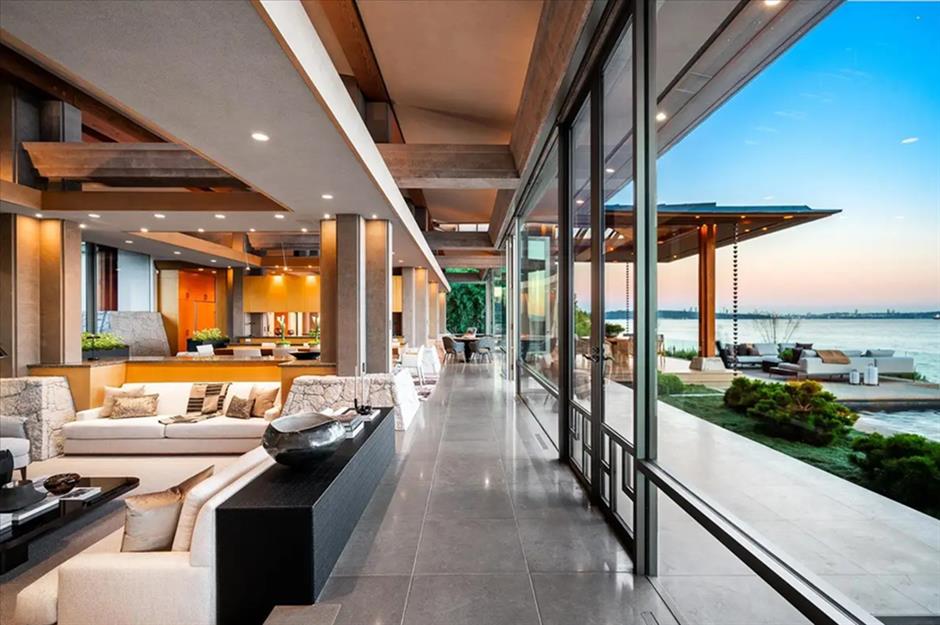
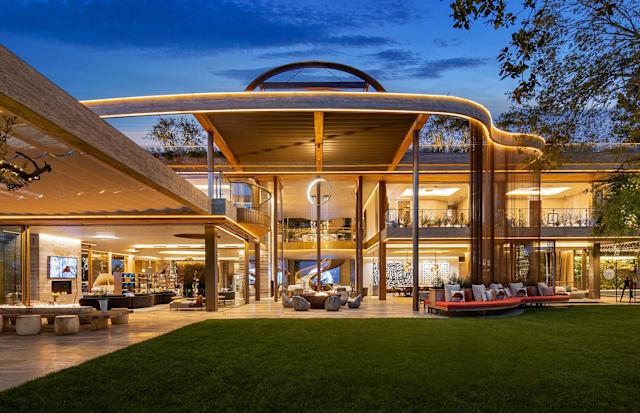
Location remains the primary driver of value, but the definition of "prime" is expanding. While traditional enclaves in major metropolitan areas remain desirable, there is a growing preference for properties that offer both urban accessibility and rural tranquility. Architecturally, buyers are favoring modern minimalist designs with clean lines and expansive glass walls that blur the boundary between indoor and outdoor living spaces.
Frequently asked: what to check next
The global luxury real estate market continues to shift, driven by high-net-worth individuals seeking privacy, legacy assets, and unique architectural statements. Below are specific answers to common questions regarding market benchmarks and celebrity holdings.
For real-time market data and technical analysis of luxury real estate trends, refer to the charts below.
No comments yet. Be the first to share your thoughts!