
Defining the 2026 luxury mansion market
The global luxury mansion market in 2026 has shifted from a purely asset-based valuation to a performance-driven ecosystem. Traditional metrics like square footage and lot size no longer dictate premium pricing alone. Instead, the market now rewards properties that integrate advanced technology, energy independence, and verifiable sustainability. A luxurious mansion today is defined by its ability to operate autonomously while minimizing its carbon footprint.
This evolution is visible in the rising prices of high-end properties in major hubs. The following chart illustrates the trend in global luxury real estate indices, reflecting the growing premium placed on these advanced features.
Sustainability is no longer a niche preference but a core requirement for high-net-worth buyers. Features such as net-zero energy capabilities, smart water recycling, and integrated solar arrays are standard expectations in the top tier. These homes are designed to be self-sufficient, reducing reliance on public utilities and providing long-term cost stability. This shift is particularly pronounced in regions with strict environmental regulations or high energy costs.
Technology integration defines the modern luxury experience. Beyond basic smart home automation, 2026 mansions feature AI-driven climate control, advanced security systems with biometric access, and seamless connectivity infrastructure. These systems are not add-ons but foundational elements of the property’s design. Buyers expect a living environment that anticipates their needs, from automated lighting to predictive maintenance alerts for building systems.
atlanta's smart estate boom
Atlanta is redefining luxury real estate by prioritizing integrated automation over traditional opulence. The city's mega mansion market has shifted toward "smart estates," where value is driven by invisible technology rather than visible marble or gold fixtures. This trend reflects a broader move toward efficiency, security, and seamless living experiences that appeal to high-net-worth buyers who view their homes as command centers.
The integration of advanced home automation systems—controlling climate, lighting, security, and entertainment through unified interfaces—has become a standard expectation in Atlanta's top-tier listings. Properties featuring these systems command premium prices, often outperforming comparable homes lacking such infrastructure. This shift signals that technological sophistication is now a primary luxury marker, superseding conventional aesthetic displays of wealth.
To understand the financial impact of this trend, it is useful to look at current market valuations. The following widget provides a snapshot of the premium associated with high-end properties in this sector.
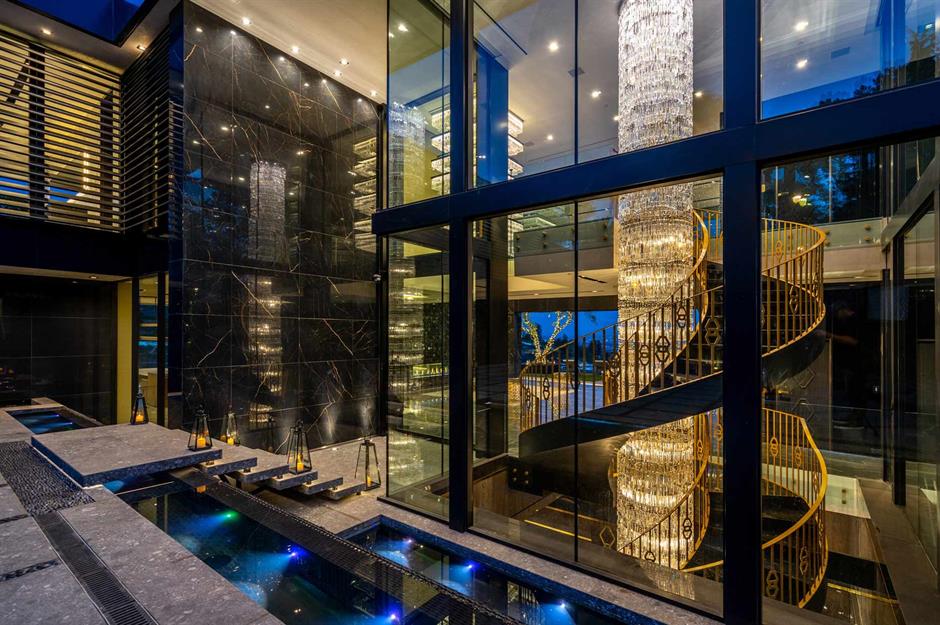
This transition challenges traditional appraisal methods that rely heavily on square footage and material costs. As Atlanta's smart estate boom continues, the definition of luxury becomes increasingly tied to digital integration and operational efficiency, setting a new benchmark for the global luxury market.
Japanese architectural marvels defined
Japanese mega mansions operate on a different economic and aesthetic logic than their Western counterparts. While American and European luxury often signals wealth through scale, ornamentation, and visible opulence, Japanese high-end residential architecture prioritizes precision, material integrity, and spatial harmony. This distinction creates a unique value proposition in the global luxury market, appealing to buyers who view property as an asset of enduring quality rather than mere conspicuous consumption.
The defining characteristic of these properties is the integration of Zen design principles with modern engineering. Spaces are designed to minimize visual noise, using natural materials like hinoki cypress, limestone, and hand-finished plaster. The layout often emphasizes the relationship between interior and exterior, utilizing large sliding glass panels to blur the boundary between the home and its garden. This approach transforms the mansion into a sanctuary, where the primary luxury is tranquility and order.
Beyond aesthetics, seismic resilience is a non-negotiable component of Japanese mega mansions. Given the country's location on the Pacific Ring of Fire, these homes are built with advanced base isolation systems and reinforced concrete structures that can withstand significant tectonic activity. This engineering rigor ensures that the minimalist aesthetic is not just a stylistic choice but a reflection of structural durability. The result is a home that offers peace of mind alongside its serene environment, a critical factor for high-net-worth individuals seeking long-term asset preservation.
This focus on craftsmanship and resilience contrasts sharply with the transient nature of some Western luxury trends. In Japan, the value of a home is often tied to the quality of its construction and the longevity of its materials. This perspective aligns with a more conservative, yet highly sophisticated, approach to luxury real estate investment, where the property itself is seen as a masterpiece of engineering and design.
Comparing investment value across regions
The luxury real estate market operates on distinct regional rhythms. While Atlanta and Japan both offer high-end properties, their investment profiles diverge significantly in terms of appreciation potential, inventory stability, and currency exposure. Understanding these structural differences is essential for capital allocation in 2026.
Atlanta’s luxury segment is characterized by rapid appreciation driven by domestic migration and corporate expansion. The market benefits from a relatively young housing stock and lower entry costs compared to coastal US hubs. However, this growth comes with higher volatility and sensitivity to domestic interest rate fluctuations. Inventory turnover is faster, allowing investors to capitalize on quick equity gains, but it requires active management and market timing.
In contrast, the Japanese luxury market offers stability and currency diversification. Properties in Tokyo’s prime districts, such as Minato and Chiyoda, have shown resilience against global economic shocks. The market is defined by strict zoning laws and limited land supply, which caps speculative bubbles but ensures long-term value retention. Investors often use Japan as a hedge against USD weakness, though appreciation rates are modest and steady rather than explosive.
The following comparison highlights the key metrics that distinguish these two markets for luxury investors.
| Metric | Atlanta, GA | Japan (Tokyo Prime) |
|---|---|---|
| Annual Appreciation | 8-12% | 2-4% |
| Inventory Turnover | Fast (30-60 days) | Slow (6-12 months) |
| Currency Risk | Low (USD stable) | Medium (JPY volatility) |
| Entry Cost (Avg.) | $2.5M+ | $3.5M+ |
| Market Volatility | High | Low |
For investors prioritizing capital growth and liquidity, Atlanta’s dynamic market offers higher upside potential. Those seeking portfolio stability, currency hedging, and long-term preservation may find the Japanese market more suitable. Both regions require careful due diligence, but the underlying drivers of value are fundamentally different.
key factors for luxury property due diligence
Entering the market for luxurious mansions requires more than capital; it demands rigorous verification. High-stakes transactions carry hidden liabilities that standard inspections miss. Buyers must prioritize official records and independent expert consultation to protect their investment.
Official county records confirm ownership history and any encumbrances. Zoning laws dictate permissible uses, which is critical for properties with unique architectural styles or extensive grounds. Never rely on seller disclosures alone.
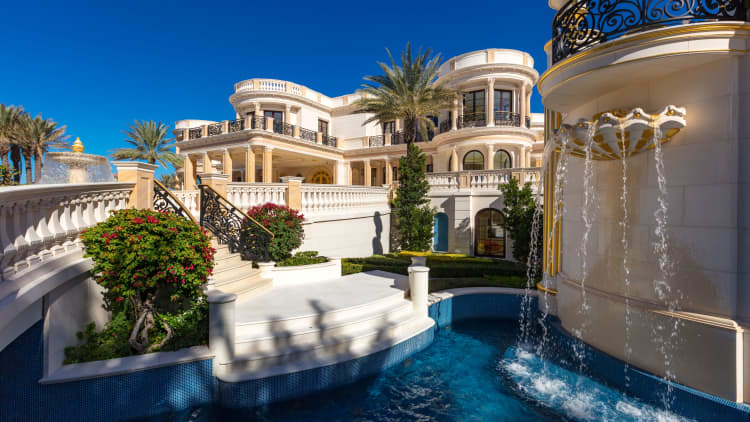
Luxury estates often feature complex engineering, such as wine cellars, theaters, or pools. Hire specialists who understand high-end materials like imported marble or custom glass. Standard home inspectors lack the expertise to identify defects in these unique systems.
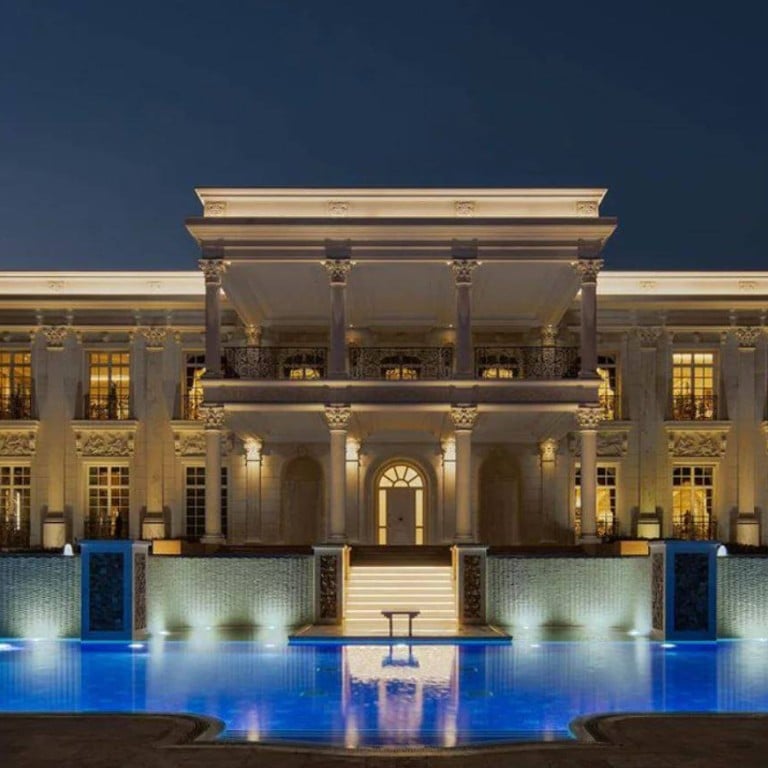
Large properties may sit on land with environmental sensitivities or historical preservation restrictions. Verify water rights, boundary lines, and any pending litigation. These factors can significantly impact future development potential and insurance costs.
Due diligence is the foundation of a secure purchase. By focusing on verified data and expert analysis, buyers can manage the complexities of the luxurious mansions market with confidence.
| Due Diligence Factor | Standard Purchase | Luxury Mansion |
|---|---|---|
| Inspection Scope | General structure | Specialized systems |
| Title Search | Basic chain | Encumbrance deep dive |
| Expert Team | Agent + Inspector | Legal + Architectural |
No comments yet. Be the first to share your thoughts!