

Beyond Green: The Rise of $100M+ Eco-Mansions
The world’s wealthiest individuals are increasingly demanding ultra-luxury homes that are also sustainable. For a long time, these concepts seemed at odds. Mega mansions consume significant resources, but a shift is underway, driven by growing climate awareness and a desire for responsible living, even at the highest end of the market.
This isn't simply about adding solar panels. We're seeing a fundamental rethinking of how these homes are designed, built, and operated. The demand for sustainable luxury is real, pushing architects and builders to innovate. This is a response to a changing world and a recognition that even the most affluent aren't immune to climate change.
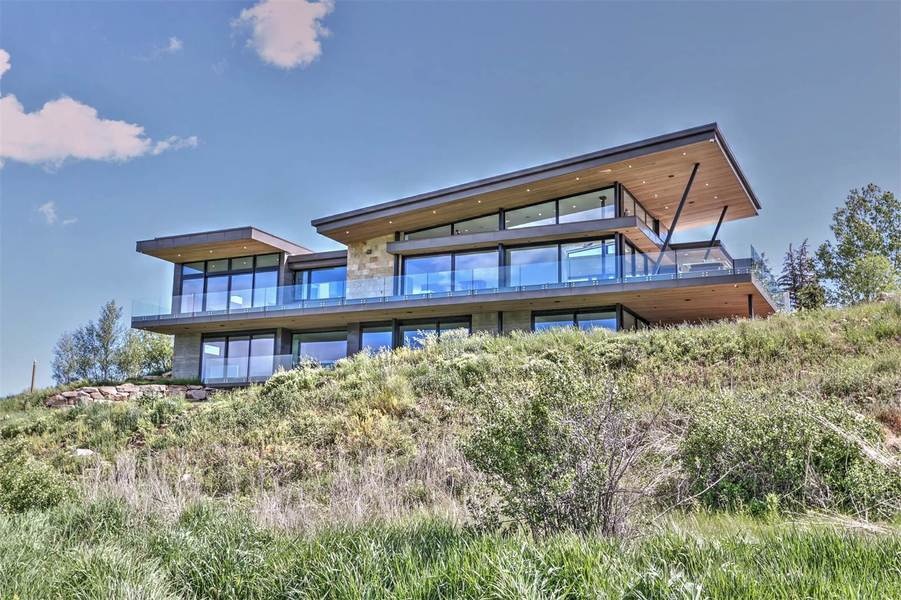
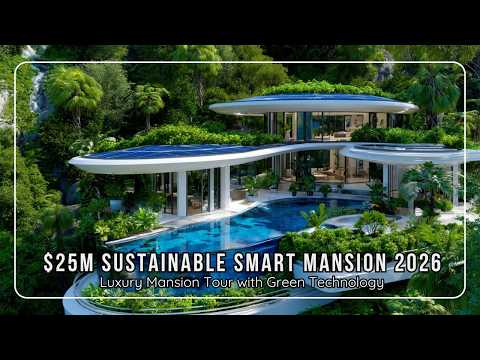
An early example of this trend is the fully off-grid mega mansion in Woodland, Utah, featured on YouTube. It’s a bold statement – a $25.9 million estate designed to operate independently of traditional utilities. This property, and others like it, demonstrate that luxury and sustainability aren’t mutually exclusive. They can be complementary.
This article explores this emerging world, looking at the technologies driving this change, specific examples of eco-mansions around the globe, and the financial implications of building sustainably at this scale. We're looking at architectural marvels that are trying to minimize their impact on the planet.
Defining Sustainable Mega-Mansion Tech
For a 20,000 square foot home, "sustainable’ takes on a different meaning. It’s not enough to simply install energy-efficient appliances. True sustainability requires a holistic approach, from energy generation and water management to material selection and waste reduction. It"s about creating a self-sufficient ecosystem.
Solar power is a crucial component. Geothermal energy – harnessing the Earth’s natural heat – is also becoming popular. This provides a consistent source of heating and cooling, reducing reliance on fossil fuels. Water recycling systems, including rainwater harvesting and greywater reuse, are essential for conserving water.
Smart home energy management systems optimize energy consumption using sensors and algorithms, automatically adjusting lighting, heating, and cooling based on occupancy and weather conditions. Sustainable materials are also vital. Reclaimed wood, bamboo, and recycled content reduce the environmental impact of construction. It's not just about what you add to the home, but what you avoid using.
Benefits extend beyond environmental responsibility. Reduced utility bills are an obvious advantage. Increased resilience – the ability to withstand power outages or water shortages – is another. Sustainable materials often contribute to healthier indoor air quality, creating a more comfortable and livable space. These features are good for the planet and for the people who live in these homes.
Utah's Off-Grid Pioneer: A Deep Dive
The Woodland, Utah mansion showcased on YouTube is a remarkable example of off-grid living. It’s about eliminating reliance on the traditional power grid altogether. The property has an extensive solar array, coupled with battery storage, providing electricity for the entire estate. The exact capacity isn’t publicly available, but it’s substantial.
Beyond solar, the property uses a sophisticated water system. Rainwater harvesting is a primary water source, supplemented by a well. The water is filtered and purified, ensuring a clean and reliable supply. Greywater – water from showers, sinks, and laundry – is recycled for irrigation, further reducing water consumption. The water storage capacity remains unclear, but it’s designed to handle prolonged droughts.
One of the biggest challenges faced by the owners was the initial investment. Off-grid systems are expensive to install and require careful planning and execution. The precise cost breakdown isn’t public, but the sustainable features likely added a significant premium to the overall price. Maintaining the system also requires ongoing effort and expertise.
While the property is described as "fully off-grid,’ backup systems are likely in place. A generator, for example, could provide power during extended periods of cloud cover. Complete independence is difficult to achieve, and some level of redundancy is probably essential. This mansion demonstrates what’s possible, but it"s also a reminder that even the most sustainable homes require careful management and maintenance.
Salt Lake City's $10M Statement
The $10 million ultra-luxury mansion in Salt Lake City, Utah, offers a different approach to sustainability. Unlike the off-grid estate in Woodland, this property focuses on minimizing its impact within the existing grid. It’s a statement about responsible luxury, rather than complete independence. The YouTube tour highlights meticulous attention to detail and high-end finishes, but the sustainable elements are more subtle.
Architectural choices contribute significantly to its eco-friendliness. The design incorporates passive solar principles, maximizing natural light and reducing the need for artificial lighting. The orientation of the house, window placement, and shading devices all play a role. Materials used in construction are also carefully selected for durability and low environmental impact.
undefined, it incorporates energy-efficient appliances, smart home technology, and potentially renewable energy sources, such as solar panels, to minimize its consumption. It’s a more pragmatic approach, suited to an urban setting.
The Salt Lake City mansion demonstrates that sustainability isn’t just about going off-grid. It’s about making conscious choices at every stage of the design and construction process. It’s about creating a beautiful, luxurious home that also happens to be environmentally responsible. It’s a different vision, but equally compelling.
Global Standouts: Eco-Mansions Around the World
The pursuit of sustainable luxury isn't limited to the United States. Across the globe, architects and homeowners are pushing the boundaries of eco-conscious design. Here are a few noteworthy examples, each showcasing a unique approach.
In Atlanta, Georgia, a modern mansion designed by Pizzano Architects incorporates extensive green roofing, rainwater harvesting, and solar panels. Priced around $18 million, the home blends seamlessly with its wooded surroundings, minimizing its visual impact. The owner’s vision was to create a net-zero energy home, and the design is well on its way to achieving that goal.
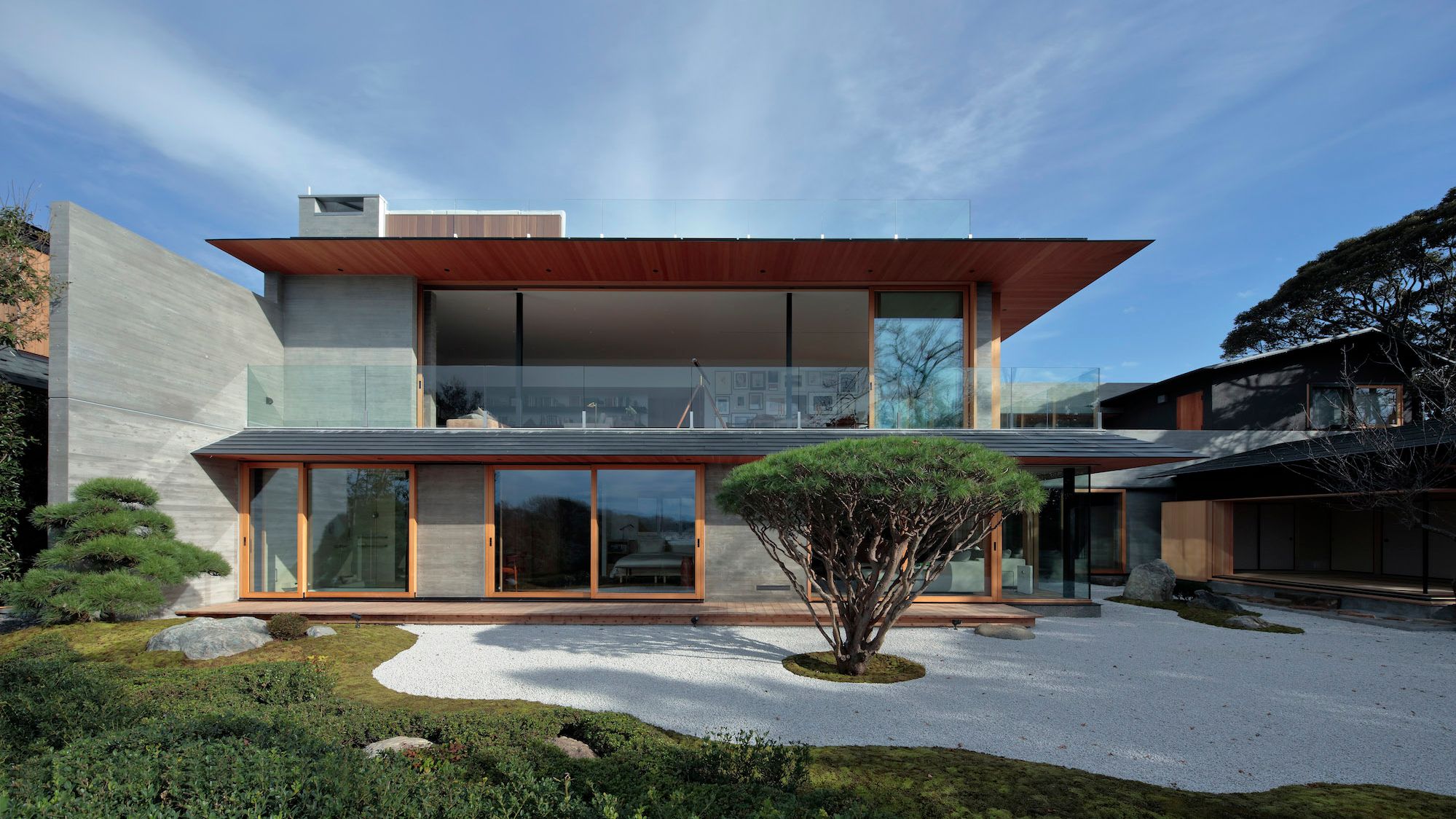
In Japan, a stunning coastal residence utilizes traditional building techniques combined with modern sustainable technologies. The design incorporates natural ventilation, passive solar heating, and locally sourced materials. While the exact price is unknown, similar properties in the area can fetch upwards of $20 million. The owner’s focus was on creating a harmonious relationship between the home and its natural environment.
A sprawling estate in the French countryside, listed for around $120 million, features a geothermal heating and cooling system, a private wastewater treatment plant, and extensive organic gardens. The property is self-sufficient in terms of food production, and minimizes its reliance on external resources. The owner, a prominent environmentalist, wanted to create a truly sustainable lifestyle.
Finally, a contemporary mansion in Melbourne, Australia, showcases innovative water conservation technologies and a highly efficient building envelope. The design incorporates recycled materials and minimizes waste during construction. Priced around $15 million, the home is a testament to the power of sustainable design. These examples demonstrate the diversity of approaches to eco-luxury, and the growing global demand for sustainable mega-mansions.
Sustainable Mega Mansions 2026: A Comparative Overview
| Location | Price Range | Primary Sustainability Focus | Architectural Style | Key Feature |
|---|---|---|---|---|
| Woodland, Utah | Over $25 Million | Energy Independence | Modern Rustic | Fully off-grid capabilities, including solar and well water. |
| Malibu, California | Over $100 Million | Water Conservation & Native Landscaping | Contemporary Coastal | Advanced greywater recycling system and drought-resistant gardens. |
| The Hamptons, New York | Over $150 Million | Material Sourcing & Low-Impact Construction | Traditional American | Extensive use of reclaimed wood and locally sourced stone. |
| Monaco | Over $120 Million | Smart Home Energy Management | Modern Mediterranean | Integrated system optimizing energy use based on occupancy and weather patterns. |
| Tokyo, Japan | Over $110 Million | Biophilic Design & Urban Farming | Minimalist Modern | Rooftop garden providing fresh produce and integrated into the home's ecosystem. |
| Aspen, Colorado | Over $130 Million | Passive Solar Design & Thermal Mass | Mountain Contemporary | Oriented to maximize solar gain and utilize natural temperature regulation. |
Illustrative comparison based on the article research brief. Verify current pricing, limits, and product details in the official docs before relying on it.
Climate-Proofing the Ultra-Rich: Design for Resilience
Beyond simply reducing their carbon footprint, these ultra-luxury homes are increasingly being designed to withstand the growing impacts of climate change. This goes beyond sustainability; it’s about resilience – the ability to bounce back from extreme weather events. This is particularly important for coastal properties, which are vulnerable to rising sea levels and more frequent storms.
Features like flood protection systems, including elevated foundations and waterproof barriers, are becoming increasingly common. Wildfire resistance is another key consideration, particularly in regions prone to wildfires. This can involve using fire-resistant materials, creating defensible space around the property, and installing sprinkler systems. Storm-proof construction, including reinforced walls and impact-resistant windows, is also essential.
Self-sufficient water and energy systems are also crucial for resilience. The ability to generate your own power and collect your own water can provide a lifeline during emergencies. As Daily High House has noted, climate-proof mansions are a growing trend, reflecting a growing concern among the wealthy about the risks posed by climate change.
There's a certain irony in building massive homes in the face of climate change, but these features can benefit everyone. The technologies and strategies used to climate-proof these mansions can also be applied to more modest homes, making communities more resilient to the effects of climate change. It’s a trickle-down effect, albeit one driven by the ultra-rich.
The Cost of Going Green: A Premium?
Let’s be honest: building a sustainable mega-mansion isn’t cheap. While the long-term benefits – reduced utility bills, increased resilience – can be significant, the initial investment is typically higher than that of a conventional home. The cost of sustainable technologies, such as solar panels, geothermal systems, and water recycling systems, can add a substantial premium to the overall price.
Solar panels, for example, can easily add $50,000 to $100,000 to the cost of a new home. Geothermal systems can be even more expensive, costing upwards of $20,000 to $30,000. Water recycling systems can also be costly, depending on the complexity of the system. The cost of sustainable materials, such as reclaimed wood and bamboo, can also be higher than that of conventional materials.
However, there are long-term savings that can offset the initial investment. Reduced energy and water bills can save homeowners thousands of dollars each year. And, in some cases, sustainable features can increase the resale value of the property. There are also a growing number of incentives and tax breaks available for sustainable building projects, which can help to reduce the overall cost.
It’s difficult to provide a precise ROI for sustainable features. The payback period will vary depending on the specific technologies used, the local climate, and the homeowner’s energy consumption habits. But it’s safe to say that sustainable mega-mansions are a long-term investment, both financially and environmentally.
Future Trends: What’s Next for Eco-Luxury?
The future of sustainable mega-mansions is likely to be shaped by several emerging trends. We can expect to see more integration of artificial intelligence and smart home systems, optimizing energy consumption and automating sustainable practices. AI could learn a homeowner’s habits and adjust settings accordingly, maximizing efficiency and minimizing waste.
New materials and technologies are also on the horizon. Self-healing concrete, carbon-negative building materials, and advanced energy storage systems are all being developed. These innovations could further reduce the environmental impact of construction and operation. We may also see more widespread adoption of modular construction techniques, reducing waste and construction time.
Whether sustainable design will become the norm or remain a niche market is an open question. The cost of sustainable technologies remains a barrier for many homeowners. But as these technologies become more affordable and accessible, and as climate awareness continues to grow, it’s likely that sustainable design will become increasingly mainstream.
The challenge will be to balance luxury and sustainability. The ultra-rich are unlikely to compromise on comfort or style. But with innovative design and cutting-edge technology, it’s possible to create homes that are both luxurious and environmentally responsible. The future of eco-luxury is uncertain, but it’s a space worth watching. It's a complex interplay of wealth, responsibility, and innovation.

No comments yet. Be the first to share your thoughts!