

Mansions Go Green: A New Aesthetic
Luxury real estate is changing. Acreage, grand driveways, or designer names aren't enough anymore. The new status symbol is a home that shows a commitment to environmental responsibility. The "Falcon’s Nest’ estate in Malibu, California, completed in 2024, is a prime example. This 12,000-square-foot mansion offers ocean views and a celebrity chef"s kitchen, but it's also powered almost entirely by solar energy and features a sophisticated rainwater harvesting system.
This shift isn't just about environmental concerns; it's also about future-proofing. Savvy buyers recognize that sustainable properties will hold their value as regulations tighten and resources become scarcer. This is smart investment, not just altruism.
Incorporating 'green' features into high-end homes isn't new. Passive solar design was popular in the 1970s but often seen as a compromise. Now, sustainable design integrates seamlessly with luxury, creating homes that are both environmentally responsible and aesthetically stunning. Luxury itself is evolving to include mindful living.
This change is fundamental. For decades, conspicuous consumption defined wealth. Now, we're seeing a move toward conscious consumption, where wealth is displayed with a sense of responsibility. It's a subtle but significant shift in values reshaping the world's most luxurious houses.
Building Materials: Beyond Concrete and Steel
Mega mansions traditionally rely on concrete and steel, materials with significant carbon footprints. Concrete production, in particular, contributes heavily to global CO2 emissions. Architects and builders are exploring alternatives, with cross-laminated timber (CLT) emerging as a promising option. CLT is made from layers of wood glued together, creating a strong, lightweight, and sustainable building material.
Bamboo is another popular choice, especially where it grows abundantly. It's fast-growing, requires minimal resources, and has impressive tensile strength. Mycelium bricks, made from mushroom root structures, are also gaining traction, offering a biodegradable and carbon-negative building material. Recycled plastics are used in applications from exterior cladding to interior finishes.
These materials aren't simple substitutions; each has trade-offs. While CLT offers a lower carbon footprint than concrete, sustainable sourcing is paramount. Forest management practices must be vetted to avoid deforestation. Durability and fire resistance are also concerns with timber, requiring specialized treatments and construction techniques. Mycelium bricks, though innovative, are still new and their long-term performance is not yet fully established.
Steel's carbon footprint is substantial, but it's often unavoidable for structural support in larger projects. Architects are exploring recycled steel and innovative production methods that reduce emissions. The most sustainable approach involves a holistic assessment of the building lifecycle, considering the environmental impact of material extraction, manufacturing, transportation, and disposal.
- Concrete: High carbon footprint, readily available, strong.
- Steel: High carbon footprint, essential for structural support, recyclable.
- CLT: Lower carbon footprint, renewable, requires sustainable sourcing.
- Bamboo: Fast-growing, strong, requires treatment for durability.
- Mycelium Bricks: Carbon-negative, biodegradable, relatively new technology.
Comparative Analysis of Sustainable Building Materials
| Material | Carbon Footprint | Cost | Durability | Fire Resistance | Aesthetic Flexibility |
|---|---|---|---|---|---|
| Concrete | High | Medium | High | Medium | Medium |
| Steel | High | Medium to High | High | High | Medium |
| Cross-Laminated Timber (CLT) | Low to Medium | Medium | Medium | Medium | High |
| Bamboo | Low | Low to Medium | Medium | Low to Medium | High |
| Mycelium | Very Low | Medium | Low to Medium | High | Medium |
Illustrative comparison based on the article research brief. Verify current pricing, limits, and product details in the official docs before relying on it.
Powering Paradise: Renewable Energy Systems
Solar power is the most obvious renewable energy source for eco-friendly mansions. It's evolving beyond traditional rooftop panels. Integrated solar facades, where solar cells are incorporated directly into the building’s exterior cladding, maximize energy generation. Solar roof tiles, mimicking traditional roofing materials, are also becoming popular.
Geothermal energy offers another promising solution. Tapping into the Earth’s constant underground temperature, geothermal systems provide efficient heating and cooling. Wind turbines are less practical for most mansions due to aesthetic concerns and space limitations. Micro-hydro systems, generating electricity from flowing water, are viable for properties with suitable water sources.
Generating clean energy is only half the battle. Energy storage is crucial for a reliable power supply, especially during periods of low sunlight or wind. Battery technology, like Tesla's Powerwall system, is rapidly improving in capacity, efficiency, and cost. This allows homeowners to store excess energy generated during peak times and use it when needed.
Solid-state batteries promise greater energy density and safety. The ultimate goal is to create estates that are entirely off-grid, self-sufficient energy ecosystems. This ambitious goal is becoming increasingly achievable with advancements in renewable energy technology and energy storage solutions.
- Solar Power: Rooftop panels, integrated facades, solar tiles.
- Geothermal Energy: Efficient heating and cooling.
- Wind Turbines: Less practical due to aesthetics and space.
- Micro-Hydro Systems: Viable for properties with water access.
- Energy Storage: Battery technology (Tesla Powerwall, etc.)
Water Management: Conservation and Reuse
Water scarcity is a growing global concern, making responsible water management critical for sustainable luxury. Rainwater harvesting systems are becoming standard in eco-friendly mansions, collecting rainwater from roofs for irrigation, toilet flushing, and even potable use after purification. Greywater recycling systems capture wastewater from showers, sinks, and laundry machines for non-potable uses.
Drought-tolerant landscaping with native plants that require minimal watering is another essential component. Efficient irrigation systems, like drip irrigation, deliver water directly to plant roots, minimizing waste. These systems integrate with smart home technology, adjusting watering schedules based on weather conditions and soil moisture levels.
Advanced water purification systems can treat on-site water sources, like wells or springs, providing a sustainable alternative to municipal water supplies. These systems incorporate multiple filtration stages, including reverse osmosis and UV sterilization, to ensure water quality. The initial investment can be significant, but long-term savings and environmental benefits are substantial.
This isn't just about saving money on water bills. It's about recognizing water is a precious resource that needs conservation, especially in arid and semi-arid regions. Responsible water usage is a fundamental principle of sustainable living.
Smart Home Tech: Optimizing Efficiency
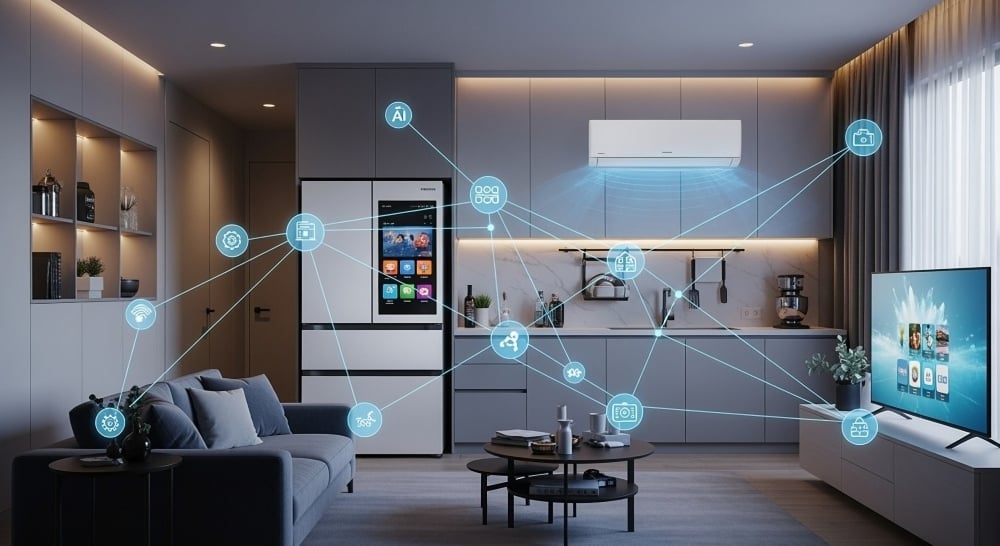
Smart home technology optimizes energy and water consumption in eco-friendly mansions. Intelligent lighting systems automatically adjust brightness based on occupancy and daylight levels, reducing energy waste. Automated climate control systems learn occupants’ preferences and adjust temperature settings. Energy monitoring dashboards provide real-time data on energy usage, allowing homeowners to identify areas for improvement.
Smart appliances, like refrigerators and washing machines, are designed to consume less energy and water. These appliances can integrate into the smart home system for remote control and monitoring. AI-powered systems are being developed to further optimize energy consumption, learning patterns and making automatic adjustments.
The true impact of some of these technologies is unclear. While they offer convenience and control, it's not always clear how much energy they save. Some systems are complex and require significant maintenance. There's a risk of adding layers of technology that don't deliver substantial benefits.
The key is to focus on technologies that address fundamental inefficiencies and provide tangible results. A well-designed smart home system should be transparent and easy to use, empowering homeowners to make informed decisions about their energy and water consumption.
- Intelligent Lighting: Automatic adjustments based on occupancy and daylight.
- Automated Climate Control: Learning preferences and optimizing temperature.
- Energy Monitoring Dashboards: Real-time data on energy usage.
- Smart Appliances: Energy and water-efficient appliances.
- AI-Powered Systems: Automated optimization of energy consumption.
Case Studies: Eco-Mansions Around the World
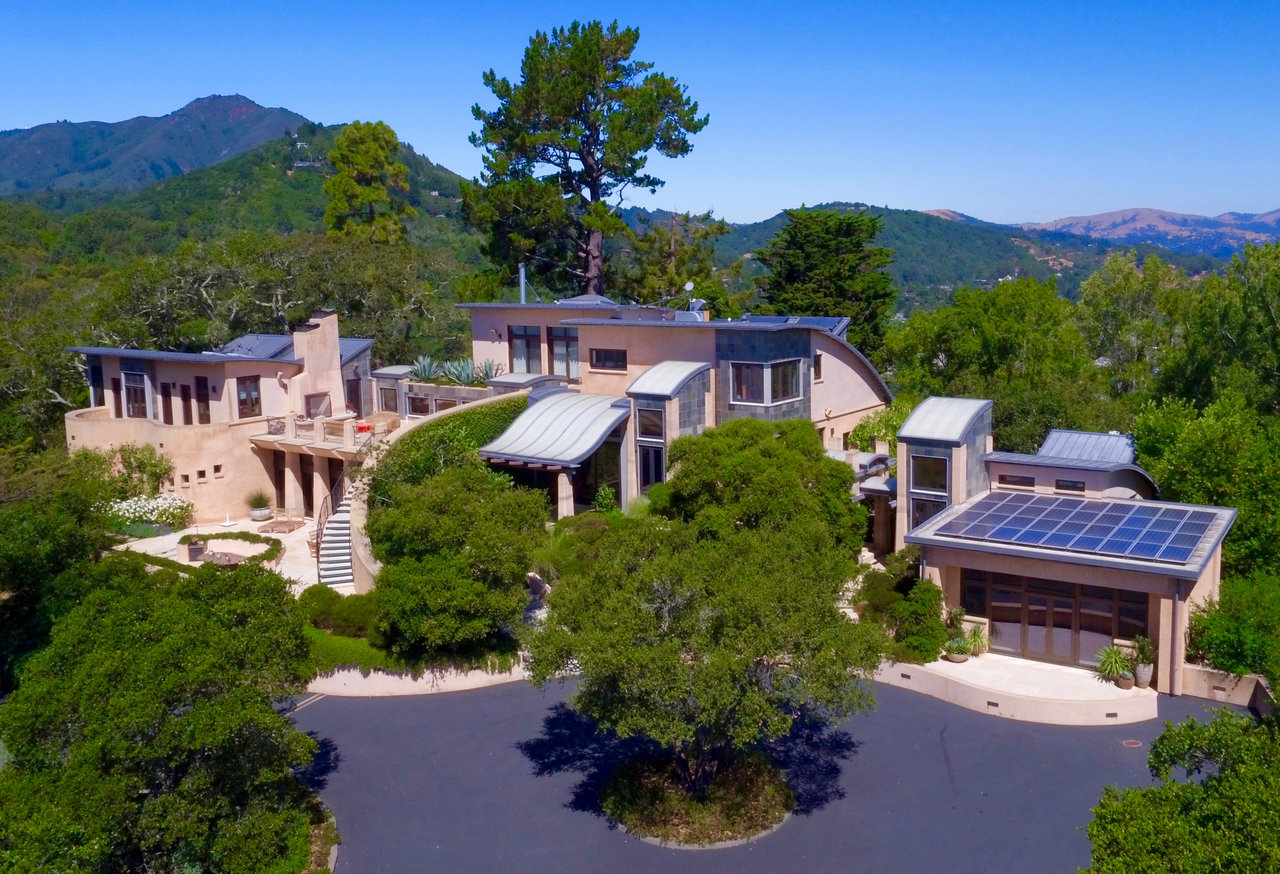
Let’s look at a few examples of eco-mansions that are pushing the boundaries of sustainable luxury. First, the "Edgelands" estate in Sonoma County, California, designed by Turnbull Griffin Haesloop Architects. This home is built into the landscape, minimizing its environmental impact and maximizing natural light and ventilation. It features a rainwater harvesting system, solar power, and a greywater recycling system.
In Japan, the "House in Uehara" by Atelier Bow-Wow exemplifies minimalist, sustainable design. This compact urban home utilizes natural materials and passive solar design principles to minimize energy consumption. It also incorporates a rooftop garden, providing insulation and reducing stormwater runoff. The design prioritizes efficiency and connection with nature.
Moving to Europe, the "Villa Bio" in Belgium, designed by Vincent Van Duysen Architects, is a stunning example of contemporary sustainable architecture. This home is constructed from locally sourced timber and features a green roof, solar panels, and a geothermal heating system. It's designed to be energy-neutral and minimize its carbon footprint. The challenges during construction involved sourcing sustainable materials and ensuring airtightness.
These are just a few examples of the innovative ways architects and builders are integrating sustainability into luxury homes. Each project faces unique challenges, but they all share a common goal: to create homes that are both beautiful and environmentally responsible.
The Cost of Going Green: Is it Worth It?
Building a sustainable mega mansion typically involves higher upfront costs than traditional construction. Sustainable materials, renewable energy systems, and water conservation technologies all come with a price tag. However, it’s important to consider the long-term savings. Reduced energy and water bills, lower maintenance costs, and increased property value can offset the initial investment over time.
Government incentives and tax breaks for green building can also help to reduce the financial burden. Many countries and states offer rebates, tax credits, and grants for installing solar panels, geothermal systems, and other sustainable technologies. These incentives can significantly reduce the payback period for green investments.
Is sustainable luxury more expensive than traditional luxury? The answer is complex. It often is, at least initially. But the gap is narrowing as the cost of sustainable technologies decreases and the demand for green homes increases. Furthermore, the intangible benefits – such as a reduced carbon footprint and a healthier living environment – are becoming increasingly valuable to discerning buyers.
Ultimately, the decision of whether or not to build a sustainable mega mansion is a personal one. But it’s a decision that reflects a growing awareness of the importance of environmental responsibility and a desire to create a legacy that extends beyond financial wealth.
Future Trends: What's Next for Eco-Luxury?
The future of sustainable luxury homes is full of exciting possibilities. Carbon-negative building materials, such as biochar-infused concrete, are being developed to actively remove carbon dioxide from the atmosphere. Self-healing concrete, which can repair cracks automatically, promises to extend the lifespan of buildings and reduce maintenance costs.
Vertical farms integrated into mansions will allow homeowners to grow their own fresh produce, reducing their reliance on external food sources. The potential for fully self-sufficient estates, powered by renewable energy and managed by AI, is becoming increasingly realistic. 3D printing will likely play a significant role, enabling the creation of custom-designed, sustainable homes with minimal waste.
I anticipate we’ll see a greater emphasis on biophilic design – incorporating natural elements into the built environment to enhance well-being. Homes will be designed to connect seamlessly with their surroundings, blurring the boundaries between indoors and outdoors. The focus will be on creating spaces that are not only luxurious but also restorative and harmonious.
The evolution of sustainable luxury is just beginning. As technology advances and our understanding of environmental issues deepens, we can expect to see even more innovative and transformative approaches to building and living.
No comments yet. Be the first to share your thoughts!