

Japan's Minimalist Mansion Aesthetic
Japanese architecture, even in its most modern forms, is deeply rooted in a philosophy that extends far beyond just aesthetics. It’s about creating spaces that promote tranquility and a connection with nature. This isn’t a new trend; it’s a continuation of principles refined over centuries. The core of this aesthetic lies in concepts like ma – often translated as "negative space’ – which isn"t emptiness, but rather a deliberate void that allows the eye and mind to rest.
Equally important is wabi-sabi, the acceptance of imperfection and impermanence. This translates to homes that don’t strive for flawless perfection, but instead embrace natural materials and textures, allowing the beauty of aging to be visible. Think exposed wood grain, subtly uneven plaster, and a general avoidance of anything overly ornate. You'll see this expressed in the deliberate choice to use natural materials.
Historically, influences come from traditional tea houses, designed to be spaces of serene contemplation, and Zen gardens, which use carefully arranged rocks and gravel to represent landscapes and evoke a sense of peace. Modern minimalist mansions borrow these elements, integrating natural light, open floor plans, and a seamless flow between indoor and outdoor spaces. It’s a considered approach. This isn’t simply about having empty rooms; it’s about a deliberate crafting of space to enhance well-being.
Karizawa's $10 Million Mountain Retreat
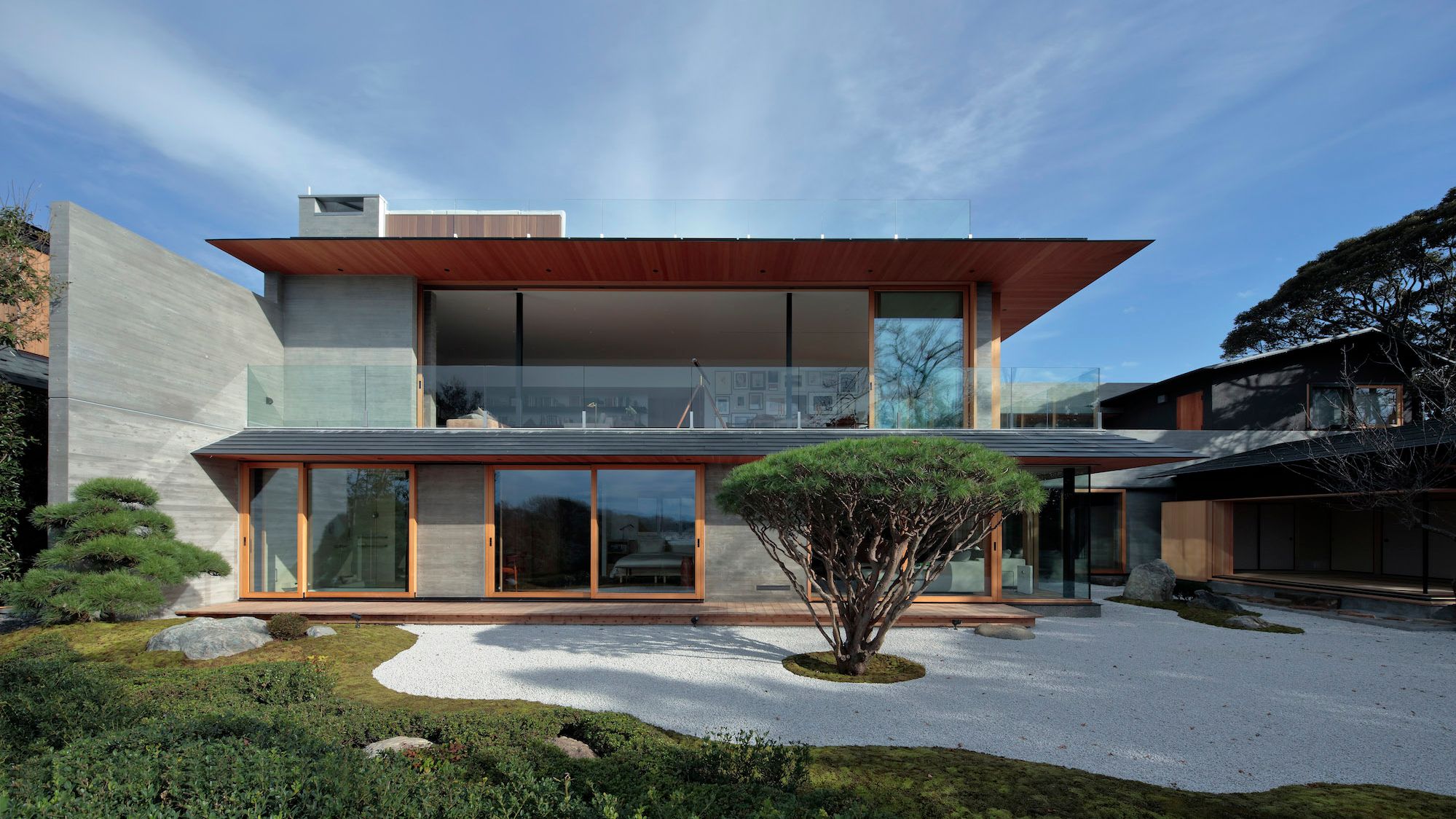
A YouTube tour featured a $10 million mansion in Karizawa, a mountain resort town popular with Tokyo residents. Situated in the mountains, the property has understated elegance. The design maximizes natural light with large windows offering panoramic views, creating a feeling of immersion in nature, a key part of the Japanese aesthetic.
Wood is prominent in the home's construction, providing a warm atmosphere. Large sliding doors create a flow between indoor and outdoor spaces, blurring the lines. The open-plan layout offers spaciousness and flexible living.
Karizawa's appeal to the affluent comes from its 90-minute drive to Tokyo, cooler climate, and natural beauty. This property offers a private retreat from city life. Efficient heating and cooling solutions are likely a priority in this mountain climate, supporting a home designed for contemplation and enjoying nature.
The design is distinctly Japanese with a contemporary edge, interpreting core principles rather than mimicking traditional styles. It appeals to those who appreciate quality, craftsmanship, and a connection to nature.
Yokohama's Custom-Built Suburban Estate
A $2.5 million custom-built mansion in Yokohama, a Tokyo suburb, offers a different take on minimalist design. This property, featured in a YouTube video, maximizes space in a suburban setting. While using natural light and clean lines, it feels more compact and suited for family living.
The Yokohama estate shows a high degree of personalization, common in Japanese custom builds. The video mentioned client requests for specific kitchen layouts or home offices, indicating buyers often tailor homes to their needs. This reflects a collaborative process rather than solely a designer's vision.
The property's quick sale, as noted in the video, indicates strong demand for quality homes in the Tokyo area. Limited land and a desire for modern living spaces are likely drivers. Demand for custom homes suggests buyers will pay more for properties that perfectly suit their lifestyle.
The Karizawa mansion and Yokohama estate show the range of Japanese minimalist architecture. One is a secluded mountain retreat, the other a suburban family home, both adapted to different locations and lifestyles while sharing core principles.
Key Materials & Construction Techniques
Materials in these Japanese mansions are chosen for aesthetics, durability, and sustainability. Wood, particularly cedar (sugi) and cypress (hinoki), is favored for its beauty, aroma, and resistance to decay, used for structural elements, cladding, and finishes.
Concrete is frequently used, often left exposed for its raw texture, providing structural stability and a modern aesthetic. Large glass expanses maximize natural light and connect indoor spaces with the outdoors. Stone is used for landscaping and exterior walls, adding grounding and permanence.
Given Japan’s seismic activity, earthquake resistance is critical. Buildings use reinforced concrete foundations and flexible structural systems to withstand tremors. Traditional techniques, like interlocking wood joinery, combine with modern engineering for resilient structures.
Managing humidity and mold, common in the Japanese climate, likely involves advanced ventilation systems and moisture-resistant materials, though specific construction details are not readily available.
- Cedar (sugi): Known for its reddish hue and pleasant aroma.
- Cypress (hinoki): Highly valued for its durability and resistance to decay.
- Concrete: Provides structural stability and a modern aesthetic.
- Glass: Maximizes natural light and connects indoor/outdoor spaces.
Common Materials
- Washi Paper - Traditional Japanese paper, often used for shoji screens and wall coverings. Known for its translucence, strength, and warm texture, washi allows diffused light to filter through, creating a soft, calming ambiance. It’s made from long fibers of plants like kozo, mitsumata, and gampi.
- Hinoki Wood - A highly prized Japanese cypress, hinoki is favored for its pale color, straight grain, and fragrant aroma. Naturally resistant to rot and insects, it’s commonly used for structural elements, interior paneling, and bathtubs, contributing to a sense of serenity and connection to nature.
- Concrete - Often used in minimalist Japanese architecture for its raw, industrial aesthetic and structural strength. Architects frequently employ polished or board-formed concrete for both exterior and interior surfaces, creating a striking contrast with natural materials.
- Natural Stone - Materials like granite and slate are incorporated for flooring, accent walls, and landscaping. Their durability and organic textures complement the minimalist design philosophy, grounding the space and providing a sense of permanence.
- Tatami Mats - Woven straw mats used as flooring, tatami provide a comfortable and natural surface. They define spaces within a room and contribute to the traditional Japanese aesthetic, promoting a sense of calm and simplicity.
- Glass - Extensive use of glass, particularly large windows and sliding doors, is a hallmark of modern Japanese homes. This allows for seamless integration of indoor and outdoor spaces, maximizing natural light and views of the surrounding landscape.
- Steel - Used for structural support and often left exposed as a design element, steel provides a sleek, modern contrast to natural materials. Its strength allows for large, open spaces and minimalist forms.
Tech Integration: Smart Homes in Japan
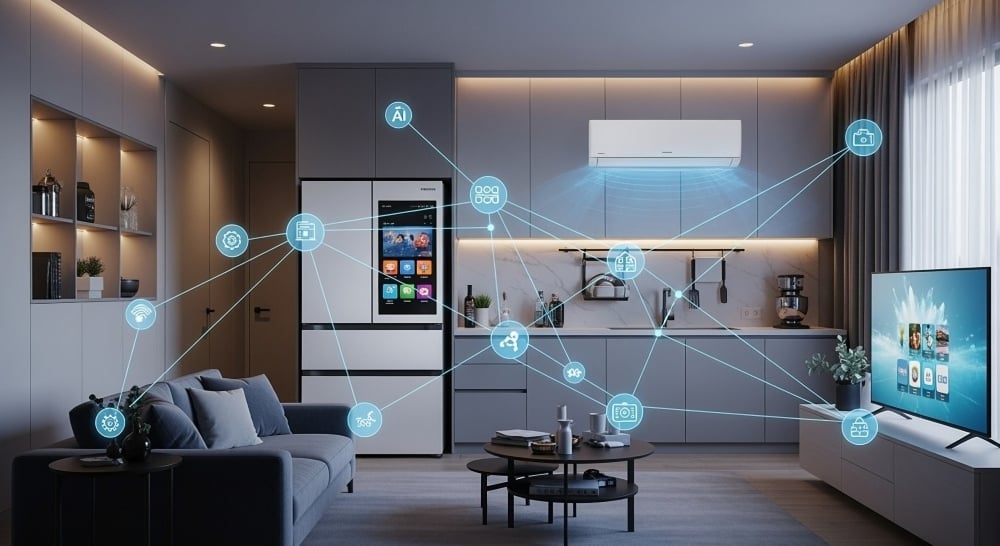
Smart home technology is increasingly integrated into Japanese mansions, though often in a subtle and understated way. Automated lighting systems adjust based on natural light levels and occupancy, creating a comfortable and energy-efficient environment. Climate control systems optimize temperature and humidity, ensuring year-round comfort.
Security is a major focus, with integrated systems including surveillance cameras, motion sensors, and remote access control. Entertainment systems are often seamlessly integrated into the architecture, with hidden speakers and retractable screens. These features aren’t typically flashy or showy; they are designed to enhance convenience and security without disrupting the minimalist aesthetic.
There’s a strong emphasis on energy efficiency and sustainability in many of these homes. Solar panels, energy-efficient appliances, and smart energy management systems are becoming increasingly common. I suspect a significant amount of focus is placed on bathroom technology – advanced toilets with heated seats and bidet functions are practically standard in Japanese homes.
While uniquely Japanese smart home technologies are still emerging, I expect to see more integration of technologies focused on wellness and health monitoring in the future. Considering Japan’s aging population, this seems like a natural progression.
JamesEdition Listings: Price Ranges & Locations
According to JamesEdition, luxury homes for sale in Japan currently range widely in price, reflecting variations in location, size, and amenities. As of late 2025, listings start around $1.5 million for smaller, more modestly appointed properties in suburban areas. Prices can easily exceed $10 million for large, architecturally significant mansions in prime locations.
The most expensive properties are typically found in Tokyo and its surrounding prefectures, particularly in areas like Karuizawa, Hakone, and the coastal regions of Shonan. These areas offer a combination of natural beauty, proximity to urban centers, and exclusivity. The exclusive areas command a premium.
At the lower end of the price range ($1.5 - $3 million), properties typically include 3-4 bedrooms, modern kitchens, and landscaped gardens. As prices increase ($3 - $7 million), amenities like swimming pools, home theaters, and dedicated home offices become more common. Above $7 million, properties often feature expansive grounds, designer finishes, and state-of-the-art smart home technology.
It’s important to remember that these are just snapshots of the market, and prices can fluctuate based on economic conditions and demand. JamesEdition provides a good overview, but a thorough investigation is necessary for anyone seriously considering a purchase.
Luxury Mansion Price Ranges by Region - Japan (Late 2023/Early 2024 Data)
| Region | Estimated Price Range (USD) | Typical Size (square meters) | Common Amenities |
|---|---|---|---|
| Tokyo (Suburbs - Yokohama) | From $2.5 million | Approximately 200 - 350 | Custom build options, modern design, proximity to Tokyo, landscaped gardens |
| Karizawa | Around $10 million+ | 250 - 400+ | Mountain views, secluded locations, contemporary architecture, high-end finishes |
| Kyoto | Generally $3 million - $15 million+ | 200 - 500+ | Traditional Japanese garden elements, modern updates, historical district access, privacy |
| Tokyo (Central) | Starting at $8 million+ | 150 - 300 | City views, luxury apartments and houses, high-tech features, concierge services |
| Hokkaido | From $2 million | 250 - 600+ | Ski access, large land plots, natural surroundings, potential for resort-style living |
| Osaka | Approximately $4 million - $12 million+ | 180 - 400 | Modern amenities, convenient location, urban access, stylish design |
Illustrative comparison based on the article research brief. Verify current pricing, limits, and product details in the official docs before relying on it.
The Future of Minimalist Design in Japan
The future of minimalist mansion design in Japan is likely to be shaped by several key trends. A growing emphasis on sustainability will drive the use of eco-friendly materials and energy-efficient technologies. We’ll likely see more homes designed to be self-sufficient, incorporating solar power, rainwater harvesting, and waste recycling systems.
Architects are experimenting with new materials, such as bamboo and cross-laminated timber (CLT), which offer both aesthetic appeal and environmental benefits. There’s also a renewed interest in traditional Japanese craftsmanship, with designers incorporating techniques like shoji screens and tatami mats into modern designs.
I suspect we’ll see a greater focus on biophilic design – integrating natural elements into the built environment to enhance well-being. This could involve incorporating indoor gardens, green walls, and natural ventilation systems. The goal is to create spaces that feel connected to nature and promote a sense of calm.
Off-grid living is another emerging trend, particularly in rural areas. As concerns about climate change and energy security grow, more people are seeking homes that are independent of the traditional power grid. This will require innovative design solutions and a commitment to self-sufficiency. It's a fascinating trajectory, one that builds on centuries of design principles while embracing the challenges of a changing world.
No comments yet. Be the first to share your thoughts!