

Waterfront Reimagined: The Floating Home Boom
Waterfront property has always been desirable, but rising sea levels are changing what that means. We're seeing more floating mega mansions built as a response to increasing sea levels and a desire for unique luxury homes. It's about living on the water, not just near it.
Floating homes used to mean modest houseboats. Now, the market offers the same opulence and space as traditional estates. A $500 million floating mega mansion recently showcased is an example of this redefined waterfront living. It's more than a home; it's a statement.
This trend goes beyond single, extravagant projects. Expensive floating homes are appearing globally, appealing for their unobstructed views, privacy, and novelty. YouTube videos show many types, from container homes to custom builds, indicating this is a developing market, not a niche one. It suggests a shift in priorities for some of the wealthiest individuals.
Hefty price tags, some in the tens of millions, keep these homes exclusive. However, increasing demand suggests floating mega mansions are a potential long-term solution for luxury living in a changing climate, not just a fleeting trend.
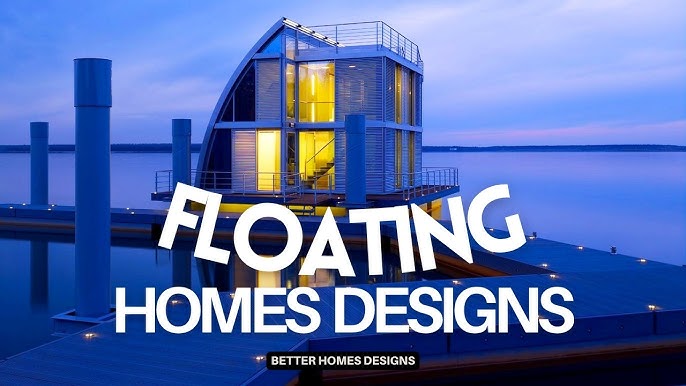
The Engineering Behind Staying Afloat
Building a large structure that stays afloat is a considerable engineering challenge, far more complex than placing a house on a pontoon. Foundations are crucial, with builders using approaches like concrete pontoons and steel hulls, each with its own cost, stability, and longevity trade-offs.
Mooring systems are also important, needing to accommodate tidal changes, wave action, and storms, not just keep the home in place. Sophisticated dynamic positioning systems, which subtly adjust the structure's position for stability, are becoming common. Traditional mooring lines are still used but are often reinforced with advanced materials.
Wave resistance is a major consideration, with hull shape, weight distribution, and breakwaters minimizing wave impact. Engineers use computational fluid dynamics to model wave behavior and optimize designs for stability, showing an intersection of architecture and naval engineering.
Materials science drives innovation. Lightweight, high-strength composites reduce weight and improve buoyancy. Self-healing concrete is explored to minimize maintenance and extend lifespan. These advancements make floating mega mansions feasible, durable, and sustainable.
Miami's Floating Mansions: A Case Study
Miami is a hotspot for floating home development, due to its geography and demand for luxury waterfront properties. The city's canals and bays offer ideal conditions, and its climate supports year-round outdoor living.
Architectural Digest recently featured a $5.5 million floating mansion in Miami, showing the potential of this construction type. The home has high-end finishes, expansive outdoor spaces, and a sleek, modern design, demonstrating how floating homes offer the same luxury as traditional waterfront estates.
Building here has challenges. Local regulations are evolving, and developers face hurdles with permitting, zoning, and environmental concerns. Securing financing is also difficult as lenders assess the risks of these properties.
Buyers are typically high-net-worth individuals seeking privacy, exclusivity, and a unique lifestyle. Many are drawn to living on the water without traditional waterfront property limitations. The appeal is clear: a luxury home with unparalleled views and direct bay access.
- Permitting challenges: Navigating local regulations.
- Zoning restrictions: Adapting to existing land-use plans.
- Financing hurdles: Securing loans for a novel property type.
Floating Home Hotspots
- Miami, Florida - South Florida’s vulnerability to rising sea levels and increasingly intense storms has fueled significant interest in floating home developments. The regulatory environment is evolving, with Miami-Dade County exploring zoning changes to accommodate floating structures, but currently faces challenges related to permitting and infrastructure connections. Several private developers are actively pursuing projects, focusing on luxury waterfront living.
- Dubai, UAE - Dubai is aggressively pursuing innovative architectural solutions, including large-scale floating home projects. The government has demonstrated a willingness to embrace ambitious developments, and the regulatory framework is comparatively streamlined for such projects. The focus is on creating exclusive, high-end floating communities, often incorporating sustainable technologies.
- Amsterdam, Netherlands - Amsterdam has a long history of living with water and is a pioneer in floating home construction. The city already boasts a substantial number of floating homes, and demand continues to grow. The regulatory environment is well-established, with clear guidelines for building and mooring. New developments typically emphasize sustainability and integration with existing canal infrastructure.
- The Maldives - Facing existential threats from rising sea levels, The Maldives are exploring floating structures as a potential long-term solution for housing and tourism. Several projects are underway to develop fully self-sufficient floating islands and residences, targeting the luxury tourism market. Regulatory hurdles revolve around environmental impact assessments and ensuring minimal disruption to marine ecosystems.
- Hamburg, Germany - Hamburg’s HafenCity district includes several floating structures, and the city is actively promoting further development. The focus is on integrating floating homes into the existing urban fabric and utilizing sustainable building practices. The regulatory environment is supportive, with a focus on water quality and ecological considerations.
- Vancouver, Canada - Vancouver’s waterfront location and concerns about sea-level rise have spurred interest in floating home communities. The regulatory landscape is complex, involving both municipal and federal authorities, and navigating permitting processes can be challenging. Developments tend to focus on eco-friendly designs and integration with the city’s existing marine infrastructure.
Going Down: The Appeal of Underground Living
While floating homes address rising sea levels from above, another trend tackles climate change by going underground. These are not basements, but fully-fledged, luxurious mansions built beneath the surface.
Motivations for this trend are multifaceted. Security and privacy are major draws, offering seclusion difficult to achieve with traditional homes. Underground structures also provide excellent temperature regulation, reducing energy consumption and offering a comfortable living environment year-round. Most importantly, they protect from extreme weather events like hurricanes, tornadoes, and wildfires.
Underground homes aren't new. Historically, people built dwellings into hillsides and caves for shelter. The troglodyte homes of Cappadocia, Turkey, show the enduring appeal of this method. Modern underground mansions, however, use advanced engineering and design for luxurious living spaces.
Innovations in waterproofing, ventilation, and lighting make underground living more comfortable and accessible. These homes are seen not as a compromise, but as a sophisticated and sustainable alternative to traditional construction.
Earth Sheltered Estates: Construction and Design
Constructing an underground mansion is complex. The process starts with excavation, followed by a robust, waterproof shell made of reinforced concrete to withstand earth pressure and prevent water infiltration. Waterproofing is critical, with multiple layers of protection used.
Ventilation is another key consideration. Underground homes need a sophisticated system for fresh air circulation and to prevent moisture and radon gas buildup. Geothermal heating and cooling systems are often used to leverage the earth’s stable temperature, reducing energy consumption. Lighting is also a challenge, with designers incorporating light wells, skylights, and artificial lighting for a bright atmosphere.
undefined spaciousness is also paramount. Open floor plans, high ceilings, and strategic use of mirrors can help to make the space feel larger and more airy. Incorporating natural elements, such as indoor gardens and water features, can also create a more welcoming and relaxing environment.
The construction process often involves a step-by-step guide: first, excavate the site; second, build the waterproof shell; third, install ventilation and lighting systems; fourth, add interior finishes and amenities; and finally, backfill with earth, ensuring proper drainage and landscaping. It’s a significant investment, but the result can be a truly remarkable home.
- Excavate the site.
- Build the waterproof shell.
- Install ventilation and lighting systems.
- Add interior finishes and amenities.
- Backfill with earth.
Luxury and Resilience: Common Features
Despite their different approaches – one floating, one subterranean – both floating mega mansions and underground mansions share a common emphasis on luxury and resilience. Both cater to a clientele that demands the best in terms of comfort, convenience, and security.
Smart home technology is ubiquitous in these properties, allowing owners to control everything from lighting and temperature to security systems and entertainment. Self-sufficiency features are also common, including solar power systems, water filtration systems, and backup generators. These features not only enhance comfort but also provide a degree of independence from external utilities.
High-end amenities are expected. We're seeing features like infinity pools, home theaters, wine cellars, and state-of-the-art kitchens. Customization is key, with owners working closely with architects and designers to create a home that reflects their individual tastes and lifestyles.
Ultimately, these features contribute to a sense of peace of mind. Owners can enjoy the luxury they desire, knowing that their home is designed to withstand the challenges of a changing climate and provide a safe and secure environment for their families.
The Cost of Future-Proofing
Investing in climate-resilient luxury comes at a premium. The construction costs for both floating and underground mansions are significantly higher than those of traditional homes. Floating mansions require specialized engineering and construction techniques, as well as ongoing maintenance to ensure the integrity of the hull and mooring systems.
Underground mansions also involve substantial costs, primarily related to excavation, waterproofing, and ventilation. The cost per square foot can be considerably higher than for above-ground construction. Ongoing maintenance includes monitoring for water leaks and ensuring the proper functioning of the ventilation system.
Here’s a rough breakdown of potential costs:
It's important to remember that these are estimates, and the actual cost will vary depending on the size, location, and complexity of the project. However, it’s clear that these are premium properties with premium price tags. The return on investment isn’t solely financial; it’s also about the peace of mind and security that these homes provide.
- Floating Mansion (average): $3,000 - $5,000 per square foot.
- Underground Mansion (average): $4,000 - $7,000 per square foot.
- Ongoing Maintenance (floating): 1-2% of property value annually.
- Ongoing Maintenance (underground): 0.5-1% of property value annually.
Floating Mega Mansions vs. Underground Palaces: A Comparative Overview (2026)
| Category | Floating Mansions | Underground Palaces |
|---|---|---|
| Cost | Generally very high, with examples reaching $500 million or more. Construction and ongoing maintenance contribute significantly to expense. | Potentially high, dependent on excavation complexity, structural engineering, and interior finishes. Costs can vary widely based on location and size. |
| Construction Time | Can be lengthy, involving specialized marine engineering and construction techniques. Timeline is influenced by size and complexity. | Typically requires extended construction periods due to excavation, structural reinforcement, and waterproofing requirements. |
| Environmental Impact | Potential impacts related to marine ecosystems during construction and operation. Concerns exist regarding wake and potential disruption of aquatic life. | Lower visual impact. Potential impacts related to excavation, groundwater disruption, and energy consumption for ventilation and lighting. |
| Privacy | Offers a degree of privacy due to location, but can be visible from surrounding waterways and potentially subject to marine traffic. | Generally high levels of privacy, as the structure is concealed beneath the earth's surface. |
| Security | Requires specialized security systems to address marine access and potential vulnerabilities. Security measures must account for waterborne threats. | Enhanced physical security due to natural barriers and controlled access points. However, requires robust systems to manage air quality and potential breaches. |
| Resale Value | Market is emerging and resale value is still developing. Value is dependent on location, design, and perceived desirability. | Resale value is influenced by location, unique architectural features, and the growing demand for resilient properties. |
| Location Constraints | Limited to suitable waterways with sufficient depth and calm conditions. Subject to maritime regulations and potential weather events. | Dependent on geological stability and suitable soil conditions. May be restricted by groundwater levels and local building codes. |
Illustrative comparison based on the article research brief. Verify current pricing, limits, and product details in the official docs before relying on it.
Beyond the Hype: Long-Term Viability
While the allure of climate-resilient luxury is strong, it's important to assess the long-term viability of these trends. Regulatory hurdles remain a significant challenge. Building codes and zoning regulations haven't fully caught up with the technology, and obtaining permits can be a lengthy and complex process.
Environmental concerns also need to be addressed. Floating homes could potentially impact marine ecosystems, and underground construction can disrupt natural habitats. Sustainable building practices are essential to minimize these impacts. The potential for these homes to exacerbate existing inequalities is another valid concern.
The evolving climate crisis adds another layer of uncertainty. As sea levels continue to rise and extreme weather events become more frequent, the need for resilient infrastructure will only increase. Innovation will be crucial in addressing these challenges and ensuring the sustainability of these luxury homes.
Ultimately, the success of these trends will depend on a combination of technological advancements, regulatory support, and a commitment to responsible development. These homes represent a bold vision for the future of luxury living, but they also require careful planning and a long-term perspective. It's a fascinating space to watch, and one that will undoubtedly shape the future of architecture and design.
- Regulatory hurdles: Obtaining permits and navigating zoning regulations.
- Environmental concerns: Minimizing impact on marine ecosystems and natural habitats.
- Climate change: Adapting to evolving environmental conditions.

No comments yet. Be the first to share your thoughts!