

The New Standard: Weatherproof Luxury
Luxury mansions once focused solely on aesthetics—sprawling square footage, designer finishes, and prime locations. But priorities are shifting for the ultra-wealthy. Devastating wildfires, hurricanes, and more frequent extreme weather events globally have changed the conversation. Today’s luxury homeowners seek opulence and resilience.
Inquiries about climate-resistant building techniques have increased significantly. A beautiful view isn't enough; it needs to remain after a major storm. This is about more than protecting assets; it's about ensuring life can continue, allowing homeowners to shelter in place and maintain security in an unpredictable world.
This shift prompts a convergence of disciplines. Architects collaborate with structural engineers, meteorologists, and disaster preparedness experts to create homes that withstand extreme weather and function independently when infrastructure fails. This redefines luxury as safety, sustainability, and long-term peace of mind.
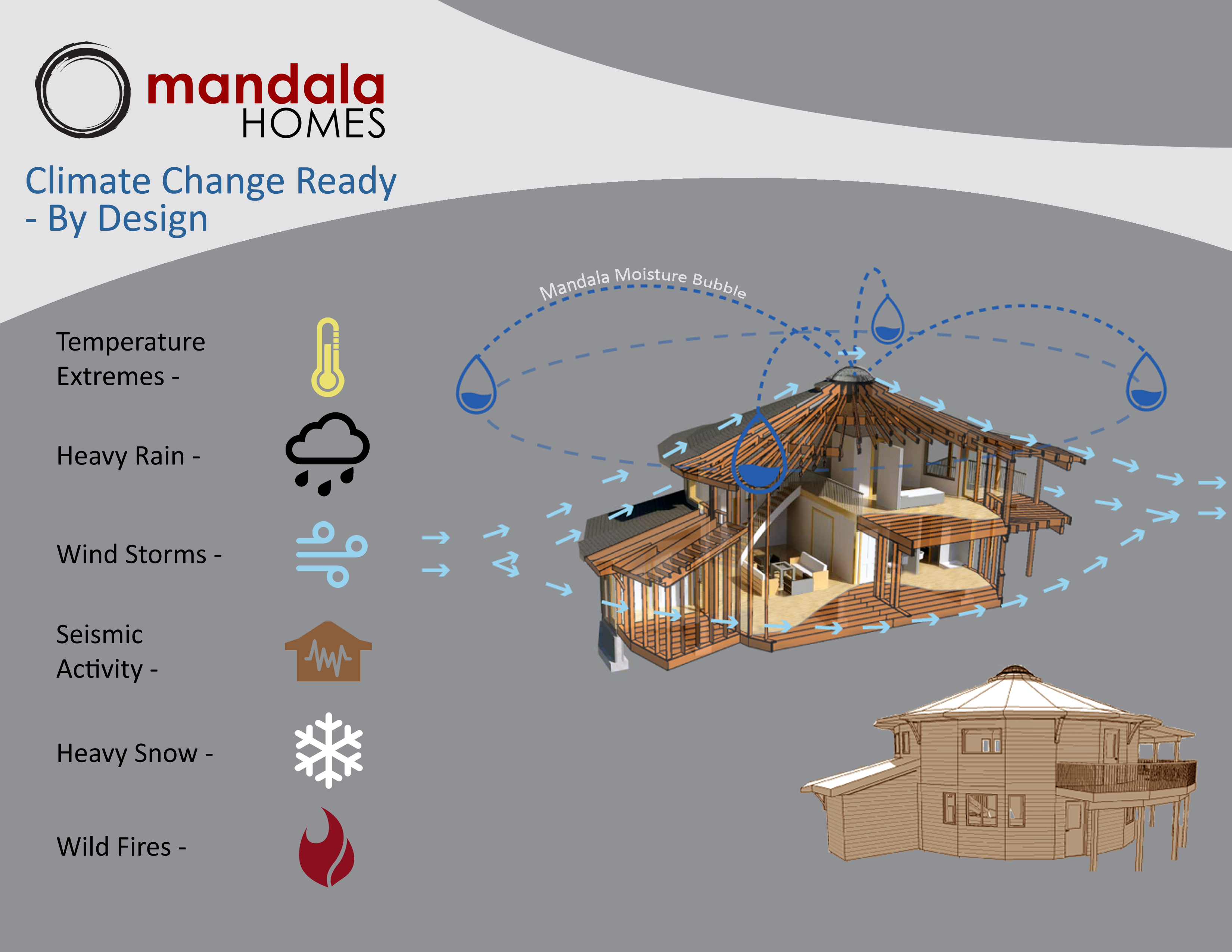
Foundations for the Future: Materials Matter
The foundation is where it begins. Climate-proof mansions move beyond traditional wood-frame construction to embrace strong, durable materials. Concrete and steel reinforcement are standard, used for entire structural frameworks, not just foundations.
Insulated Concrete Forms (ICFs) are gaining traction. These interlocking expanded polystyrene blocks filled with reinforced concrete offer exceptional insulation, reducing energy consumption, and incredible structural integrity. ICF construction can add 10-20% to initial costs, but the long-term benefits in energy efficiency and resistance to extreme forces are substantial.
Windows and doors are critical vulnerabilities. Impact-resistant glass, laminated with polyvinyl butyral (PVB), can withstand hurricane-force winds and flying debris. These windows cost double or triple standard glass but offer invaluable protection. Steel-reinforced doors are also common for added security.
While ICFs have a higher upfront cost, their longevity and reduced maintenance offset this over time. Steel framing is stronger than wood but needs protective coatings in coastal environments due to corrosion. The ideal material depends on the location's climate challenges.
Powering Through: Energy Independence
A climate-proof mansion must survive after the storm, requiring energy independence. Solar power integration is almost universal, often paired with battery storage systems like the Tesla Powerwall. These systems store excess solar energy for use during outages or at night.
Microgrids, localized energy grids operating independently, are becoming popular. They incorporate multiple energy sources like solar, wind, and backup generators, ensuring a continuous power supply. Natural gas and propane generators are reliable backups, with some exploring hydrogen fuel cells as a cleaner alternative.
This isn't solely about environmental responsibility, though that's a welcome byproduct. It's about maintaining essential functions—lighting, heating, cooling, security systems—when the grid is down. Some resilient homes operate off-grid for weeks or months, providing a safe haven during prolonged emergencies.
- Tesla Powerwall: A leading battery storage solution for residential use.
- Microgrids: Localized energy grids offering independence from the main power grid.
- Natural Gas/Propane Generators: Reliable backup power sources.
Water, Water Everywhere: Flood & Drought Defense
Water poses a dual threat: flooding and drought. In flood-prone areas, elevation is paramount, achieved by building on stilts or raising foundations. Sophisticated drainage systems quickly channel water away from the property.
Rainwater harvesting collects and stores water for irrigation and non-potable uses, reducing reliance on municipal supplies and conserving resources. Drought-resistant landscaping with native plants that require minimal water is also essential.
Innovative designs include natural swales—shallow depressions to capture and filter rainwater runoff—and permeable paving materials that allow water to seep into the ground. These mimic natural hydrological processes, reducing flood and water scarcity risks.
Fire Resistance: Beyond Sprinklers
Wildfire risk is a growing concern, especially in regions like California and Australia. While sprinklers are important, a truly fire-resistant mansion needs a comprehensive approach, starting with roofing material. Metal and tile are far more fire-resistant than traditional asphalt shingles.
A firebreak—a zone of cleared vegetation around the property—is crucial to remove fuel and slow fire spread. Defensible space immediately surrounding the home requires meticulous maintenance, with trimmed shrubs and removed flammable debris.
Advanced fire suppression systems, like whole-house fogging systems, offer an additional layer of protection by creating a dense fog that cools the air and suppresses flames. Landscaping choices matter too; selecting fire-resistant plants and avoiding flammable vegetation significantly reduces risk.
11 Homes Leading the Way
Several luxury properties already demonstrate impressive resilience, according to a Yahoo Finance UK report. These homes are designed and built with specific threats in mind. Here are a few standouts:
The Sea Ranch, California: Designed to withstand earthquakes and wildfires, this property features a concrete foundation, metal roofing, and a comprehensive fire suppression system. It’s also equipped with a solar array and battery storage, ensuring energy independence during power outages. The landscaping utilizes drought-resistant native plants.
Hurricane-Proof Villa, Florida Keys: This home, built on elevated stilts, is designed to withstand Category 5 hurricane-force winds. Impact-resistant windows and doors, reinforced concrete construction, and a backup generator provide a robust defense against storms. The property also incorporates a rainwater harvesting system.
The Alpine Fortress, Switzerland: Built into a mountainside, this home is designed to withstand extreme cold, heavy snowfall, and potential landslides. It features heavily insulated walls, a geothermal heating system, and a self-sufficient water supply.
The Desert Oasis, Arizona: This property addresses the challenges of extreme heat and drought. It features a highly reflective roof, passive cooling strategies, and a sophisticated water conservation system. The landscaping utilizes xeriscaping principles, minimizing water usage.
The Coastal Retreat, Netherlands: Designed to cope with rising sea levels, this home is built on a floating foundation. It’s equipped with solar panels, a rainwater harvesting system, and a greywater recycling system.
Other notable examples include: a fire-resistant home in Australia, a flood-proof house in Bangladesh, a typhoon-resistant villa in the Philippines, an earthquake-resistant mansion in Japan, a drought-resilient estate in Spain, and a storm-proof residence in the Caribbean. Each property showcases a unique approach to climate resilience, tailored to the specific challenges of its location.
Resilience Features in Select Mega Mansions (2026)
| Location (Climate Challenge) | Key Resilience Feature 1 | Key Resilience Feature 2 | Overall Resilience Score |
|---|---|---|---|
| Malibu, California (Wildfire & Drought) | Reinforced Concrete Foundation & Exterior Walls | Comprehensive Wildfire Defensible Space & Water Storage | High |
| Miami, Florida (Hurricane & Sea Level Rise) | Elevated Foundation & Impact-Resistant Windows | Backup Power Generation (Solar & Battery) | High |
| Aspen, Colorado (Extreme Snow & Cold) | Geothermal Heating & Cooling System | Reinforced Roof Structure for Snow Load | Medium |
| Dallas, Texas (Extreme Heat & Storms) | Advanced Insulation & Energy-Efficient HVAC | Storm Shelters Integrated into Design | Medium |
| The Hamptons, New York (Coastal Storms & Flooding) | Elevated Critical Systems (Electrical, HVAC) | Seawall & Dune Restoration Support | Medium |
| Scottsdale, Arizona (Extreme Heat & Dust Storms) | Passive Cooling Design & Shading | Water Harvesting & Conservation Systems | Medium |
| Seattle, Washington (Earthquake & Flooding) | Base Isolation Foundation | Rainwater Collection & Management | High |
| Kyoto, Japan (Typhoons & Earthquakes) | Flexible Structural Design (Earthquake Resistance) | Flood Mitigation Landscaping & Drainage | High |
Illustrative comparison based on the article research brief. Verify current pricing, limits, and product details in the official docs before relying on it.
The Cost of Confidence: What It All Adds Up To
Building a climate-proof mansion is expensive. Costs vary by location, size, and
The integration of renewable energy systems, battery storage, and backup generators adds further to the cost. Specialized engineering and construction expertise are also required, increasing labor expenses. As a rough estimate, a climate-proof mansion could cost 20-50% more to build than a comparable home constructed using standard methods.
However, it’s important to consider the long-term benefits. Reduced energy consumption, lower insurance premiums, and minimized repair costs can offset some of the initial investment. More importantly, the peace of mind that comes with knowing your home can withstand extreme weather is priceless.
Looking Ahead: The Future of Resilient Design
The demand for climate-proof homes will only continue to grow as extreme weather events become more frequent and intense. Future designs will likely incorporate even more advanced technologies, such as self-healing materials that can automatically repair damage, and sophisticated sensor networks that monitor structural integrity and environmental conditions.
AI-powered building management systems will optimize energy usage, predict potential problems, and proactively adjust building systems to maintain comfort and safety. We may also see the widespread adoption of modular construction techniques, allowing for faster and more efficient building processes. Ultimately, the future of luxury real estate is inextricably linked to sustainability and resilience.
The ultra-wealthy have a unique opportunity – and perhaps a responsibility – to lead the way in adopting these innovative building practices. By investing in climate-proof mansions, they can not only protect their assets but also demonstrate a commitment to a more sustainable and secure future.

No comments yet. Be the first to share your thoughts!