

Spot the key architectural styles
Luxurious mansions are defined by their distinct visual languages. While American modernism often emphasizes scale and transparency, Japanese minimalism focuses on harmony and material restraint. Recognizing these differences helps you appreciate the design intent behind the world's most expensive properties.
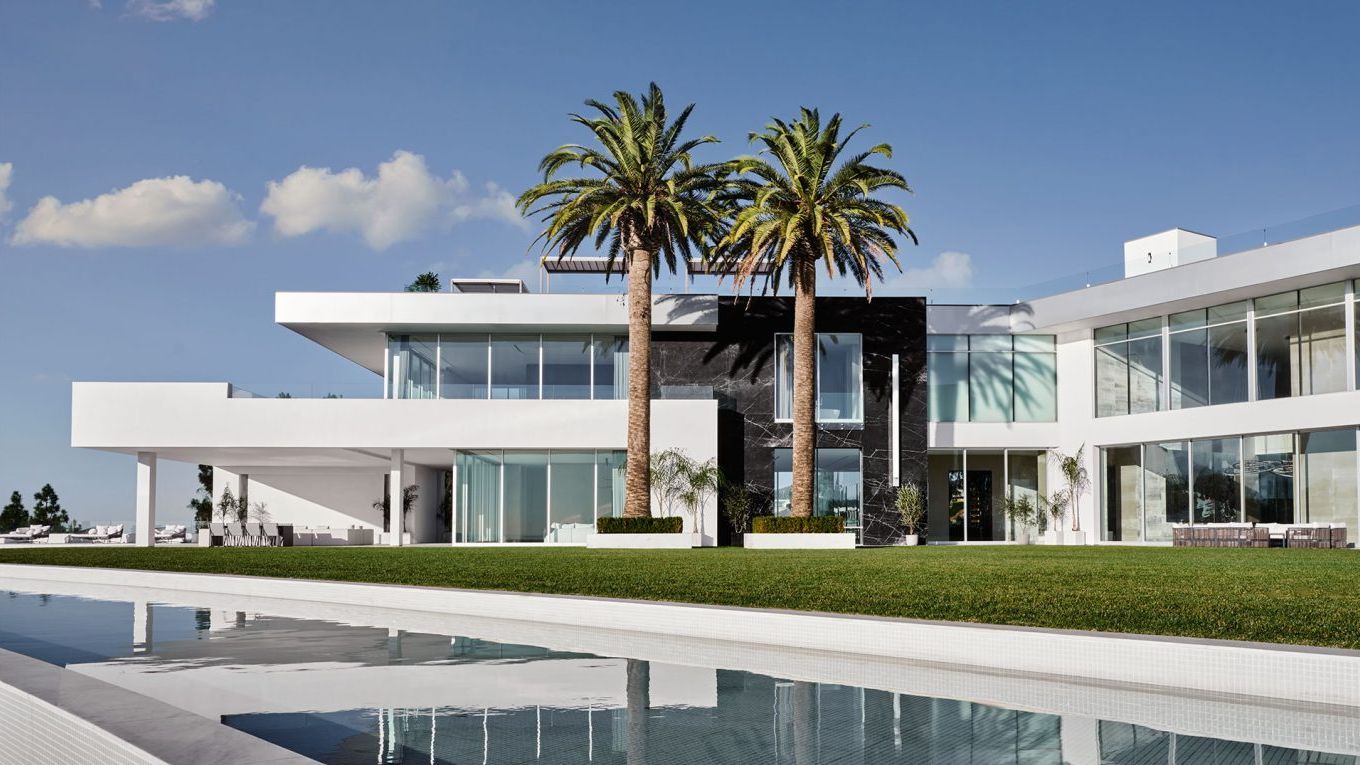
American Modernism vs. Japanese Minimalism
The following table contrasts the primary traits of these two dominant styles found in mega mansions.
| Feature | American Modern | Japanese Minimalist |
|---|---|---|
| Scale | Expansive, multi-wing layouts | Compact, single-story footprints |
| Materials | Glass, steel, polished concrete | Natural wood, stone, shoji screens |
| Lighting | Floor-to-ceiling windows, open atriums | Diffused light, paper lanterns |
| Interior Flow | Grand, open-plan living areas | Tatami rooms, sliding partitions |
American modern luxury homes often prioritize spectacle. Think of the sprawling estates in Atlanta or Beverly Hills, where floor-to-ceiling glass walls dissolve the boundary between interior and exterior. These spaces are designed for entertaining, featuring high ceilings and bold geometric lines that command attention.
In contrast, Japanese minimalist mansions seek tranquility. The design philosophy centers on ma (negative space) and the tactile quality of natural materials. Instead of dominating the landscape, these homes blend into it, using sliding doors and wooden textures to create a serene, meditative atmosphere. The luxury here is found in the silence and the precision of the craftsmanship.
Follow the tour sequence
A luxury mansion tour follows a specific rhythm, moving from the broadest impressions of scale to the most intimate details of craftsmanship. When touring high-end properties in Atlanta or Japan, the goal is to assess how the architecture frames the lifestyle rather than just counting rooms.
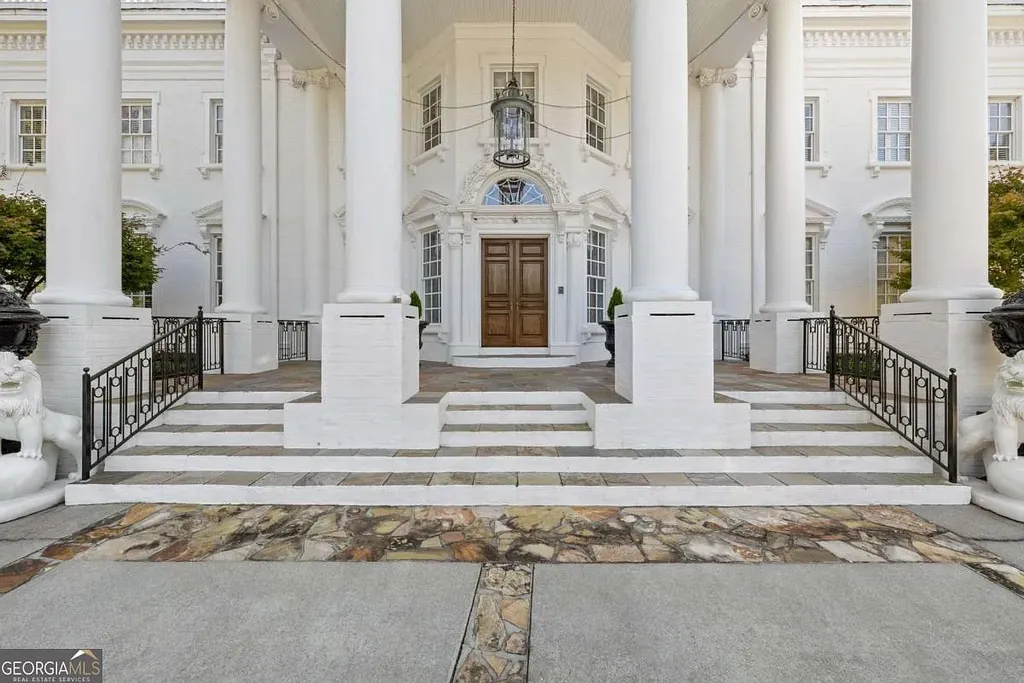
Begin outside. In Atlanta, look for gated entries with heavy ironwork or stone walls that signal privacy. In Japanese estates, observe the roji (tea garden path) which is designed to transition your mindset from the busy world to a state of calm. The driveway should feel like a curated arrival, not just a parking lot.
Step back to view the facade. High-end homes use premium materials like limestone, cedar shakes, or hand-laid brick. Check for symmetry and proportion. In modern Atlanta estates, look for floor-to-ceiling glass that blurs the line between interior and exterior. In traditional Japanese homes, note the engawa (veranda) that connects the living space to the garden.
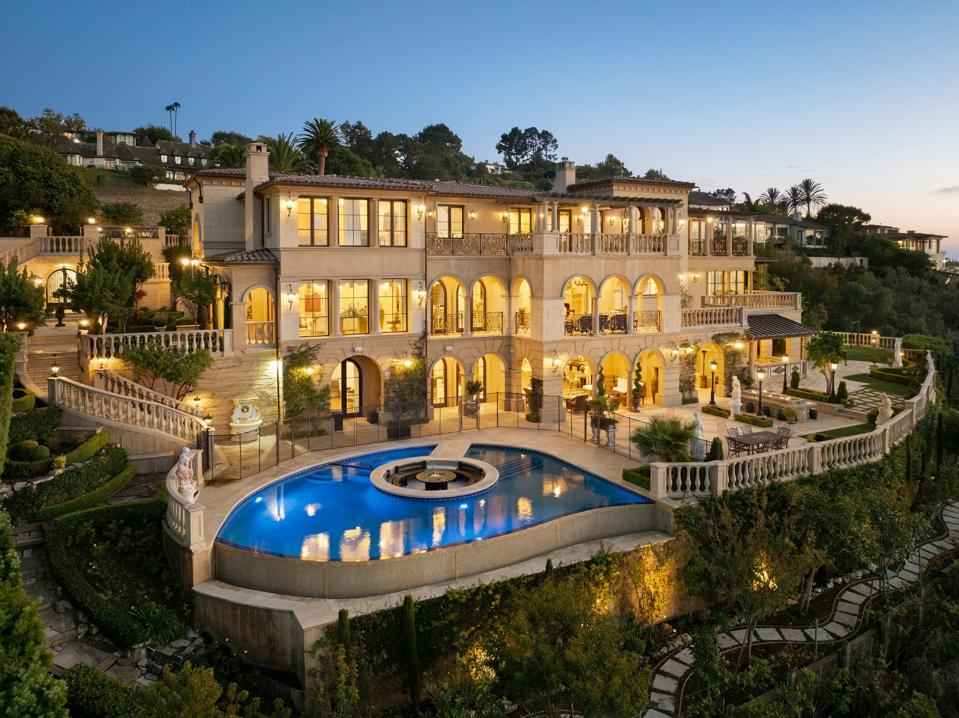
The entrance sets the tone. Look for double-height ceilings or dramatic staircases. In luxury markets, the foyer often features a statement chandelier or a large-scale art piece. The flooring should be consistent and high-quality, such as wide-plank oak or polished marble, without visible seams or transitions that feel cheap.
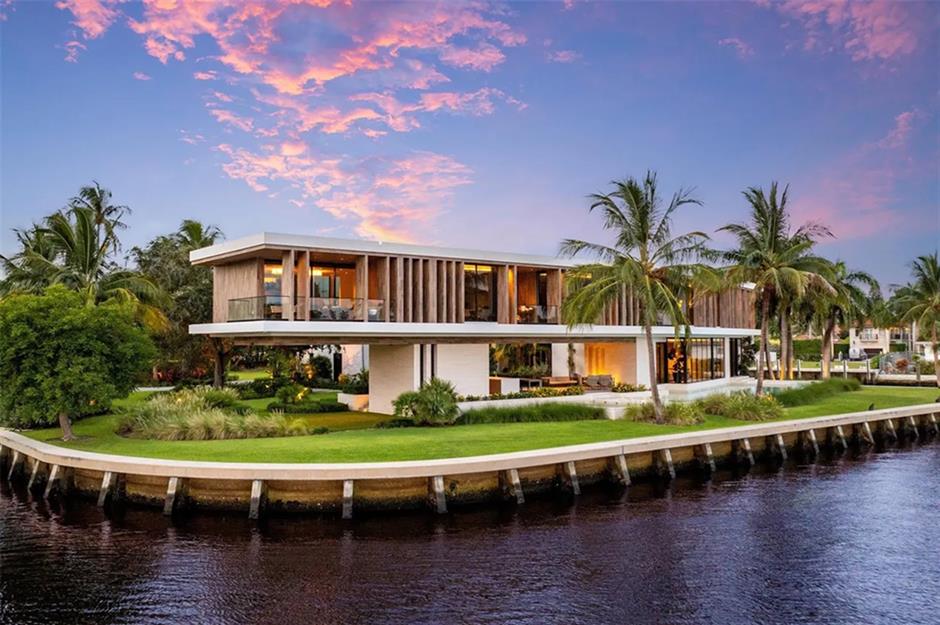
Flow is critical. Open-concept living rooms should feel expansive but not empty. Check for architectural details like coffered ceilings, wainscoting, or built-in millwork. In Japanese-inspired luxury homes, look for shoji screens or tatami rooms that offer a different kind of spatial flexibility. The connection to the kitchen should be seamless for entertaining.
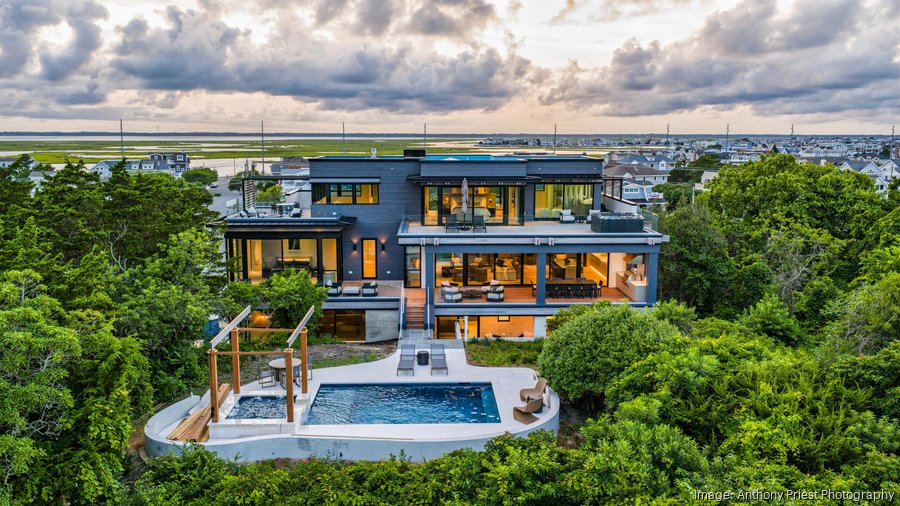
This is the heart of the home. High-end kitchens feature professional-grade appliances (Wolf, Sub-Zero, Miele), large islands with seating, and specialized storage like wine coolers or pantries. In luxury tours, pay attention to the finish quality of cabinetry and countertops. A butler’s pantry or scullery is a common feature in larger estates to keep prep work hidden.
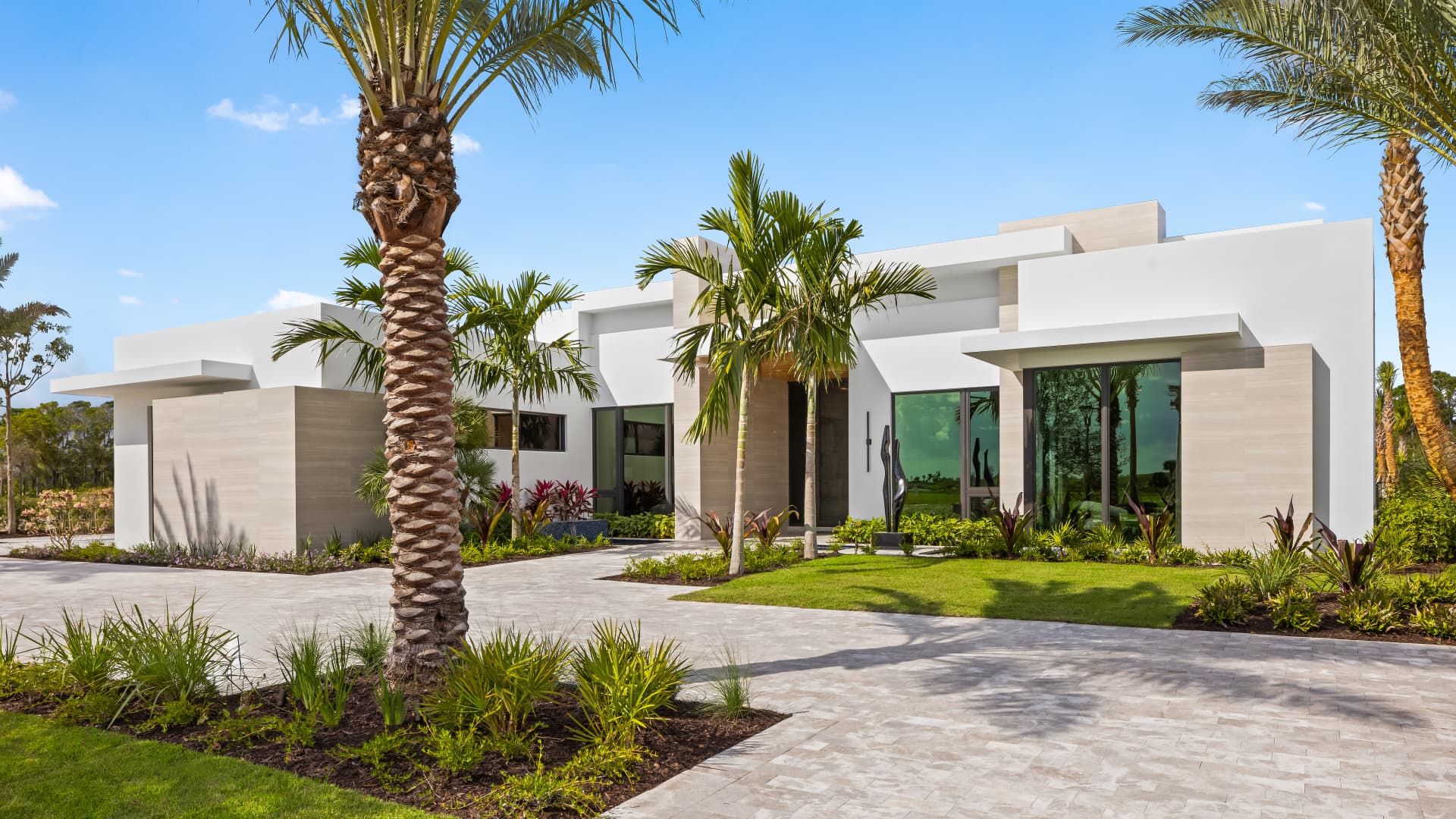
The master suite should feel like a retreat. Look for a sitting area, a fireplace, and a spa-like bathroom with dual vanities and a soaking tub. In luxury properties, closets are often walk-in dressing rooms with custom organization systems. Check for soundproofing and private access to the outdoors or a terrace.
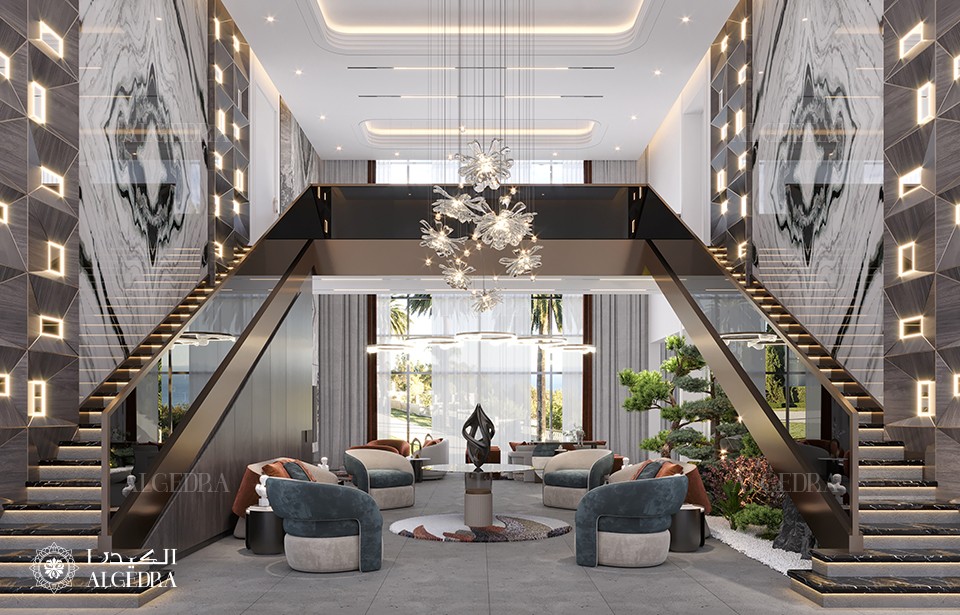
End outside. Luxury homes extend the living space outdoors with kitchens, fire pits, and pools. In Atlanta, look for covered patios and manicured landscapes. In Japanese estates, the garden is a living art piece, featuring rocks, water features, and carefully pruned trees. The outdoor area should feel like a natural continuation of the interior design.
Compare top global locations
Luxury real estate is not a monolith; it is a reflection of local geography, culture, and architectural heritage. When touring the world’s most opulent properties, the experience in Atlanta, Georgia, diverges sharply from the serene, minimalist elegance found in Japan. Understanding these regional distinctions helps buyers and enthusiasts appreciate the specific values driving mega-mansion markets.
In Atlanta, luxury is defined by scale and grandeur. The city’s mega-mansions often sit on sprawling acres, featuring expansive footprints, resort-style amenities, and classical or neo-traditional aesthetics. These homes prioritize indoor-outdoor living with massive terraces, infinity pools, and guest houses, reflecting a culture that values hospitality and space. The architecture is bold, often utilizing stone, stucco, and large columns to convey permanence and status.
Conversely, Japanese luxury homes emphasize harmony with nature and meticulous craftsmanship. Located in areas like Tokyo’s prestigious Minato Ward or Kyoto’s historic districts, these properties are typically more compact but infinitely more detailed. The design philosophy centers on ma (negative space), natural materials like cedar and stone, and seamless integration with gardens. Privacy is paramount, often achieved through high walls and strategic landscaping rather than sheer size.
The following comparison highlights the distinct characteristics of these two luxury markets.
| Feature | Atlanta, USA | Japan |
|---|---|---|
| Primary Focus | Scale, grandeur, and entertainment space | Craftsmanship, harmony with nature, and privacy |
| Typical Lot Size | Large, sprawling acres | Compact, urban, or secluded hillside |
| Architectural Style | Neo-traditional, French Chateau, Modern Farmhouse | Modern Japanese, Zen-inspired, traditional wood |
| Key Amenities | Home theaters, wine cellars, resort pools | Onsen (hot springs), tea rooms, zen gardens |
| Material Palette | Stone, stucco, large glass expanses | Cedar, stone, paper screens, concrete |
While Atlanta offers the fantasy of a private estate, Japan offers the refinement of a curated sanctuary. Both represent the pinnacle of luxury, but they cater to different desires: one for expansive living, the other for contemplative beauty.
Check the luxury amenities
Defining a mega mansion goes beyond square footage; it is about the density of high-end features that transform a house into a private resort. When touring these properties, look for amenities that prioritize entertainment, wellness, and seamless technology. The goal is to identify spaces that function as standalone destinations within the home.
Entertainment and Wellness Spaces
Private theaters and spas are standard in top-tier listings. A true luxury home often includes a dedicated screening room with tiered seating and a commercial-grade sound system, rather than just a large TV in a living area. Similarly, look for wellness facilities that rival high-end clubs, such as indoor pools, saunas, steam rooms, and professional gym spaces with mirrored walls and rubber flooring.
Smart Home Integration
Modern mansions rely on integrated smart home technology to manage lighting, climate, security, and audio-visual systems from a single interface. This automation ensures that the home operates smoothly behind the scenes. Check if the system allows for remote control and if the infrastructure supports future upgrades without requiring extensive rewiring.
Checklist: Essential Amenities
- Private home theater or cinema room
- Indoor pool, spa, or sauna
- Professional-grade gym or yoga studio
- Wine cellar with climate control
- Smart home automation system
- Chef’s kitchen with commercial appliances
- Guest house or separate living quarters
Watch a virtual mansion tour
Seeing a property in photos often flattens the experience, missing the way light moves through a grand foyer or how a kitchen flows into a living space. A video tour restores that sense of scale, letting you walk through the rooms at your own pace. This visual reference helps you gauge the true impact of the architecture and interior design choices.
The following video presents a curated look at top modern luxury mansions, highlighting breathtaking interior designs that define contemporary opulence. It serves as a practical example of how high-end properties balance aesthetic grandeur with functional living spaces.
Common Questions About Luxury Mansions
Travelers and real estate enthusiasts often ask about the specific addresses and record-breaking valuations of the world’s most famous residences. Below are answers to the most frequent searches regarding celebrity homes and current market peaks.
No comments yet. Be the first to share your thoughts!