

Global luxury real estate trends
The 2026 market for luxurious mansions is defined by a sharp divergence in buyer priorities. While the United States continues to see record-breaking sales for ultra-large estates, international markets are shifting toward architectural efficiency and privacy. This split creates a complex landscape for high-stakes real estate decisions, where value is no longer measured solely by square footage but by strategic location and design integrity.
In the US, the mega-mansion segment remains resilient, driven by a scarcity of prime land in coastal hubs. Transactions like the $225 million sale in Naples and the $210 million Malibu estate highlight the enduring demand for exclusive, low-density properties. Buyers are increasingly treating these assets as safe-haven investments, prioritizing long-term appreciation over short-term liquidity. This trend is well-documented by industry leaders like Mansion Global, which notes that ultra-high-net-worth individuals are consolidating wealth into tangible, high-value real estate.
Conversely, international luxury markets are seeing a move toward more refined, less ostentatious designs. European and Asian buyers are favoring properties that offer architectural distinction and privacy over sheer size. This shift reflects a broader global trend where luxury is defined by experience and exclusivity rather than just scale. The JamesEdition data supports this, showing a steady increase in demand for properties with unique historical or architectural significance, even if they are smaller in footprint.
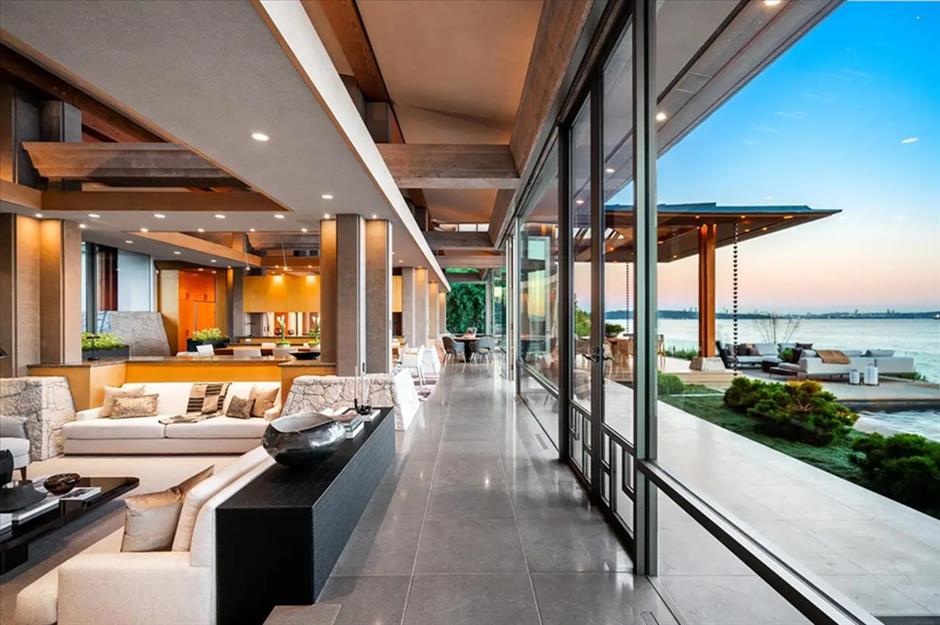
To understand the broader market trajectory, it is essential to look at global luxury home price indices. These charts reveal how luxury real estate is outperforming traditional asset classes in many regions, providing a clearer picture of where value is being created in 2026.
Atlanta's Land Advantage Fuels Mega-Mansion Growth
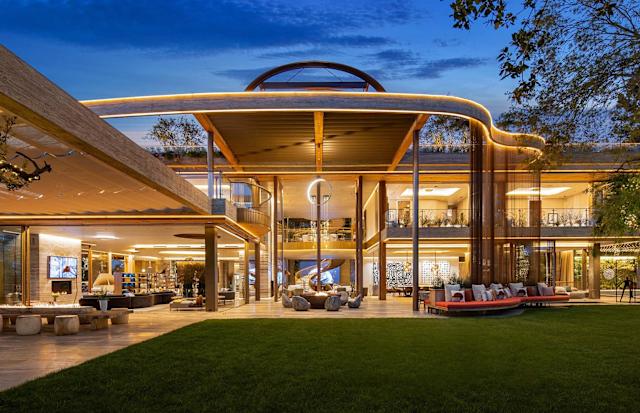
Atlanta has emerged as a primary hub for the most luxurious mansions in the United States, driven by a unique combination of land availability and aggressive new construction. Unlike coastal markets where lot sizes are constrained by geography and zoning, the Atlanta metropolitan area offers expansive parcels that allow for the construction of estates exceeding 20,000 square feet. This spatial freedom enables developers to build not just homes, but self-contained compounds with extensive grounds, catering to the growing demand for ultra-large properties among high-net-worth individuals.
The market dynamics in Atlanta differ significantly from traditional luxury centers like New York or San Francisco. While those markets often rely on vertical density or historic preservation, Atlanta’s luxury sector is defined by horizontal scale and modern infrastructure. New developments in areas like Buckhead and Alpharetta are setting new benchmarks for size and amenities, offering buyers the ability to customize every aspect of their mega-mansion without the restrictive heritage laws found in older cities. This flexibility has attracted buyers seeking privacy and space, making Atlanta a top destination for those looking to acquire the most luxurious mansions without the premium pricing of coastal enclaves.
To understand the scale of this market, it is helpful to compare Atlanta’s mega-mansions against other high-end property types. The following table contrasts typical Atlanta luxury estates with New York penthouses, highlighting the differences in price per square foot and total living area.
| Metric | Atlanta Mega-Mansion | NYC Luxury Penthouse | Key Distinction |
|---|---|---|---|
| Average Size | 20,000+ sq ft | 5,000–8,000 sq ft | 3–4x larger footprint |
| Land Included | 1–5 acres | None (common area) | Private grounds vs. shared lobby |
| Price per Sq Ft | $800–$1,500 | $3,000–$6,000+ | Lower density cost |
| New Construction | High availability | Limited supply | Customizable vs. fixed layout |
This comparison underscores why Atlanta is becoming a preferred location for those prioritizing space and land over urban prestige. The ability to acquire a large, modern estate with significant land holdings offers a value proposition that is increasingly difficult to find in other major US cities. As the market for luxurious mansions continues to evolve, Atlanta’s supply of buildable land ensures it will remain a central player in the ultra-luxury sector for the foreseeable future.
Japan's architectural marvels
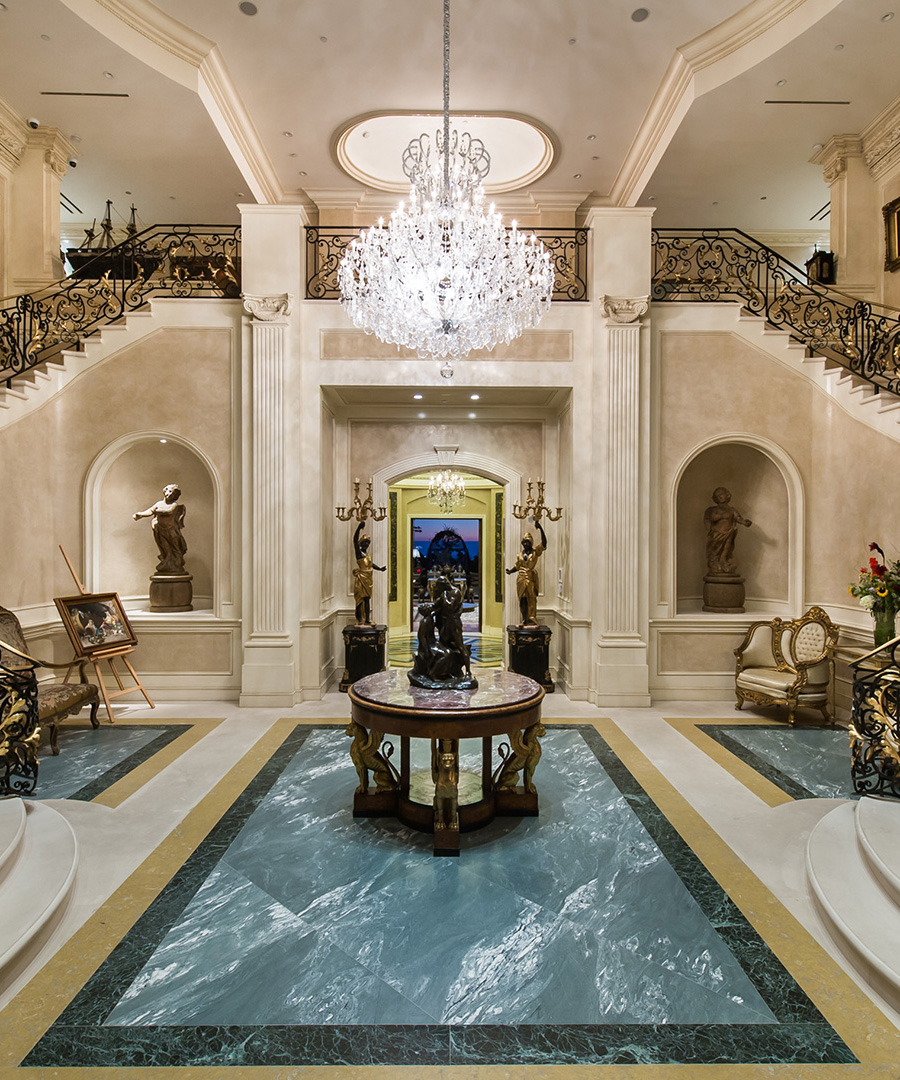
While the American mega-mansion model prioritizes sheer square footage and expansive grounds, Japan’s most luxurious mansions operate on a different frequency. Here, luxury is defined by architectural precision, seamless technology integration, and the sophisticated optimization of space. In high-density urban centers like Tokyo and Kyoto, the value of a property lies not in how much land it occupies, but in how masterfully it manipulates its environment.
This approach transforms the home into a sanctuary of tranquility amidst urban chaos. High-end Japanese residences often feature sound-dampening materials, hidden structural elements, and automated systems that adjust lighting, temperature, and privacy screens in real-time. The result is a living space that feels both expansive and intensely intimate, offering a level of comfort that square footage alone cannot achieve.
For investors and buyers, understanding this distinction is critical. The Japanese market rewards properties that demonstrate engineering excellence and cultural resonance. These homes are not just structures; they are carefully curated experiences that prioritize quality of life over quantity of space, setting a benchmark for modern luxury that continues to influence global design trends.
Pricing and investment metrics
The 2026 luxury real estate market operates on a tiered valuation system that separates true institutional assets from high-end residential properties. While entry-level luxury homes in major metros like Los Angeles and New York start around $5 million, the top tier of luxurious mansions commands prices that defy traditional comparative market analysis. These properties are valued on scarcity, historical significance, and architectural rarity rather than square footage alone.
Current data from JamesEdition and Mansion Global indicates that ultra-luxury listings ($20 million+) have seen a stabilization in price points after the volatility of the early 2020s. Buyers are increasingly focused on turnkey estates in Miami and Naples, where recent sales have exceeded $200 million. This shift suggests a flight to quality and location certainty among high-net-worth investors.
Investment returns for these assets are often measured in decades, not quarters. Unlike standard residential real estate, luxurious mansions tend to appreciate at a slower but more consistent rate, serving as a hedge against inflation. For investors, the primary metric is not just the purchase price but the liquidity premium—the ability to sell quickly in a stable market. Properties with unique historical provenance, such as those owned by notable figures, often retain value better during economic downturns.
Key Questions on the Luxury Mansion Market
The 2026 luxury real estate landscape is defined by extreme polarization. While record-breaking transactions grab headlines, the timing of entry and exit remains critical for high-net-worth investors. Below, we address the most frequent high-intent queries regarding celebrity holdings, seasonal market dynamics, and historical sales records.
Data from Mansion Global and JamesEdition confirms that while celebrity homes like Swift's Beverly Hills estate maintain cultural relevance, the financial mechanics of luxury sales are driven by macroeconomic timing. Sellers targeting the 2026 market should avoid the winter slowdown to maximize valuation.
No comments yet. Be the first to share your thoughts!