

Spotting modern design in atlanta mega mansions
The landscape of luxury real estate in Atlanta has shifted dramatically. Gone are the days when sprawling estates relied solely on heavy stone facades and ornate detailing to convey status. Today, the most coveted properties in Buckhead and Sandy Springs define luxury through minimalism, expansive footprints, and a deliberate blurring of indoor and outdoor boundaries.
Modern architectural cues are distinct. Look for floor-to-ceiling glass walls that eliminate visual barriers, allowing natural light to flood open-concept living spaces. Cantilevered roofs that appear to float above the structure add a sense of weightlessness and engineering precision. These elements are not merely aesthetic; they signal a design philosophy rooted in transparency and connection to the surrounding landscape.
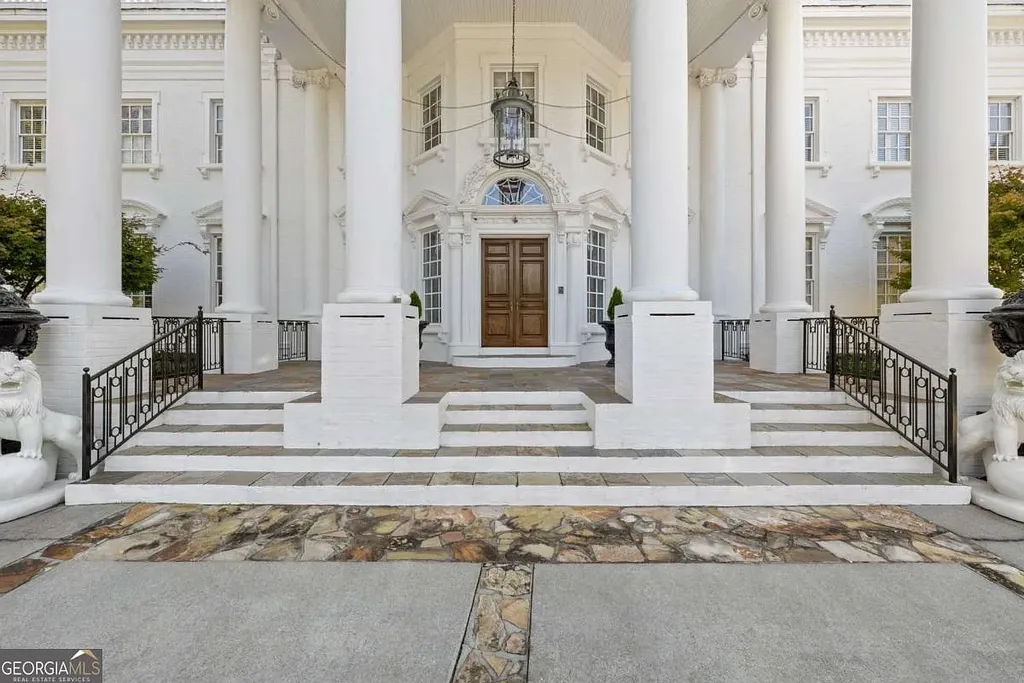
This approach mirrors trends seen in contemporary Japanese architecture, where simplicity and material honesty are paramount. Just as a Kyoto residence might use sliding shoji screens to modulate light and privacy, Atlanta’s modern mega mansions use automated glass systems and retractable walls to adapt to weather and occasion. The result is a home that feels less like a fortress and more like a curated extension of the environment.
When evaluating these properties, focus on the quality of the materials rather than the quantity of rooms. High-end modern design prioritizes clean lines, sustainable timber accents, and polished concrete or stone floors. The goal is to create a serene, uncluttered atmosphere that lets the architecture itself speak. If a property feels overwhelming or busy, it likely lacks the restraint that defines true contemporary luxury.
Comparing Japanese Estate Architectural Details
Atlanta’s luxury market is defined by scale, often featuring sprawling footprints that emphasize interior volume and grand entrances. In contrast, modern luxury estates in Japan, particularly in Tokyo’s Minato ward, prioritize density and integration with the surrounding environment. These homes achieve opulence not through sheer size, but through meticulous material selection and spatial efficiency.
Japanese architects frequently employ wabi-sabi principles, finding beauty in imperfection and transience. This results in structures that feel grounded and organic rather than imposing. Large expanses of glass blur the line between interior living spaces and meticulously curated gardens, creating a sense of continuity with nature that is distinct from the manicured lawns typical of American estates.
| Feature | Atlanta Mansions | Japanese Estates |
|---|---|---|
| Scale | Large footprints, high ceilings | Compact, multi-level efficiency |
| Materials | Stone, brick, stucco | Wood, concrete, glass |
| Landscape | Expansive lawns, pools | Integrated gardens, zen spaces |
| Privacy | High fences, gates | Strategic screening, interior focus |
The contrast in layout strategies reflects different cultural approaches to luxury. Atlanta estates often serve as standalone monuments, while Japanese mansions function as private sanctuaries within dense urban fabrics. This requires a more inward-looking design philosophy, where every square meter is optimized for comfort and aesthetic harmony.
Evaluate interior luxury finishes and amenities
Assessing the interior of a luxury mansion requires looking past the square footage to the quality of materials and the integration of technology. Whether in Atlanta or Japan, high-end homes are defined by how these elements work together. This section walks through the specific features that signal true luxury, from smart home infrastructure to custom millwork.
Modern luxury is defined by invisible technology. In Atlanta mansions, look for integrated systems that control lighting, climate, and security through a single interface. These systems should be centralized and unobtrusive. In Japan, smart home features often emphasize energy efficiency and privacy, with automated shading and soundproofing systems that adapt to the environment. Verify that the wiring is professional and the interface is intuitive, not cluttered with multiple apps.
High-end bathrooms are retreats, not just functional spaces. Look for freestanding tubs made of natural stone or cast iron, rain showers with multiple heads, and heated floors. In Japan, traditional elements like soaking tubs (ofuro) made from hinoki cypress wood are common in luxury homes. In Atlanta, expect large walk-in showers with frameless glass and premium fixtures from brands like Dornbracht or Waterworks. Check for proper ventilation and waterproofing, which are critical for longevity.
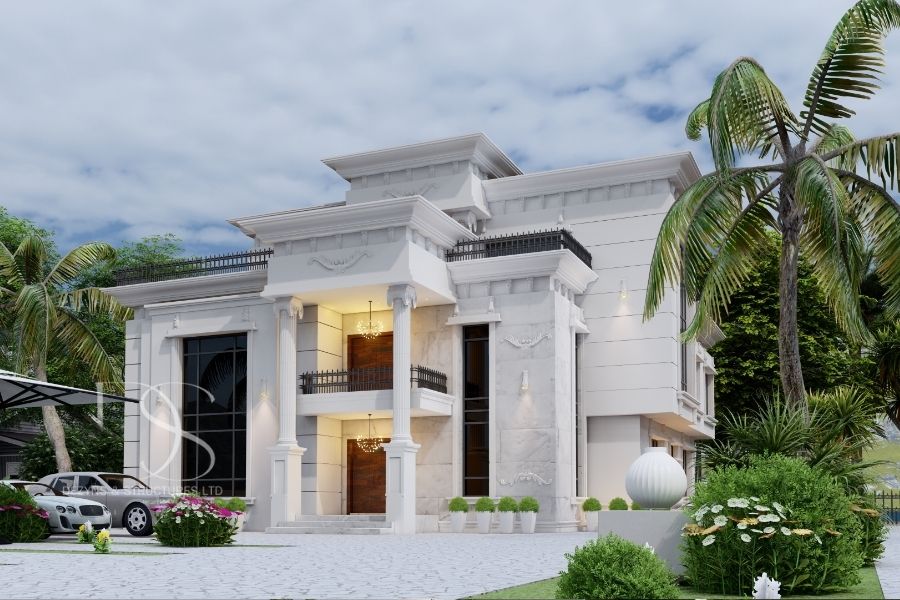
Custom millwork is a hallmark of luxury, distinguishing a mansion from a standard luxury home. Look for floor-to-ceiling built-ins, wainscoting, and custom cabinetry that fits the room’s architecture perfectly. In Atlanta, this often includes elaborate woodwork with intricate moldings. In Japan, luxury homes may feature minimalist, seamless cabinetry using high-quality woods like walnut or cedar, emphasizing clean lines and natural textures. Inspect the joinery and finish quality; gaps or uneven seams indicate poor craftsmanship.
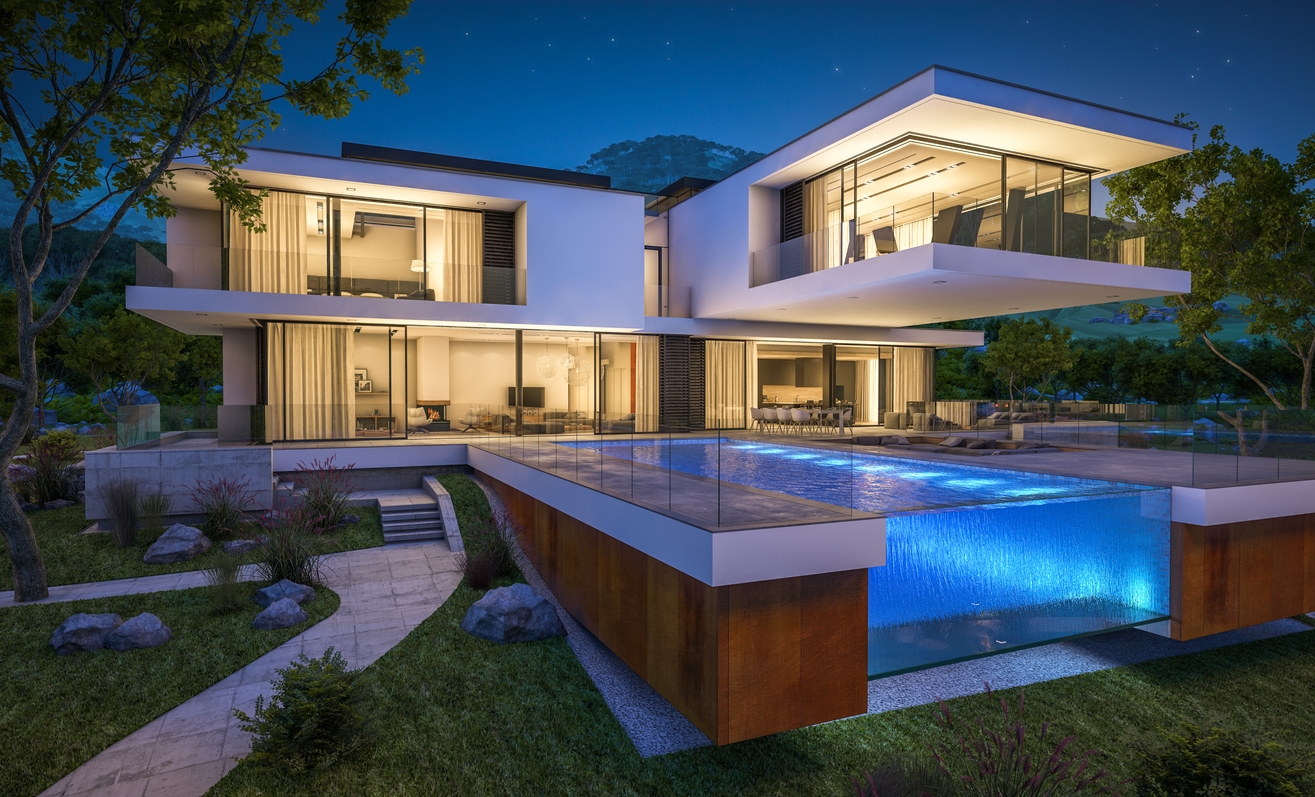
Flooring sets the tone for the entire interior. Luxury homes typically use wide-plank hardwood, natural stone, or high-end tiles. In Atlanta, herringbone or chevron patterns in oak or walnut are popular. In Japan, polished concrete or large-format stone tiles are common, often paired with tatami mats in specific rooms. Ensure the materials are sourced responsibly and installed with precision. Look for seamless transitions between rooms and consistent grading of the material.
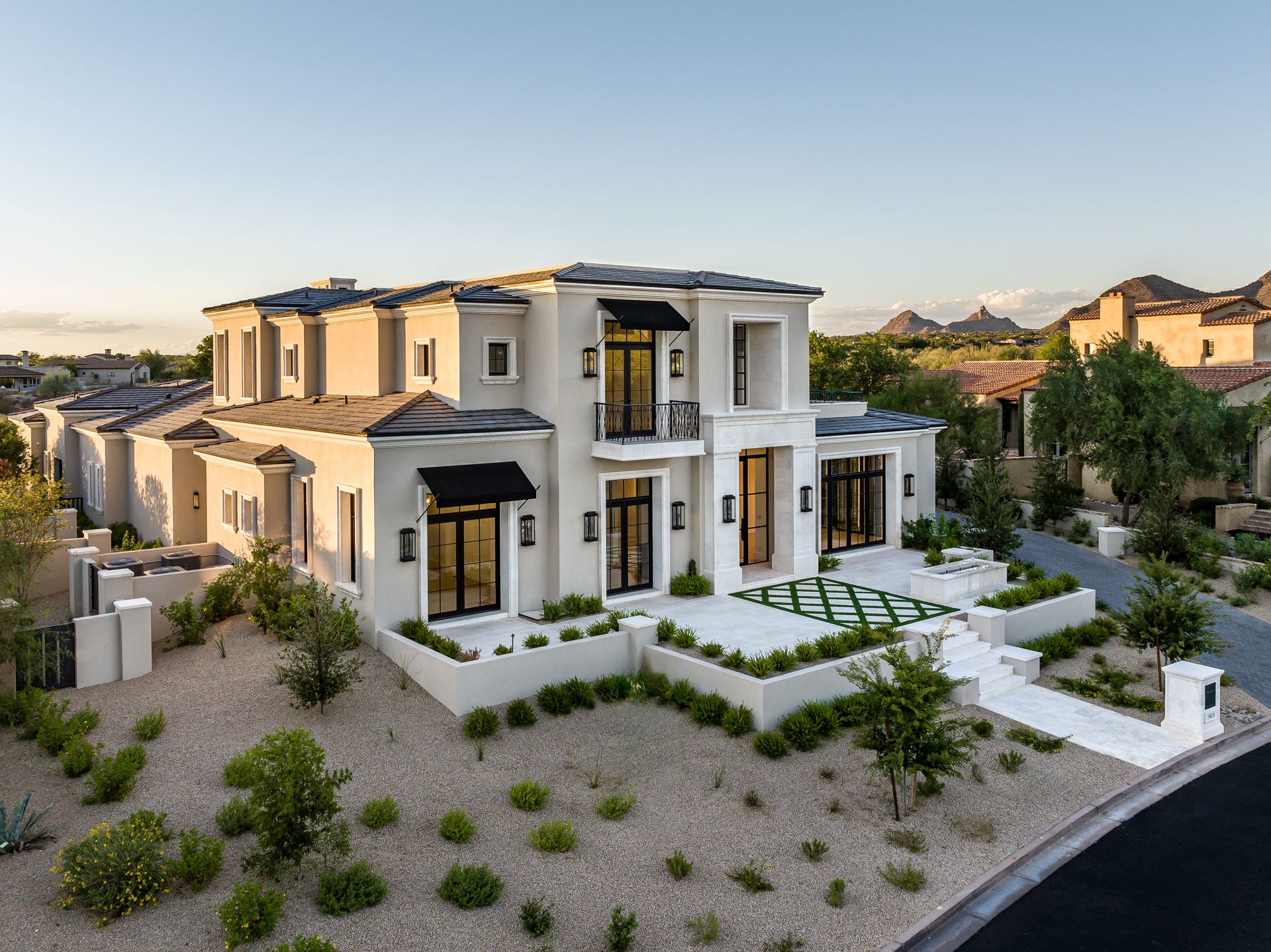
Kitchens and laundry rooms in luxury homes feature professional-grade appliances. Look for brands like Sub-Zero, Wolf, or Gaggenau. In Japan, high-tech appliances with compact designs are common, focusing on efficiency and multi-functionality. In Atlanta, expect full-size suites with wine refrigerators and double ovens. Verify that the appliances are integrated into the cabinetry for a cohesive look and that the ventilation systems are powerful enough to handle professional cooking.
These interior features are not just aesthetic choices; they are investments in comfort and functionality. When evaluating a mansion, pay close attention to the details. The quality of these finishes often determines the long-term satisfaction of living in the home.
Check structural integrity and land value
Before signing on the dotted line for a luxury mansion in Atlanta or Japan, you must verify the physical foundation and the land it sits on. These properties are not just homes; they are complex assets where structural flaws can cost millions to fix, and land rights can be surprisingly complicated.
Structural verification
In Atlanta, older estates may have settled over decades. Look for uneven floors, cracks in the foundation, or water damage in the basement. In Japan, structural integrity is paramount due to seismic activity. Ensure the home has been retrofitted to meet current building codes. A professional inspection should check for termite damage, roof leaks, and the condition of the HVAC systems, which are critical for maintaining comfort in both humid Southern summers and Japanese winters.
Land value implications
Land value in prime locations like Buckhead or Tokyo’s Minato ward is often higher than the structure itself. In Atlanta, check for zoning restrictions that might limit future expansion. In Japan, verify the land use rights and any historical preservation laws that could restrict renovations. Understanding these legal and physical constraints is essential to making an informed investment.
Structural and land value checklist
-
Hire a specialized structural engineer for a full assessment
-
Review seismic retrofitting certificates (Japan) or foundation reports (Atlanta)
-
Check local zoning laws for expansion possibilities
-
Verify land use rights and any historical preservation restrictions
-
Inspect HVAC and plumbing systems for age and condition
Watching a tour of a top modern luxury mansion
Visual walkthroughs bridge the gap between architectural specifications and lived experience. By observing a curated tour of a top modern luxury mansion, readers can assess how spatial planning, material selection, and light interaction define contemporary luxury in both Atlanta and Japan.
The featured video tour showcases a residence that blends minimalist Japanese aesthetics with American scale. Note the seamless integration of indoor and outdoor spaces, a hallmark of modern luxury design. Large sliding glass walls dissolve the boundary between the interior living area and the landscaped garden, emphasizing natural light and ventilation.
Inside, the focus shifts to material authenticity. Raw concrete floors contrast with warm cedar accents, while open-concept layouts prioritize flow over compartmentalization. These design choices reflect a global shift toward tranquility and functionality in high-end residential properties.
Frequently asked questions about luxury estates
What are the typical maintenance costs for a mega mansion in Atlanta or Japan?
Owning a luxury estate requires a substantial annual budget for upkeep, often ranging from 1% to 4% of the property’s value. In Atlanta, this covers high-end landscaping, climate control for large square footage, and security systems. Japanese estates face different challenges, including rigorous seismic retrofitting, traditional garden maintenance, and specialized care for materials like hinoki cypress or stone walls that require specific humidity control.
How do design priorities differ between Atlanta and Japanese mega mansions?
Atlanta’s luxury market favors expansive indoor-outdoor living, featuring grand terraces, infinity pools, and separate guest houses that emphasize entertainment space. Japanese mega mansions prioritize privacy, minimalism, and integration with nature. Design elements often include zen gardens, sliding shoji screens, and multi-level layouts that maximize limited urban land while adhering to strict aesthetic codes.
Are there unique legal considerations for foreign buyers in these markets?
In Atlanta, international buyers face standard US real estate laws, including tax implications and title insurance requirements. Japan has recently relaxed restrictions on foreign ownership, but buyers must navigate complex inheritance tax laws and registration procedures. Both markets require careful due diligence to ensure compliance with local zoning and environmental regulations, particularly in historic or protected areas.
No comments yet. Be the first to share your thoughts!