

Beyond Automation: The Rise of Truly Intelligent Mansions
Smart homes used to mean just remote-controlled lights and thermostats. That’s automation, and it’s old news. We’re now entering an era of genuinely intelligent mansions, where AI doesn’t just respond to commands, but anticipates needs and proactively manages the living environment. This isn’t a subtle shift; it’s a fundamental change in how we interact with our homes.
The $500 million mansion showcased on YouTube provides a glimpse into this future. It’s not simply a house full of gadgets; it’s a cohesive system designed to optimize every aspect of life for its occupants. The level of integration is remarkable, with AI managing everything from security and climate control to entertainment and even art displays. I’m honestly a little skeptical of the price tag, but the technology on display is very real.
This move towards intelligence relies on a shift from reactive to predictive control. Traditional smart homes wait for you to adjust the temperature. These new mansions learn your preferences and adjust it before you even think about it. The difference is subtle, but incredibly impactful. It’s about creating a home that feels truly attuned to your rhythms.
Research from 2022, as detailed in a paper published by ResearchGate, emphasizes the importance of user-centric design in smart homes. The study highlights dimensions like comfort, security, and efficiency as goals for homeowners. It’s clear that the industry is moving beyond simply adding technology and is focusing on how that technology enhances the human experience.
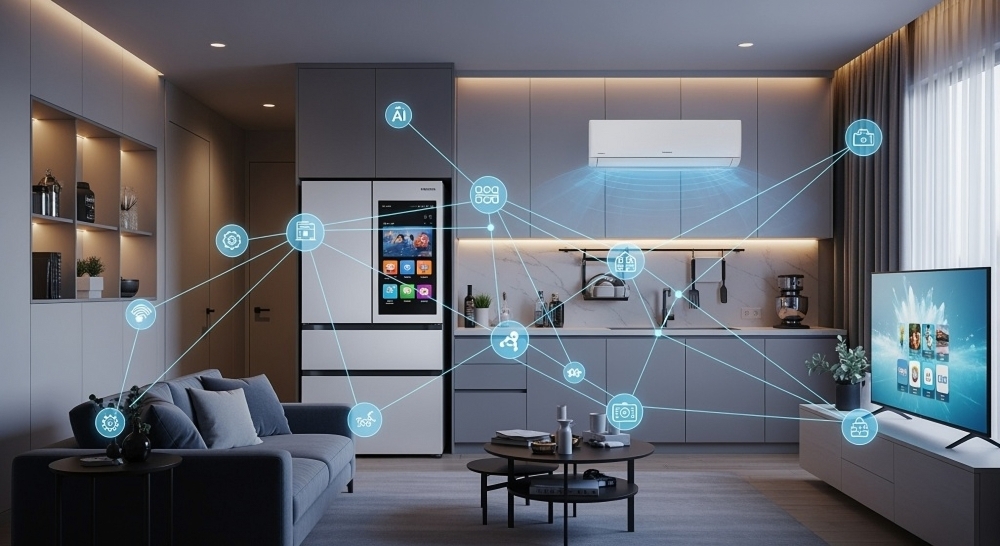
The AI Brain: Centralized Control and Predictive Systems
Central to these AI-powered mega mansions is a centralized control system—the "brain’ of the house. This system gathers data from countless sensors throughout the property, analyzing everything from temperature and humidity to occupancy patterns and energy consumption. It"s a massive undertaking in data management and processing.
The Wall Street Journal recently highlighted the increasing ease of life these smart homes provide, but that ease relies on complex algorithms. These systems use machine learning to identify patterns and predict occupant behavior. For example, the AI might learn that you typically wake up at 7:00 AM and automatically adjust the lighting, temperature, and even start brewing coffee. It’s about anticipating needs, not reacting to them.
I'm curious about the dominant AI frameworks being used in these systems. While many companies offer smart home platforms, a few seem to be gaining traction. I’ve noticed a lot of integration with Google Assistant and Amazon Alexa, but it's unclear if these are simply voice control interfaces or are deeply integrated into the core AI functionality. It’s likely a mix of proprietary and off-the-shelf solutions.
Energy management is a critical function of this centralized AI. By monitoring energy usage in real-time, the system can optimize consumption, reduce waste, and even integrate with renewable energy sources like solar panels. This isn't just about saving money; it's about creating a more sustainable living environment. The ability to proactively adjust energy use based on predicted occupancy is a huge step forward.
Security Reimagined: Proactive Protection and Biometric Integration
Security is arguably the biggest driver of innovation in the smart mansion space. Traditional security systems are reactive – they alert you after a breach. AI-powered systems, however, are proactive, using a variety of technologies to prevent breaches from happening in the first place.
Facial recognition is now commonplace, allowing the home to identify residents and authorized visitors. But it goes beyond that. Systems can now analyze behavior patterns to detect anomalies that might indicate a threat. For instance, if someone is lingering near a property line for an extended period, the system might automatically alert security personnel or deploy drone surveillance – as showcased in the Texas mansion tour.
Biometric access control, using fingerprints or retinal scans, adds another layer of security. This eliminates the risk of lost keys or stolen access codes. However, it also raises privacy concerns. How is this biometric data being stored and protected? That's a critical question that needs to be addressed.
The potential for misuse of this technology is real, and it's something we need to be mindful of. While these systems offer enhanced security, they also create a significant amount of data that could be vulnerable to hacking or surveillance. Strong encryption and robust data privacy policies are essential.
- Facial Recognition: Identifies residents and authorized visitors.
- Biometric Access Control: Uses fingerprints or retinal scans for secure entry.
- Drone Surveillance: Provides aerial monitoring of the property.
- Predictive Threat Detection: Analyzes behavior patterns to identify potential security risks.
Personalized Comfort: Climate, Lighting, and Entertainment Tailored to You
Beyond security, AI is dramatically enhancing comfort and convenience within these luxurious mansions. The goal is to create a living environment that seamlessly adapts to your individual preferences and routines.
Imagine walking into a room and having the lighting automatically adjust to your preferred level and color temperature. Or having your favorite music start playing as you enter the living room. These aren’t futuristic fantasies; they’re realities in many of these homes. The WSJ article rightfully points out how this contributes to an easier lifestyle.
Smart climate control systems learn your ideal temperature for different times of day and activities. They can even adjust the temperature in individual rooms based on occupancy. This level of personalization goes far beyond traditional thermostats. It's about creating a microclimate that's perfectly tailored to your needs.
Integration with smart appliances is key to this personalized experience. For example, your smart refrigerator might suggest recipes based on the ingredients you have on hand, or your smart oven might automatically adjust the cooking time based on the type of food you’re preparing. It’s about creating a seamless and intuitive living experience.
Content is being updated. Check back soon.
The Automated Kitchen: Smart Appliances and AI-Powered Culinary Experiences
The kitchen is rapidly becoming the central hub of the smart home, and AI is playing an increasingly important role in culinary experiences. From automated grocery ordering to recipe recommendations, technology is transforming the way we cook and eat.
Smart refrigerators can track your food inventory, alert you when items are expiring, and even automatically order groceries when you’re running low. This reduces food waste and saves you time and effort. While fully robotic chefs are still relatively rare, we are seeing more and more appliances with AI-powered features.
AI-powered recipe recommendations take into account your dietary restrictions, preferences, and available ingredients. They can even suggest new recipes based on your cooking history. This can be a great way to discover new dishes and expand your culinary horizons. I'm not convinced we'll all have robotic chefs anytime soon, but the trend is clear.
These technologies aren't just about convenience; they're also about promoting healthier eating habits. By providing personalized meal plans and tracking your nutritional intake, AI can help you make more informed food choices. Reducing food waste is another significant benefit, contributing to a more sustainable lifestyle.
- Smart Refrigerators: Track inventory, alert to expiration dates, and automate grocery ordering.
- AI-Powered Recipe Recommendations: Suggest dishes based on preferences and available ingredients.
- Automated Grocery Ordering: Simplifies shopping and reduces the risk of running out of essential items.
AI-Powered Kitchen Essentials for Your Smart Mansion
AI-powered food recognition and inventory management · Large touchscreen Family Hub+ for family organization and entertainment · Customizable door panels to match your kitchen aesthetic
This refrigerator is the centerpiece of a smart kitchen, offering advanced AI for food management and a central hub for family connectivity.
Built-in WiFi for remote control and monitoring via the SmartHQ app · True European Convection with Air Fry for versatile cooking · Guided cooking programs and recipe integration
Elevate your culinary creations with a smart oven that offers precision cooking and intelligent guidance, perfect for the discerning chef.
Automated grinding, dosing, and tamping for perfect espresso · Touchscreen interface with pre-programmed cafe drinks · Precise temperature control for optimal extraction
Experience barista-quality coffee at home with this AI-assisted espresso machine that simplifies the art of coffee making.
InstaView door-in-door allows you to see inside without opening · ThinQ AI enables voice control and smart diagnostics · Crafted Cooling system for optimal food preservation
This smart refrigerator combines innovative convenience with AI-powered features to keep your food fresh and your kitchen connected.
CrystalDry technology for exceptional drying performance · Home Connect app for remote monitoring and control · Quiet operation for an undisturbed living environment
Ensure your kitchen remains pristine with this smart dishwasher that offers intelligent cleaning cycles and convenient app control.
As an Amazon Associate I earn from qualifying purchases. Prices may vary.
Sustainable Living: Energy Management and Resource Optimization
Luxury doesn’t have to come at the expense of sustainability. In fact, many of these AI-powered mansions are designed to minimize their environmental impact. AI plays a crucial role in optimizing energy consumption, managing water usage, and reducing waste.
Smart grids integrate with renewable energy sources like solar panels, allowing the home to generate its own electricity and reduce its reliance on fossil fuels. AI can predict energy demand and optimize the use of solar power, maximizing energy efficiency. The Texas mansion tour likely featured a significant solar panel array.
Automated waste management systems sort and recycle waste, reducing the amount of trash that ends up in landfills. Smart irrigation systems monitor soil moisture levels and adjust watering schedules accordingly, conserving water. These technologies are all about using resources more efficiently.
The research from ResearchGate stresses the dimension of 'environmental awareness' as a crucial element of smart home design. Homeowners are increasingly looking for ways to reduce their carbon footprint, and smart home technology can help them achieve that goal. This isn’t just about being environmentally responsible; it’s also about saving money on utility bills.
The Cost of the Future: Affordability and Accessibility
Let’s be realistic: these AI-powered mega mansions are currently out of reach for most people. The cost of implementing these technologies is substantial, and the ongoing maintenance can be significant. The $500 million price tag mentioned earlier is an extreme example, but even more modest smart homes can easily cost hundreds of thousands of dollars to equip.
The biggest cost drivers include the sensors, the AI processing power, the networking infrastructure, and the professional installation and configuration. Ongoing costs include software updates, maintenance contracts, and energy consumption. It's a significant investment.
Are these technologies becoming more affordable over time? Slowly, yes. The cost of sensors and AI processing power is decreasing, and more companies are offering scalable smart home solutions. However, a fully integrated, AI-powered mansion remains a luxury item.
The key to wider accessibility will be standardization and interoperability. If different smart home devices and platforms can seamlessly communicate with each other, it will lower the barrier to entry for consumers. We also need to see more affordable AI platforms and more DIY installation options.
Examples of AI-Powered Luxury Smart Mansions (2026)
| Location | Key Smart Home Features | Estimated Size (sq ft) | Reported/Implied Focus | Notable Details |
|---|---|---|---|---|
| Sunnyvale, Texas (near Dallas) | Full home automation, integrated security systems, smart lighting, climate control, voice-activated assistants | Approximately 12,000 | Family Living & Entertainment | Showcases a modern aesthetic with extensive use of glass and open-plan living spaces. Emphasis on creating a seamless indoor-outdoor experience. |
| Global (Concept - as showcased in YouTube tours) | AI-powered control of all home systems, predictive maintenance, personalized entertainment, advanced security protocols, automated landscaping | Over 20,000 | Ultra-Luxury & Technological Advancement | Features highly customized environments responding to occupant preferences; incorporates cutting-edge materials and design. Reportedly valued at $500 million. |
| California (General Trend - based on WSJ reporting) | Smart appliances, automated shades, intelligent HVAC systems, integrated entertainment, remote monitoring | Variable, typically 8,000 - 15,000+ | Convenience & Energy Efficiency | Focus on simplifying daily routines and reducing energy consumption. Often includes sophisticated security features and home theater setups. |
| Atlanta, Georgia (General Trend) | Smart security systems, automated lighting, voice-controlled entertainment, integrated climate control | Typically 10,000 - 20,000+ | Security & Comfort | Growing demand for smart home features in luxury properties, with an emphasis on peace of mind and enhanced lifestyle. |
| Japan (General Trend) | Advanced robotics integration, personalized environmental controls, energy-efficient systems, sophisticated security | Variable, often smaller footprint but high-tech | Minimalism & Technological Integration | Focus on seamless integration of technology into a minimalist aesthetic, prioritizing efficiency and convenience. |
Illustrative comparison based on the article research brief. Verify current pricing, limits, and product details in the official docs before relying on it.
Looking Ahead: Emerging Trends and the Future of Intelligent Living
The future of smart mansions is incredibly exciting. We're on the cusp of even more transformative technologies that will redefine how we live. Holographic interfaces and augmented reality integration are just around the corner, promising to create immersive and intuitive living experiences.
Imagine being able to control your home with a wave of your hand or interacting with virtual assistants projected into your living room. Augmented reality could overlay information onto your physical environment, providing real-time data about energy consumption or security status. The possibilities are endless.
Even more advanced AI capabilities are on the horizon. We can expect to see AI systems that are even more proactive, predictive, and personalized. They will be able to learn your habits and anticipate your needs with even greater accuracy. The goal is to create a home that truly understands you.
However, it's important to consider the ethical implications of increasingly intelligent homes. Privacy, security, and data ownership are all critical concerns that need to be addressed. We need to ensure that these technologies are used responsibly and ethically, enhancing the human experience without compromising our fundamental rights.
U Neostichu, Prague 🇨🇿 I understand that this is a cult pub of times past. Corner basement hangout with table football and a let it all hang out attitude which is a juxtaposition from the smart mansions in this park side area above Anděl. Guy next to me falls off his chair 👍🍻 pic.twitter.com/weB8eX1Mzb
— The European Bar Guide (@europebarguide) October 15, 2024



No comments yet. Be the first to share your thoughts!