

Global luxury real estate trends
The market for the world's most luxurious houses has shifted from simple price accumulation to a focus on scarcity, privacy, and architectural significance. In 2026, ultra-high-net-worth buyers are less interested in square footage alone and more focused on properties that offer exclusive access to natural landscapes or historic prestige. This shift has redefined what constitutes "luxury," moving the value center toward unique, one-of-a-kind assets that cannot be replicated.
Current listings reflect this new standard. The top tier of the market now features properties like The One in Bel Air, valued at $500 million, and 24 Middle Gap Road in Hong Kong, listed at $447 million. These homes are not just residences; they are cultural landmarks that anchor their respective markets. The presence of such high-value assets indicates that while transaction volumes may fluctuate, the ceiling for luxury real estate continues to rise, driven by a limited supply of truly exceptional properties.
Investors and collectors are also looking beyond traditional hubs. While Beverly Hills and Manhattan remain strong, emerging markets in places like Aspen and Malibu are gaining traction due to their blend of lifestyle appeal and investment stability. This diversification suggests that the global luxury market is becoming more resilient, with value centers spreading across different geographic regions that offer distinct advantages to wealthy buyers.
Atlanta's rising mansion market
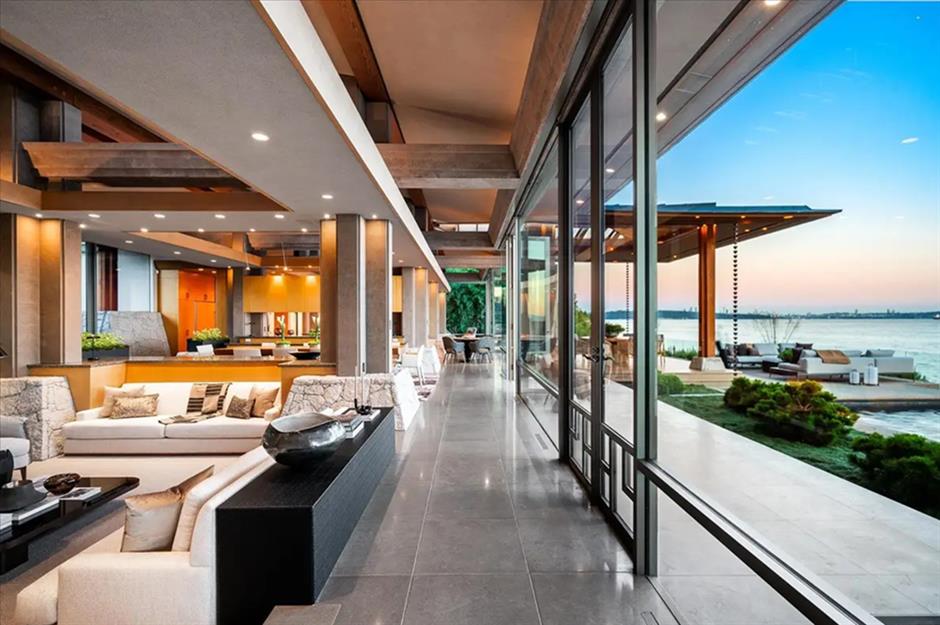
Atlanta has emerged as a distinct node in the global network of World's Most Luxurious Houses, driven by a surge in high-value new construction. Unlike older coastal markets where inventory is constrained by geography, Atlanta’s luxury sector is expanding through the development of sprawling estates in enclave neighborhoods like Buckhead and Druid Hills. This growth is fueled by a steady influx of capital from tech and finance sectors, creating a demand for properties that blend modern architectural statements with traditional southern scale.
The architectural narrative in Atlanta’s upper tier is shifting away from pure replication of historical styles. Buyers are increasingly favoring contemporary designs that prioritize indoor-outdoor living, smart home integration, and sustainable materials. These homes often feature expansive glass facades, infinity pools, and private guest houses, reflecting a lifestyle that values privacy and entertainment. The result is a portfolio of residences that stands out in the global market not just for price, but for distinct design innovation.
Buyer demographics in Atlanta are notably diverse, with a significant portion of purchases made by out-of-state and international investors. This mobility is supported by the city’s favorable tax environment and robust job market, which attract high-net-worth individuals seeking a lower cost of living without sacrificing luxury amenities. The presence of major corporate headquarters further stabilizes this demand, ensuring that the market for World's Most Luxurious Houses in Atlanta remains resilient even during broader economic fluctuations.
To understand the financial context of this market, it helps to look at the broader economic indicators that influence luxury real estate valuations. While local inventory data provides granular insight, the macroeconomic environment—interest rates, stock market performance, and global wealth flows—ultimately dictates the ceiling for these transactions.
Japan's Exclusive Residential Sector
Japan's luxury real estate market operates on a different frequency than the global standard. In the world's most luxurious houses, value is rarely derived from the footprint of the land itself, which is scarce and heavily regulated. Instead, the premium lies in architectural rarity, privacy, and the integration of traditional craftsmanship with modern resilience. This creates a distinct asset class where the structure often holds more long-term value than the ground it sits on.
The design philosophy centers on the concept of ma—the intentional use of negative space. High-end residences in Tokyo and Kyoto prioritize flow, natural light, and seamless transitions between indoor and outdoor environments. This approach maximizes the perception of space in dense urban centers, offering a sanctuary that contrasts sharply with the surrounding metropolis. The result is a home that feels expansive despite a compact land area.
Recent transactions highlight this shift toward quality over quantity. While global records often point to massive estates in California or Hong Kong, Japan’s top sales involve meticulously restored historical properties or ultra-modern architectural statements in exclusive enclaves like Aoyama or Minami-Aoyama. These properties appeal to a discerning buyer who values discretion and design integrity over sheer square footage.
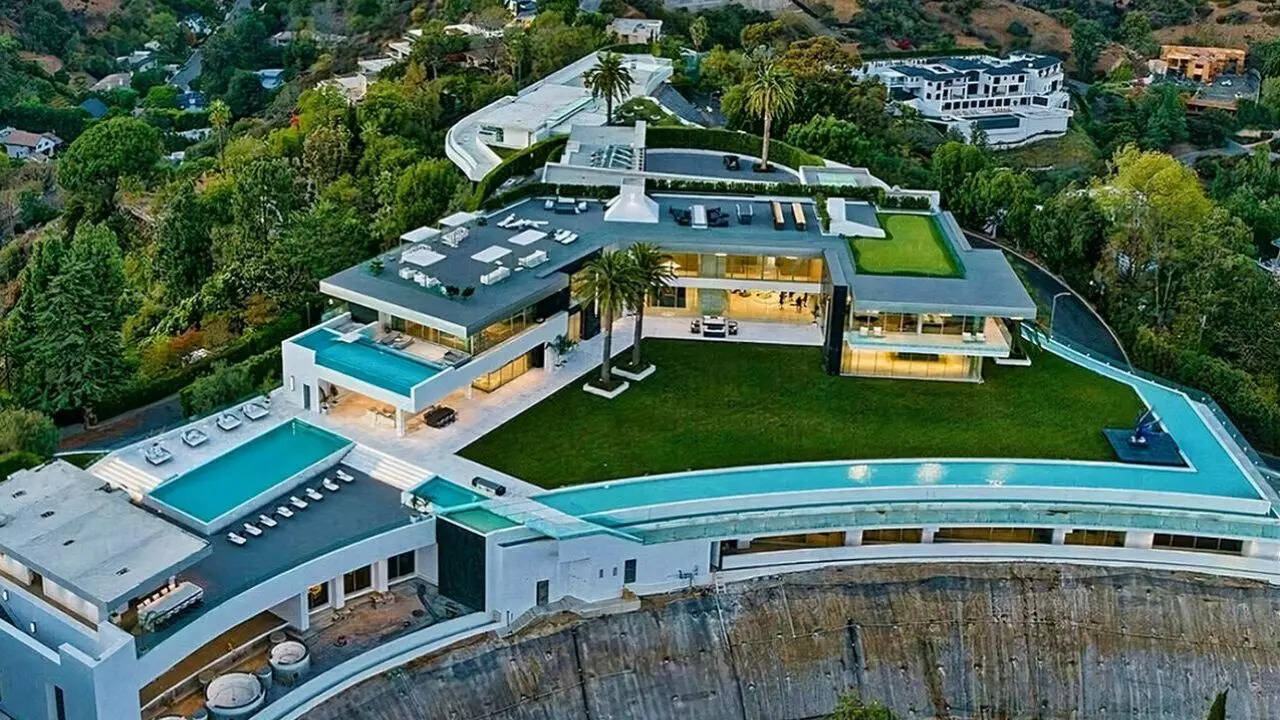
Global Mega-Mansion Value Comparison
The market for the world's most luxurious houses reveals stark disparities in pricing based on location, scale, and exclusivity. While some properties command half-a-billion-dollar valuations due to sheer square footage and land value, others achieve similar price tags through historical significance and extreme scarcity. Understanding these differences requires looking beyond the asking price to the specific assets that drive value in each region.
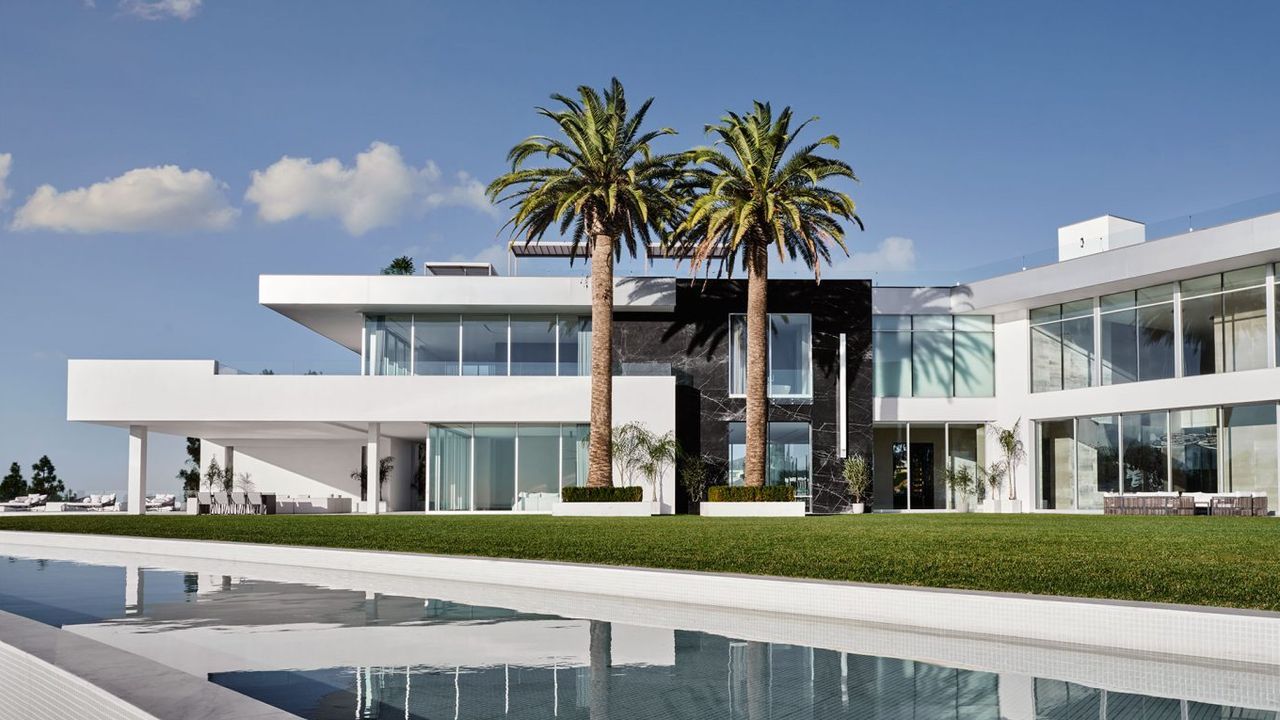
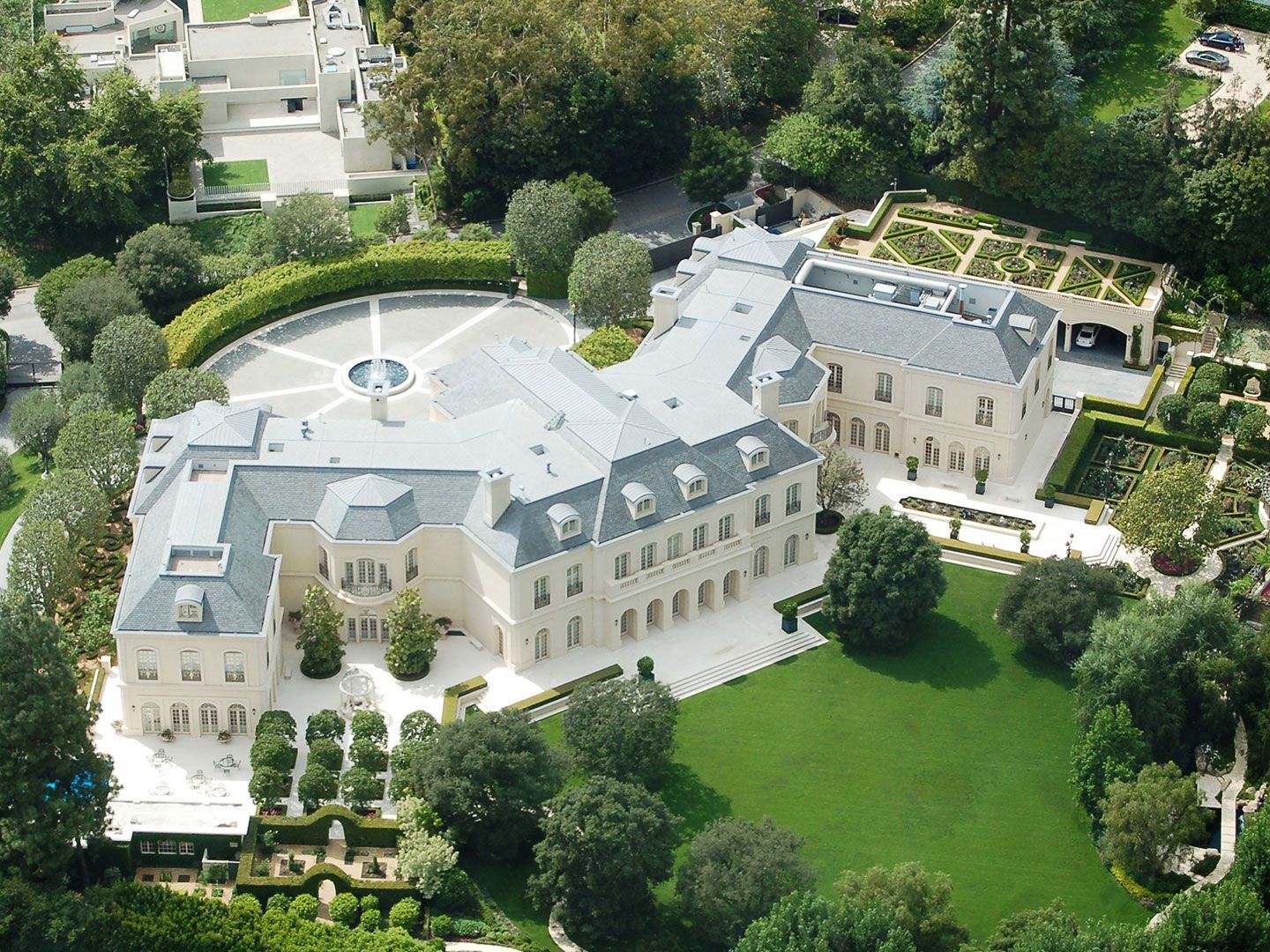
The following comparison highlights four distinct properties that represent the upper echelon of the global real estate market. These examples illustrate how luxury is defined differently across continents—from the modern architectural marvels of California to the historic estates of Europe and Asia.
Ownership costs and liquidity
Buying one of the world's most luxurious houses is only the first hurdle. The financial reality of maintaining a $100 million estate extends far beyond the purchase price. Annual upkeep typically ranges from 1% to 3% of the property's value, covering specialized staff, security, and complex mechanical systems. For a $150 million property, this means $1.5 million to $4.5 million in yearly expenses before accounting for utility spikes or major renovations.
Tax implications vary significantly by jurisdiction but often include steep property taxes and potential wealth taxes. Owners must navigate complex international tax treaties if the property is held by offshore entities. Professional tax counsel is not optional; it is a baseline requirement for protecting assets and ensuring compliance with local and federal regulations.
Liquidity is the primary risk. Unlike stocks, these assets cannot be sold instantly. The market for ultra-luxury homes is thin, with transactions often taking 12 to 24 months or longer. Market data from Mansion Global shows that while record sales capture headlines, the majority of mega-mansions sit on the market for extended periods, making them poor short-term investments.
Before committing capital, buyers should run a comprehensive due diligence checklist. This includes verifying zoning laws, assessing structural integrity of unique features, and modeling cash flow for at least five years. Treat the property as a long-term holding, not a flip.
Calculate 1–3% of the purchase price for annual maintenance, staff salaries, insurance, and utilities. Include a contingency fund for unexpected repairs to historic or custom features.
Consult a tax attorney specializing in high-net-worth individuals. Determine property tax rates, wealth tax exposure, and any international reporting requirements like FBAR or FATCA.
Model cash flow for a 5–10 year holding period. Ensure you have sufficient liquid assets to cover carrying costs if the property does not sell within the first two years.
No comments yet. Be the first to share your thoughts!