

Japan's quiet luxury shift
A recent sale in the exclusive Karuizawa mountains – a sprawling estate blending cedarwood construction with a minimalist aesthetic – quietly signaled a shift in the Japanese luxury housing market. The property, reportedly fetching over ¥800 million, wasn’t just about size; it was about a deliberate fusion of ancient architectural principles and 2026 design sensibilities. This isn’t the ornate, Western-influenced luxury of decades past. It’s something distinctly, and quietly, Japanese.
This emergence of "neo-traditional" mega mansions is happening against a surprising backdrop: Japan is grappling with a crisis of abandoned homes. Over 9 million properties stand vacant across the country, a stark contrast to the demand for these new, high-end residences. It presents a strange paradox – decay alongside innovation, emptiness next to extravagance.
What sets this moment apart isn't simply the construction of large, luxurious homes, but the conscious effort to integrate traditional Japanese aesthetics with modern living. It’s a reaction against globalized design, a reclaiming of cultural identity, and a response to a desire for tranquility in an increasingly fast-paced world. We’re seeing a move away from ostentatious displays of wealth toward a more subtle, refined elegance.
The abandoned house problem
The sheer number of "akiya" – vacant homes – in Japan is staggering. Estimates place the total at over 9 million, a number that continues to rise. This isn't simply a matter of dilapidated buildings; it’s a demographic time bomb. Japan’s aging population and migration from rural areas to major cities like Tokyo and Osaka have left vast swaths of housing stock empty and deteriorating.
This surplus of land is, unsurprisingly, influencing the construction of these new mega mansions in complex ways. Developers are acquiring akiya land in some cases, particularly in desirable locations, and redeveloping it. However, much of the new construction is happening on previously undeveloped land, often benefiting from lower land costs outside of major urban centers.
The situation is particularly visible in areas like Setagaya in Tokyo, a wealthy neighborhood that still contains a significant number of abandoned properties. This availability of land, coupled with a growing desire for larger, more private homes – fueled by remote work trends – creates a unique opportunity for developers to cater to a specific, affluent clientele. It’s a market driven by scarcity of the right land, rather than land itself.
Defining Neo-Traditional: Aesthetics & Materials
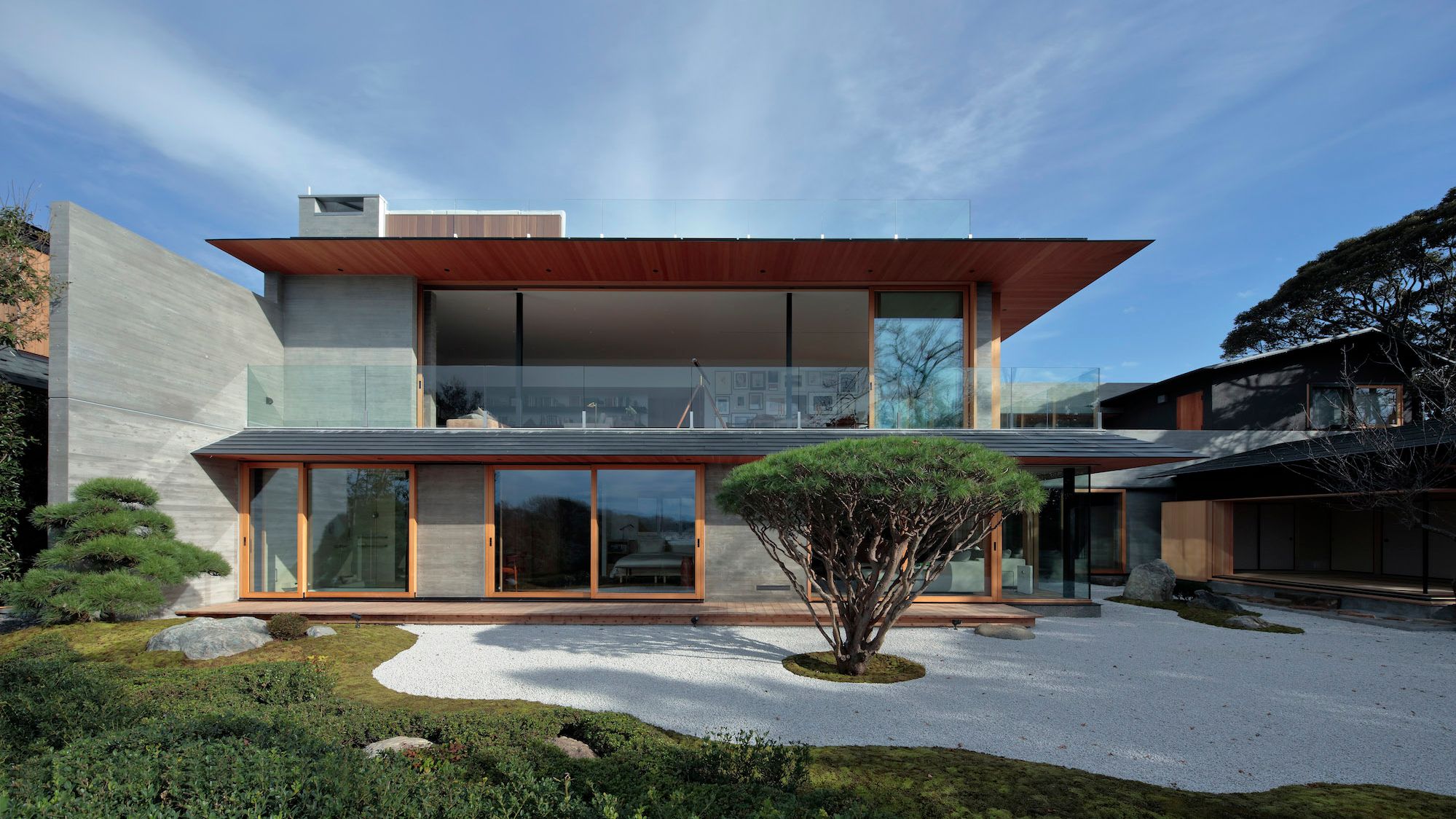
Neo-traditional design in these Japanese mega mansions isn’t about recreating historical buildings; it’s about distilling the essence of traditional Japanese architecture and applying it to modern living. It's a careful balance – respecting the past while embracing the future. This isn’t about kitsch or imitation, but a thoughtful reinterpretation.
Key aesthetic elements include a strong emphasis on minimalism, the use of natural materials like wood, stone, and washi paper, and open floor plans that promote a sense of flow and connection. These homes often feature expansive windows and sliding doors that blur the lines between indoor and outdoor spaces. The goal is to create a sense of calm and harmony with nature.
Traditional Japanese elements are seamlessly integrated into the design. Shoji screens provide diffused light and privacy, tatami mats offer a comfortable and grounding surface, and engawa (verandas) create transitional spaces between the interior and the garden. There’s a noticeable influence of Scandinavian functionality as well, prioritizing clean lines, natural light, and a sense of understated elegance – a combination noted in recent design trends.
The choice of materials is crucial. Locally sourced cedar and cypress are prevalent, often left unfinished to showcase their natural beauty. Stone is used for foundations, pathways, and garden features, adding a sense of permanence and grounding. The overall effect is one of warmth, texture, and understated luxury.
Tech Integration: The 2026 Smart Home
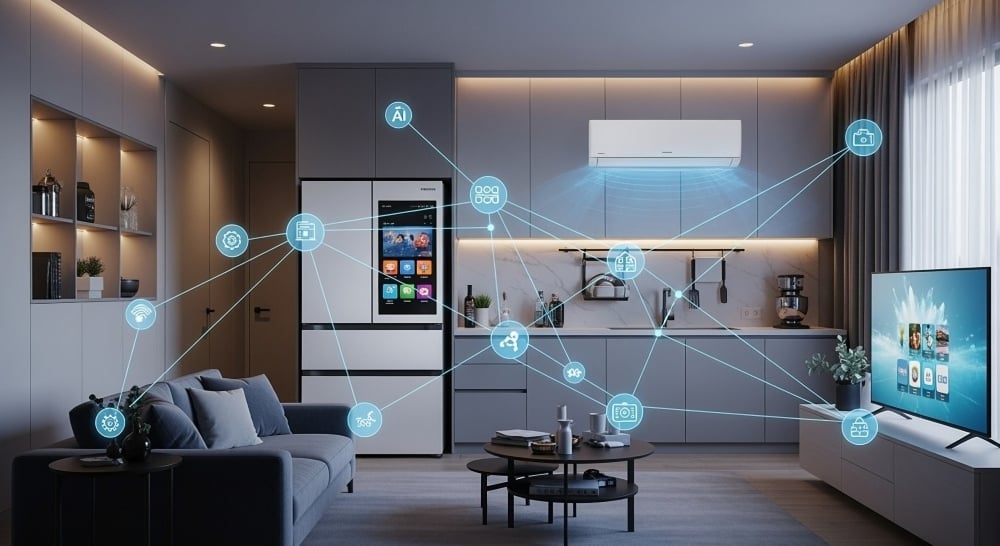
These neo-traditional mansions are far from rustic retreats. They are equipped with cutting-edge smart home technology, seamlessly integrated into the design to enhance comfort, convenience, and security. However, the approach to technology is distinctly Japanese – discreet and harmonious, rather than ostentatious.
Standard features include voice-controlled lighting and climate control systems, automated shades and curtains, and advanced security systems with remote monitoring capabilities. These systems are often integrated with biometric access control and sophisticated surveillance technology.
What’s particularly interesting is how technology enhances the sense of tranquility and connection to nature. For example, automated irrigation systems maintain the gardens with minimal intervention, while smart windows adjust to optimize natural light and temperature. The goal is to create a living environment that responds to your needs without being intrusive.
I'm not sure about the prevalence of entirely unique Japanese tech integrations, but we are seeing increased use of robotics for home maintenance and security—though this is still in its early stages. The emphasis remains on creating a sophisticated, yet unobtrusive, smart home experience.
- Voice-controlled lighting and climate control
- Automated shades and curtains
- Advanced security systems
Smart Home Integrations
- Automated Shoji Screens - Beyond simple motorized operation, these systems utilize light sensors and pre-programmed scenes to adjust opacity and position throughout the day, maximizing natural light while maintaining privacy. Integration often involves custom control panels mimicking traditional Japanese aesthetics.
- AI-Powered Garden Irrigation - Sophisticated systems analyze weather patterns, soil moisture levels, and plant-specific needs to deliver precise irrigation. This is particularly crucial for maintaining meticulously crafted Japanese gardens, ensuring optimal health for moss, bonsai, and other delicate flora.
- Integrated Climate Control with Tatami Heating - Traditional tatami mats are often paired with radiant floor heating, but modern mansions integrate this with a whole-home climate control system. Zoning allows for precise temperature regulation in each room, complementing the natural insulating properties of the building materials.
- Smart Ofuro Control Systems - The Japanese soaking tub, or ofuro, is a central element of many homes. Smart systems allow for precise temperature control, automated water filling/draining, and even integration with sound systems and chromatherapy lighting, all managed via a discreet interface.
- Security Systems with Minimalist Aesthetics - High-end security is paramount, but is often integrated seamlessly into the architecture. This includes hidden cameras, biometric access control disguised as traditional elements (like stone lanterns), and perimeter sensors that don’t disrupt the visual harmony of the landscape.
- Voice-Activated Ambient Lighting - Beyond standard dimming, these systems utilize voice control to adjust lighting color temperature and intensity to mimic natural daylight cycles or create specific moods. Control is often focused on indirect lighting to enhance the soft, diffused aesthetic favored in Japanese design.
- Centralized Control of Water Features - Many neo-traditional mansions incorporate ponds, waterfalls, or tsukubai (stone basins). Smart systems allow for remote control of pumps, filtration, and lighting, ensuring these features operate efficiently and contribute to the overall tranquility of the property.
Gardens as Extensions of Living Space
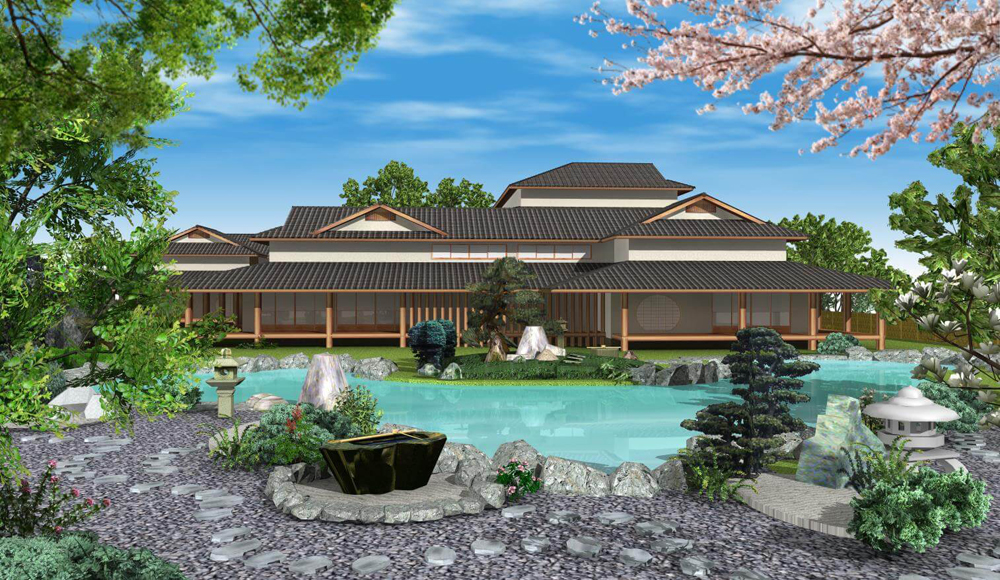
In Japanese culture, the garden is not merely an outdoor space; it’s an extension of the living area, a place for contemplation and connection with nature. This principle is deeply ingrained in the design of these mega mansions. Gardens are meticulously planned and integrated into the overall architectural concept.
Traditional garden elements – stone lanterns, carefully placed rocks, ponds, and meticulously pruned plants – are combined with modern landscaping techniques to create serene and visually stunning environments. The use of moss, bamboo, and Japanese maples is particularly common, evoking a sense of tranquility and timelessness.
Indoor-outdoor living spaces are a key feature, with large sliding doors and verandas blurring the lines between the interior and the garden. These spaces are designed to be used year-round, providing a seamless transition between the two. The gardens aren’t just viewed from the house; they are actively incorporated into the living experience.
The gardens contribute significantly to the overall sense of peace and privacy, shielding the homes from outside noise and distractions. They are designed as private sanctuaries, offering a respite from the hustle and bustle of modern life.
Nationality Disclosure & Investment
A significant change is coming to the Japanese real estate market in February 2026: a new rule requiring the disclosure of the nationality of property buyers. This regulation, designed to address concerns about foreign speculation and land ownership, will have a notable impact on investment in Japanese luxury properties.
Currently, buyers are not required to disclose their nationality. This new rule aims to increase transparency and potentially curb excessive foreign investment in certain areas. While the full implications are still unfolding, it’s likely to create some uncertainty in the market.
There is speculation that the announcement is driving a rush to purchase now, before the rules change. Some investors are eager to secure properties under the current regulations, while others are waiting to see how the market responds. It's a complex situation with no easy answers.
Compared to other countries with similar regulations, Japan’s approach appears relatively moderate. Many countries already have strict rules regarding foreign land ownership. However, the change represents a significant shift in policy for Japan, which has historically been more open to foreign investment.
Standout Mansions: Three Case Studies
While precise details and pricing are often kept confidential, we can look at three examples that exemplify the neo-traditional mega mansion trend. The first, located in Hakone, boasts over 8,000 square feet of living space and features a stunning infinity pool overlooking Mount Fuji. The design incorporates a traditional Japanese garden with a koi pond and a tea house.
The second, situated in Karuizawa, is a more secluded estate spanning over 10,000 square feet. This property emphasizes privacy and tranquility, with extensive landscaping and a focus on natural materials. It includes a private onsen (hot spring) and a state-of-the-art home theater. Estimated value: ¥950 million – ¥1.2 billion.
Finally, a Tokyo residence in the Shirokanedai neighborhood offers a more urban interpretation of the trend. This mansion, approximately 6,500 square feet, combines modern architecture with traditional Japanese design elements. It features a rooftop garden and panoramic city views. While smaller than the other two, its location and design command a price in the range of ¥700 million – ¥900 million.
Each of these properties represents a unique expression of the neo-traditional aesthetic, showcasing the blend of ancient architecture and 2026 luxury design that is redefining the Japanese housing market.
No comments yet. Be the first to share your thoughts!