

Get Atlanta Mansions Right
Finding a mega-mansion in Atlanta means looking beyond square footage. The city’s luxury market is defined by specific geographic clusters, from Buckhead’s historic estates to the sprawling acreage of North Fulton. Before you schedule viewings, you need to understand the local zoning laws, soil conditions, and the unique architectural styles that define these properties.
Start by defining your geographic anchor. Buckhead offers walkable luxury near shopping and dining, while areas like Johns Creek or Milton provide privacy and larger lots. Each neighborhood has distinct HOA restrictions and architectural guidelines that can limit renovations or new builds.
Next, verify the property’s structural integrity and land use. Mega-mansions often involve complex grading, retaining walls, and drainage systems. A standard home inspection will not cover the extensive civil engineering required for these sites. Ensure your due diligence includes a dedicated civil engineer and a surveyor familiar with local topography.
Finally, align your search with the right agent. Not every luxury agent understands the nuances of mega-mansions. Look for specialists who track off-market listings and have experience with high-net-worth transactions. Platforms like Zillow and Sotheby’s International Realty are good starting points, but local expertise is essential for navigating this competitive segment.
How to identify and evaluate Atlanta’s 2026 mega mansions
Atlanta’s luxury market has shifted from traditional brick estates to massive, modern architectural marvels. These properties often exceed 10,000 square feet, featuring glass facades, infinity pools, and integrated smart-home technology. Evaluating these homes requires looking beyond the square footage to understand the structural integrity, privacy zoning, and maintenance realities of modern luxury.
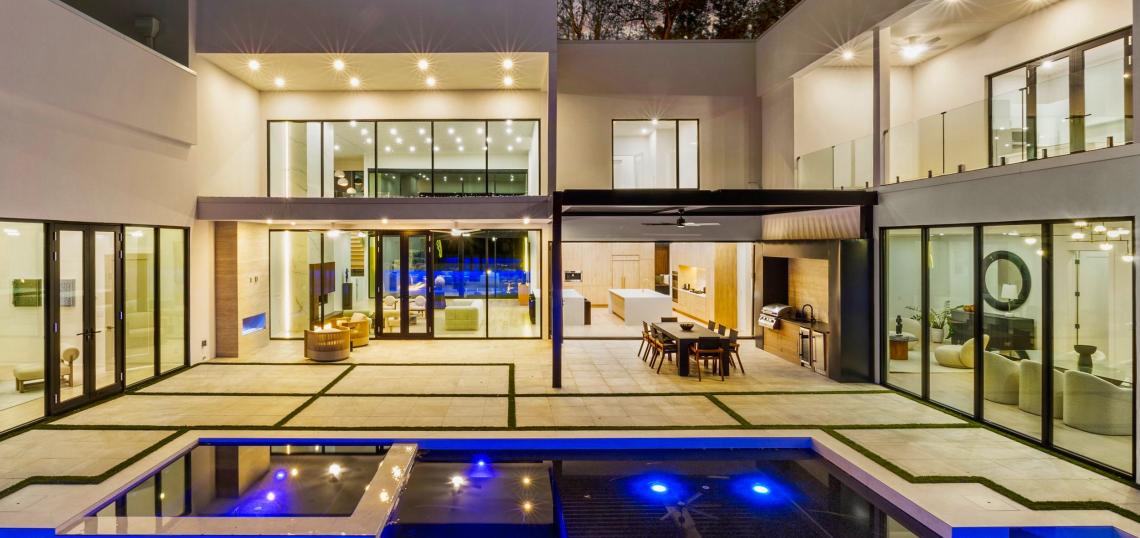
Mega mansions in Atlanta often push the limits of lot coverage. Before touring, check the Cobb, Fulton, or DeKalb county zoning maps. Ensure the structure respects the required setbacks from property lines. Many modern designs appear to encroach on neighboring lots due to large footprints. A violation here can halt renovations or reduce resale value significantly.
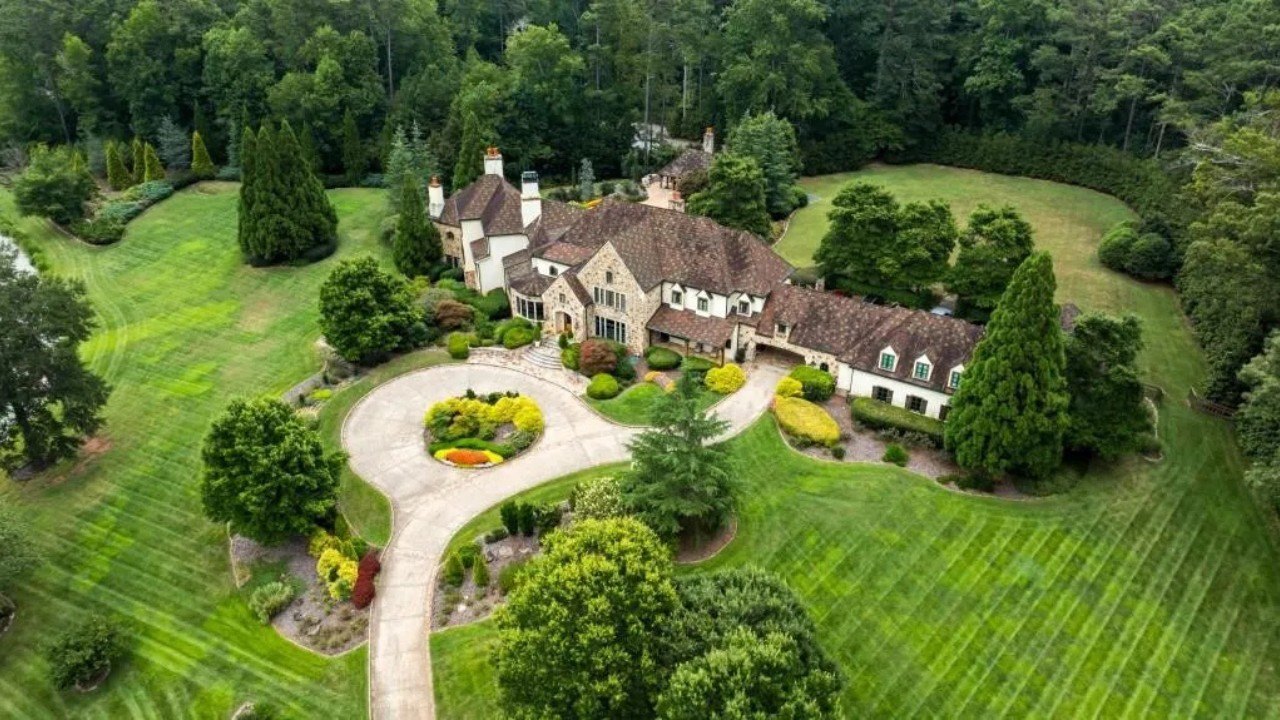
Modern luxury relies on open-concept layouts with minimal interior load-bearing walls. This requires extensive steel beams and reinforced concrete foundations. Ask for the structural engineering reports. Look for signs of settling in the expansive Atlanta clay soil. Large glass walls also require specialized HVAC zoning to maintain temperature control without excessive energy bills.
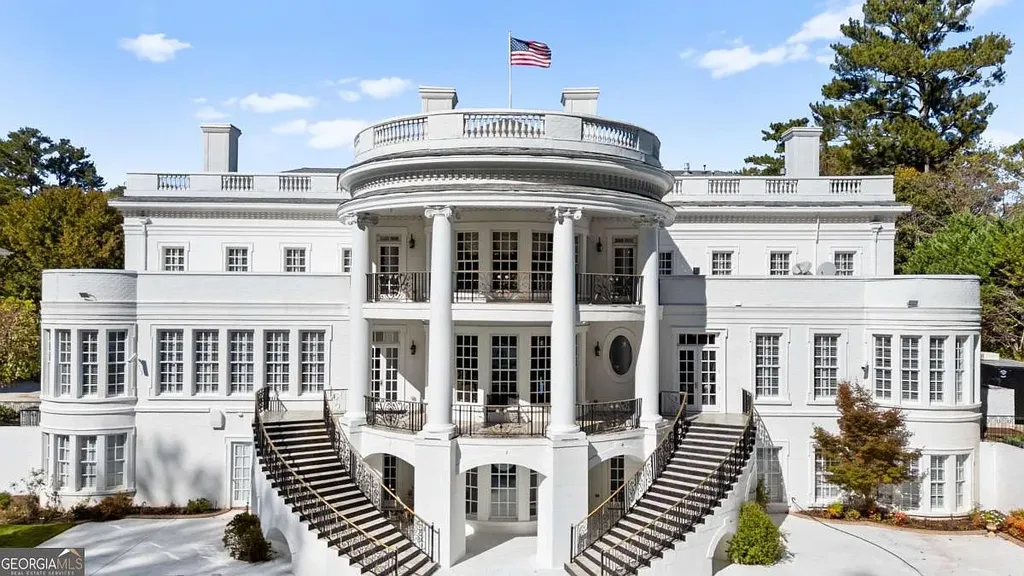
Despite their size, mega mansions must offer seclusion. Check the sightlines from neighboring properties. High-end estates use dense landscaping, retaining walls, and strategic window placement to block views. If the property lacks a buffer zone, you may need to invest heavily in additional fencing or tree planting to achieve the desired privacy level.
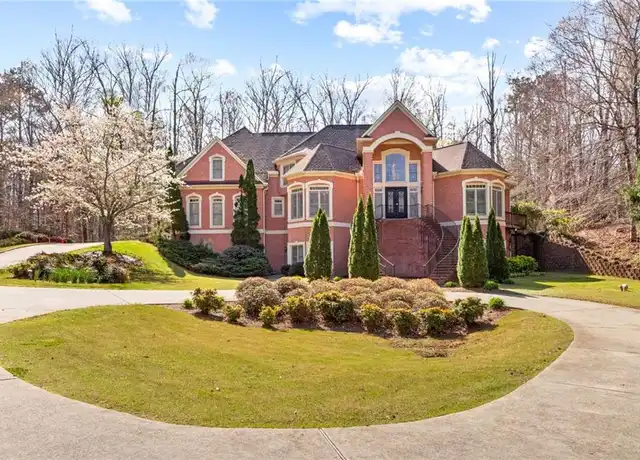
These homes are essentially high-tech hubs. Verify that the smart-home system is centralized and compatible with major platforms. Check the security infrastructure, including perimeter cameras, biometric locks, and panic rooms. Ensure the wiring is future-proofed. Outdated systems in a new build can cost tens of thousands to upgrade, negating the convenience of modern automation.
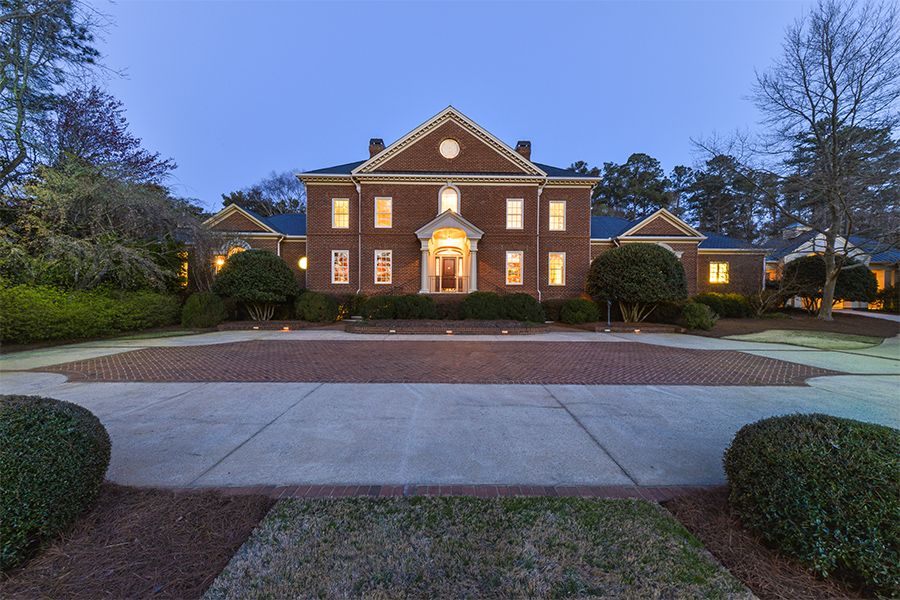
Many mega mansions sit within gated communities with strict architectural review committees. Review the HOA covenants carefully. Some associations limit fence heights, pool sizes, or even exterior color palettes. Confirm that the property’s unique design features are grandfathered in or fully compliant. Additionally, assess the community amenities, such as private clubs or tennis courts, which add to the lifestyle value.
Fix common mistakes
Even with a massive budget, Atlanta’s 2026 mega mansion market punishes sloppy planning. The scale of these projects introduces logistical nightmares that smaller homes avoid. Buyers often assume that money alone solves design and construction friction. It does not. The difference between a showpiece and a headache lies in the details that get overlooked during the initial design phase.
The most frequent error is ignoring Atlanta’s specific climate and terrain. Many modern luxury designs prioritize flat, minimalist aesthetics that look stunning in renderings but fail in practice. Large glass facades without proper shading invite intense Georgia heat, driving up cooling costs and damaging interiors. Similarly, building on steep hillsides without adequate drainage planning leads to foundation issues. Always prioritize passive cooling strategies and proper grading over pure visual impact.
Another critical mistake is underestimating the complexity of smart home integration. Mega mansions often feature dozens of interconnected systems: lighting, security, climate, audio, and entertainment. If these systems are not standardized from the start, they become a patchwork of incompatible technologies. This leads to unreliable performance and expensive retrofitting. Choose a unified ecosystem and stick to it throughout the design process.
Finally, many buyers fail to secure the right team early. Hiring a designer first, then a builder, often results in value engineering that strips away the intended luxury. The best outcomes come from assembling an integrated team of architects, builders, and interior designers who collaborate from day one. This approach ensures that every aesthetic choice is buildable and every structural element serves a purpose.
Atlanta mansions: what to check next
Before committing to a mega-mansion in Atlanta, it helps to separate the marketing gloss from the structural reality. These properties are not just large houses; they are complex real estate assets with unique maintenance, zoning, and security requirements.
No comments yet. Be the first to share your thoughts!