

Spot the architectural details
Square footage tells you how much space a mansion has, but architectural details tell you what it cost to build. Identifying the world's most luxurious mansions requires looking past the footprint and examining the materials and craftsmanship that define high-end design. These markers are rarely found in standard luxury listings; they are the signatures of estates built to last centuries.
Start by examining the exterior cladding. True luxury often relies on imported stone or marble that is too heavy, rare, or expensive to ship in bulk. Look for irregularities or specific veining patterns that indicate natural stone rather than manufactured siding. This is a tangible sign of budget unconcern, as material costs alone can rival the foundation of a typical home.
Inside, check the moldings. High-end homes feature large, detailed moldings on ceilings and walls that add depth and shadow. These are not flat, mass-produced trim pieces but carved or molded elements that require skilled artisans to install. The scale of these moldings often correlates with the ceiling height, creating a sense of grandeur that small rooms simply cannot replicate.
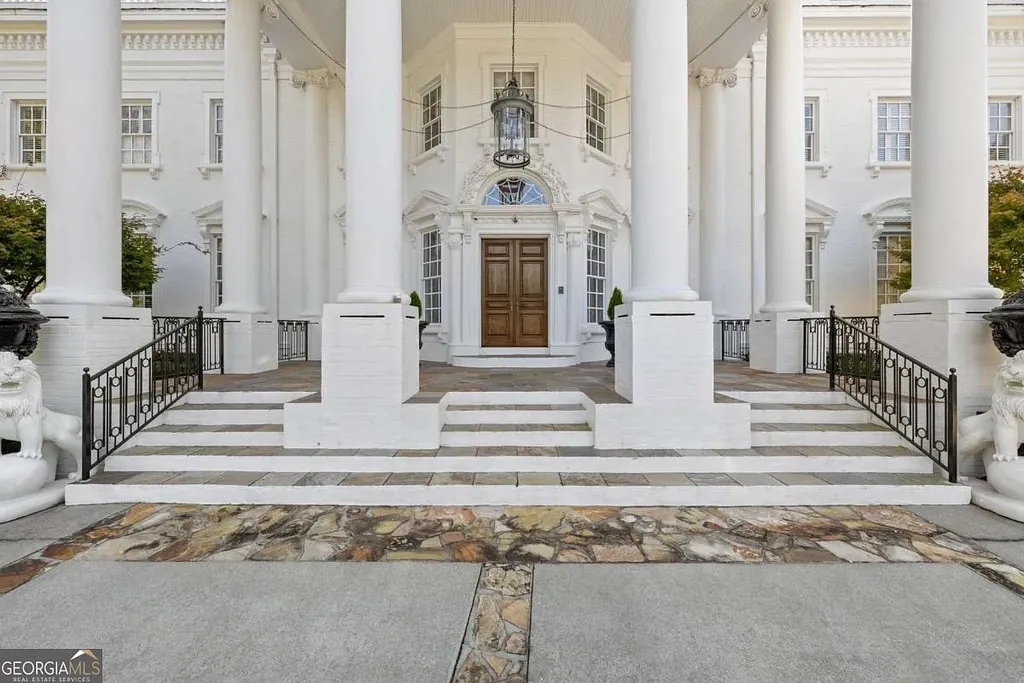
Finally, look for reinterpretations of iconic historical architecture. A luxury mansion may not be a literal copy of a European palace, but it often borrows specific elements—such as Corinthian columns, grand arches, or specific window proportions—that reference architectural history. These details signal that the home was designed with a narrative in mind, rather than just assembled for maximum square footage.
Compare regional luxury styles
Luxury manifests differently across borders. In Atlanta, mega-mansions signal status through scale, classic opulence, and sprawling grounds. In Japan, luxury prioritizes architectural precision, material honesty, and seamless integration with nature. Understanding these distinctions helps you identify what defines a truly luxurious home in any market.
The Atlanta estate market favors grandeur. Homes here often feature imported marble, high ceilings, and extensive moldings that reinterpret historical architecture. These properties are designed to impress, offering vast indoor-outdoor living spaces that cater to entertaining and privacy on a massive scale.
Japanese architectural marvels take a different approach. Luxury is found in the quality of craftsmanship and the relationship between the structure and its environment. Think clean lines, natural wood, stone, and glass that blur the boundary between inside and outside. The focus is on tranquility and enduring design rather than sheer size.
Use the comparison below to see how these regional styles differ in their defining characteristics and amenities.
| Feature | Atlanta Mega-Mansions | Japanese Architectural Marvels |
|---|---|---|
| Design Philosophy | Grandeur and Scale | Precision and Harmony |
| Key Materials | Imported marble, ornate moldings | Natural wood, stone, glass |
| Indoor/Outdoor Flow | Large patios and courtyards | Seamless integration with nature |
| Typical Amenities | Home theaters, tennis courts | Zen gardens, tea rooms |
| Space Usage | Vast, sprawling footprints | Efficient, multi-functional spaces |
Verify the property credentials
A luxurious mansion isn't just a large house; it is a verified asset with a traceable history. Before accepting any listing as top-tier, you must cross-reference ownership records, independent valuations, and exclusive market presence. This process separates genuine estates from inflated marketing claims.
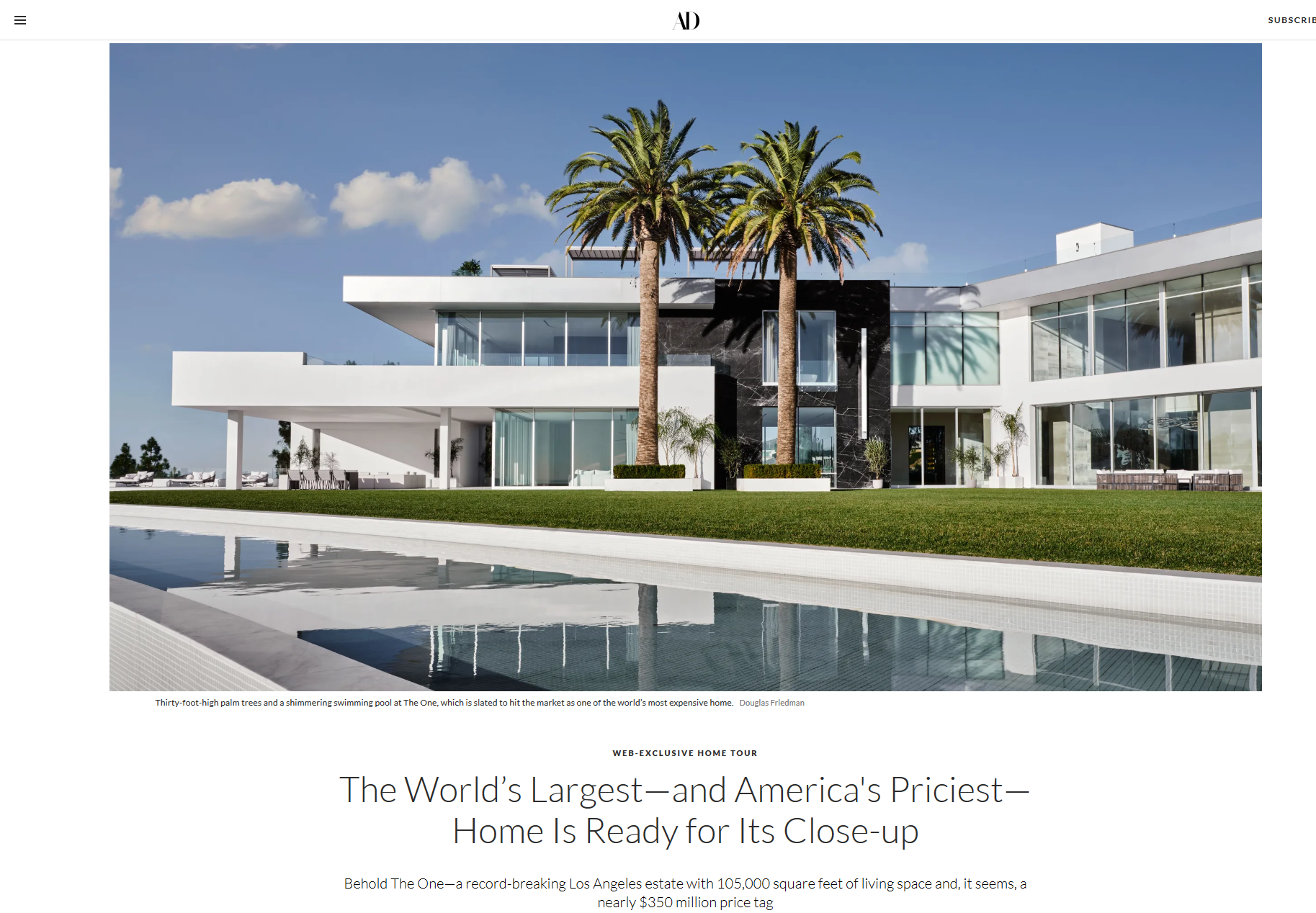
Start by checking public land registry records. Legitimate mansions have clear titles, free of liens or ongoing litigation. Look for previous sales data to ensure the property hasn't been artificially inflated or involved in complex legal disputes that might cloud its status.
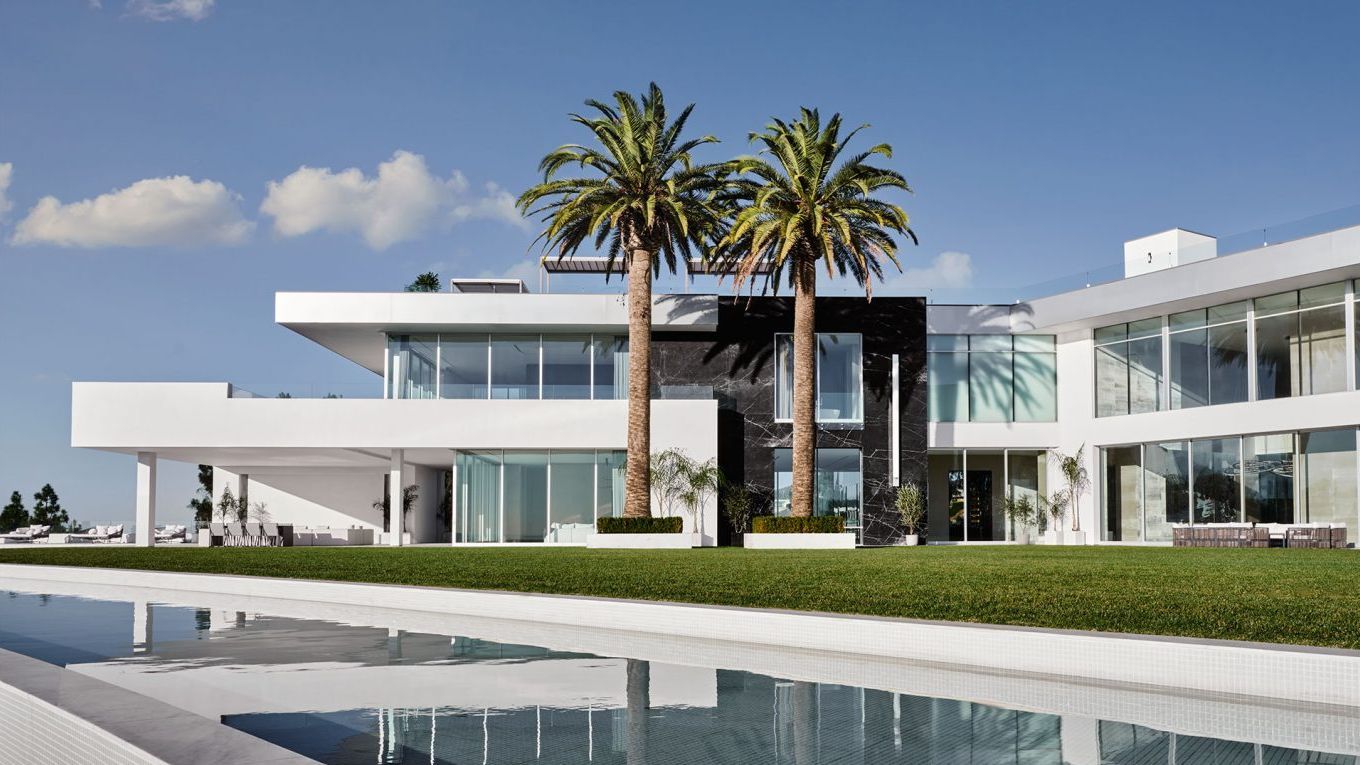
Don't rely solely on the asking price. Seek third-party appraisals from reputable firms like Knight Frank or Sotheby's International Realty. Compare the property against recent sales of similar estates in the same region to establish a realistic market value range.
True luxury properties often remain off the open market. Check if the estate is listed on exclusive platforms like LuxuryEstate or is being marketed by a specialized luxury division. Properties that appear only on general listing sites may lack the exclusivity expected of a world-class mansion.
-
Clear title deed with no encumbrances
-
Independent appraisal from a top-tier firm
-
Listing on exclusive luxury platforms
-
Historical sales data verification
See the spaces in action
Text descriptions rarely capture the true scale of a multi-million dollar estate. To understand what makes a mansion truly luxurious, you need to see the spatial relationships, the flow between indoor and outdoor areas, and the material quality up close. A walkthrough reveals details that static photos often miss, such as how light moves through a grand foyer or how a kitchen opens onto a terrace.
Consider the $18 million Palos Verdes estate. This property took seven years to complete, resulting in a structure that balances modern minimalism with traditional grandeur. The interior features imported stone and marble, high ceilings, and large windows designed to highlight ocean views.
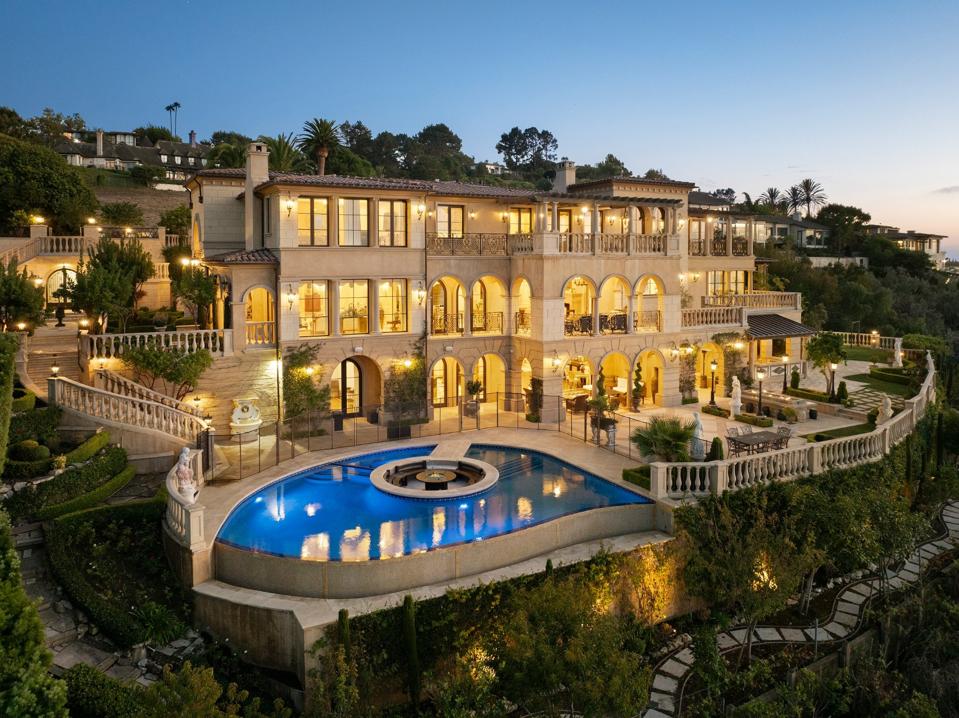
A video tour provides the best sense of this scale. The embedded walkthrough below showcases a $17.9 million modern mansion in Hidden Hills, Los Angeles. It demonstrates how luxury homes replicate the experience of a high-end hotel, with seamless transitions between private suites and communal living spaces.
No comments yet. Be the first to share your thoughts!