

Japan's New Wave: Eco-Mansions Emerge
Japan is known for its refined aesthetics and blend of tradition and modernity. Now, luxury real estate is seeing a new trend: eco-mansions. These homes aren't just opulent; they represent a shift towards sustainable living, even at the high end. Designs are moving away from pure status symbols toward properties that prioritize environmental responsibility without sacrificing comfort or elegance.
Demand for these homes comes from growing environmental awareness and a desire for a balanced lifestyle. Wealthy individuals want properties that align with their values and connect them to nature. This redefines luxury, making sustainability a core component.
Traditional Japanese design principles like minimalism and wabi-sabi (finding beauty in imperfection) suit this trend. The focus on natural materials, clean lines, and integration with the landscape works well with eco-conscious architecture. This approach isn't new to Japan, but applying it to large, luxury homes is recent.
Economic factors also matter. Despite demographic challenges, Japan has concentrated wealth and affluent buyers seeking unique, high-quality properties. Rising energy and resource costs encourage investment in sustainable homes for long-term savings and reduced environmental impact.
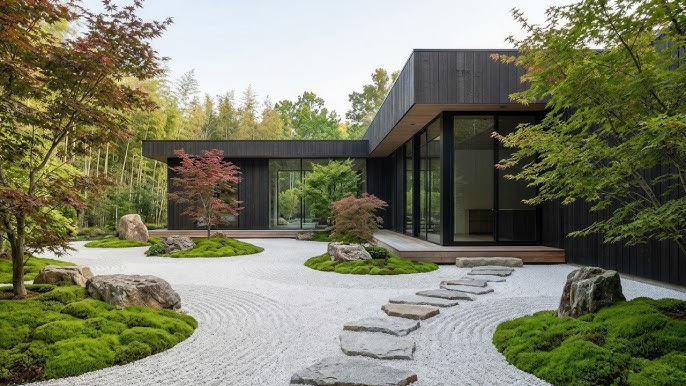
Karizawa & Beyond: Hotspots for Green Living
Karizawa, a mountain resort town northwest of Tokyo, is a popular location for these eco-mansions. A YouTube video showed a property there, highlighting its mountain setting where privacy and natural beauty are key. The area's cooler climate and closeness to Tokyo make it an attractive escape from the city.
Karizawa isn't the only hotspot. Eco-luxury developments are also rising along coastlines known for scenic beauty and ocean access. Other mountainous regions, similar to Karizawa, are gaining popularity. These locations often share a common goal: escaping urban density and pollution.
Architects in these areas respect the natural landscape. Designs prioritize minimizing environmental disruption and preserving the ecosystem. Building on slopes, for example, reduces the need for extensive grading, while local materials help homes blend into their environment. The landscape is an integral part of the design.
Materials Matter: Building with Nature
Material selection is central to the eco-luxury mansion concept. Locally sourced wood, like cedar and cypress, is common, valued for its beauty, durability, and renewability. Bamboo, a rapidly renewable resource, is often used for flooring, walls, and structural elements. It's versatile.
Beyond traditional materials, architects are exploring innovative eco-concrete options. These alternatives often use recycled aggregates and reduce the carbon footprint of cement production. Recycled materials, like salvaged wood and reclaimed stone, are also popular, adding character and reducing waste. More experimentation with bio-based materials is expected.
Traditional Japanese building techniques are adapted for modern sustainability. Shoji screens, for example, diffuse natural light and provide ventilation, reducing the need for artificial lighting and air conditioning. Insulation and airtightness are carefully managed to minimize energy loss. The goal is beautiful, energy-efficient homes.
There's a focus on materials that naturally regulate humidity, a benefit in Japan’s climate. Wood and natural plasters help maintain a comfortable indoor environment without heavy reliance on mechanical systems.
Tech Integration: Smart Homes, Sustainable Systems
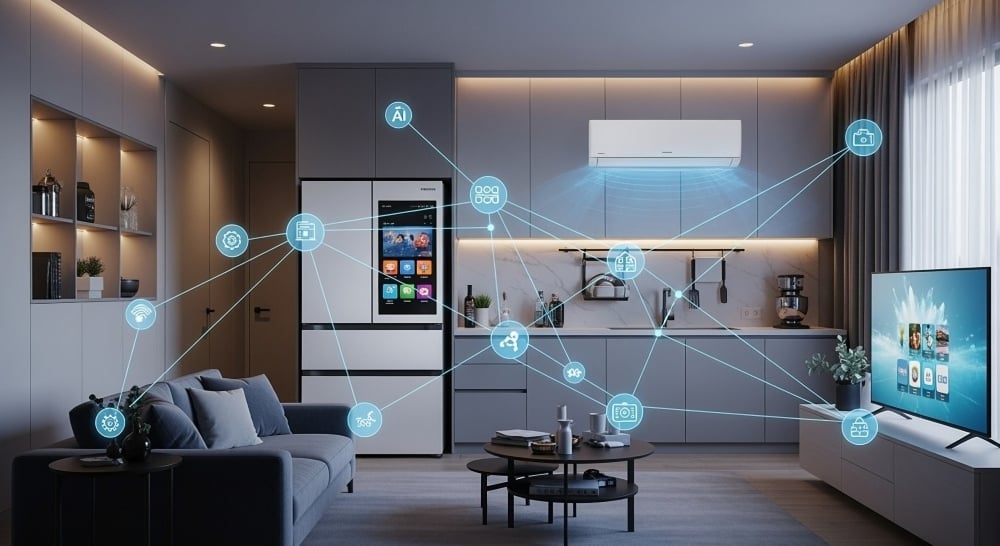
These eco-mansions use sustainable materials and cutting-edge technology to minimize environmental impact. Smart home systems are standard, letting homeowners monitor and control energy consumption in real-time, including lighting, heating, and appliance usage.
Solar panel systems are common, generating clean electricity and reducing grid reliance. Rainwater harvesting systems collect water for irrigation and non-potable uses, conserving water. Greywater recycling systems reduce water consumption by reusing shower and sink water for toilet flushing and other purposes.
Geothermal heating and cooling systems use the earth’s constant temperature for efficient climate control. These systems can reduce energy costs and carbon emissions. Integrating them requires planning and expertise, but the long-term benefits are substantial.
Artificial intelligence (AI) is starting to manage energy, learning homeowner behavior and adjusting settings to optimize energy efficiency. This technology, though early, can further reduce the environmental footprint of these homes. More sophisticated AI systems are expected.
Interior Philosophy: Minimalism & Biophilic Design
The interiors of these eco-mansions reflect the same commitment to sustainability and harmony as the exteriors. Minimalism is a dominant theme, with clean lines, uncluttered spaces, and a focus on functionality. Interiors have been described as exceptionally well-designed.
Biophilic design principles are also central, emphasizing a connection to nature. Large windows and open floor plans maximize natural light and landscape views. Indoor plants improve air quality and create calm. Natural materials, like wood and stone, are used throughout the interiors.
The goal is to create a space that feels both luxurious and restorative, a sanctuary from the stresses of modern life. Furniture is often handcrafted from sustainable materials, and color palettes are inspired by nature. The emphasis is on quality, craftsmanship, and timeless design.
Materials like bamboo flooring, natural fiber rugs, and organic cotton textiles contribute to a healthy indoor environment. Attention is paid to avoiding harmful chemicals and VOCs (volatile organic compounds) in paints, finishes, and furnishings.
Hillside Havens & Beachfront Retreats
Eco-mansions in Japan take on distinct characteristics depending on their location. Hillside properties, like the $8 million mansion featured in a recent video, often prioritize privacy and views. Architects face the challenge of building on sloping terrain while minimizing environmental disruption. They frequently employ terracing and cantilevered structures to create stunning, integrated designs.
Beachfront retreats, on the other hand, must contend with issues like erosion, typhoon protection, and saltwater corrosion. Designs often incorporate elevated foundations, reinforced structures, and materials that are resistant to the elements. Views of the ocean are, of course, a major draw.
Material choices also differ between these two types of properties. Hillside homes may utilize more stone and wood, blending with the natural landscape. Beachfront homes may incorporate more durable, weather-resistant materials like concrete and composite decking. Both types prioritize natural ventilation and shading to reduce energy consumption.
The design approach also considers the unique microclimates of each location. Hillside properties may benefit from cooler temperatures and natural breezes, while beachfront properties may require more sophisticated cooling systems and protection from the sun.
Hillside vs. Beachfront Eco-Luxury Mansion Designs in Japan
| Location | Common Materials | Key Design Challenges | Typical Views | Privacy Considerations |
|---|---|---|---|---|
| Hillside | Locally sourced timber, rammed earth, recycled concrete, extensive use of glass for natural light. | Maintaining slope stability, integrating the structure with the natural terrain, managing rainwater runoff to prevent erosion. | Panoramic mountain vistas, forested landscapes, city views in some locations. | Generally high levels of natural privacy due to elevation and vegetation. Designs often incorporate further screening with landscaping. |
| Beachfront | Sustainable hardwoods resistant to salt air, bamboo, locally sourced stone, materials designed to withstand typhoon conditions. | Coastal erosion, protection from saltwater intrusion, mitigating the impact of strong winds and potential storm surges. | Ocean views, sunsets over the water, access to sandy beaches. | Privacy can be more challenging to achieve, requiring careful landscaping and architectural design to screen from public access points and neighboring properties. |
| Hillside | Emphasis on blending with the natural environment; often feature green roofs and vertical gardens. | Ensuring adequate ventilation and natural light in potentially shaded locations. | Views of valleys, distant coastlines, and seasonal foliage changes. | Potential for noise from nearby roads, mitigated by strategic placement and soundproofing. |
| Beachfront | Designs often prioritize open-air living spaces and maximizing ocean breezes. | Designing foundations to withstand shifting sands and tidal changes. | Unobstructed views of the ocean, islands, and marine life. | Increased exposure to public view; designs often incorporate privacy screens and strategic landscaping. |
| Hillside | Integration of traditional Japanese architectural elements like engawa (verandas) to connect indoor and outdoor spaces. | Managing potential for landslides and ensuring proper drainage. | Views often extend over tea plantations or terraced landscapes. | Greater potential for seclusion and a sense of retreat. |
| Beachfront | Emphasis on creating a seamless transition between indoor and outdoor living, with decks and patios. | Protecting the structure from the corrosive effects of salt spray and humidity. | Views often include fishing boats, local islands, and vibrant sunsets. | Balancing openness with the need for privacy from beachgoers and boat traffic. |
Illustrative comparison based on the article research brief. Verify current pricing, limits, and product details in the official docs before relying on it.
Price Points & The Market
The cost of these eco-luxury mansions varies considerably depending on size, location, and features. Based on listings from JamesEdition.com, prices can range from several million dollars to upwards of $20 million or more. The $8 million hillside mansion and the $10 million Karizawa property offer a sense of the lower end of this spectrum.
The market for these homes is currently strong, driven by increasing demand for sustainable luxury properties. While precise market size data is difficult to obtain, the trend is clearly upward. There’s a growing recognition that these homes offer not only a superior lifestyle but also a sound investment.
The buyer profile is diverse, encompassing both Japanese and international clients. Wealthy Japanese families seeking a weekend retreat or a permanent residence are a significant segment of the market. International buyers, particularly from Asia and North America, are also attracted to the unique combination of luxury, sustainability, and Japanese aesthetics.
I’m not sure about exact sales figures, but anecdotal evidence suggests that these properties hold their value well and often appreciate over time. The increasing scarcity of land and the growing demand for sustainable living are likely to further drive up prices in the future.
Architects Leading the Charge
Several architects and firms are at the forefront of this eco-luxury mansion movement in Japan. While specific names are often closely guarded by clients, there’s a growing recognition of the importance of sustainable design within the architectural community.
Many firms are focusing on integrating traditional Japanese architectural elements with modern sustainable technologies. This often involves a deep understanding of local materials, building techniques, and climate conditions. They are careful to avoid imposing designs that clash with the natural environment.
Some architects are specializing in passive solar design, maximizing the use of natural light and ventilation to reduce energy consumption. Others are experimenting with innovative materials and construction methods to minimize the environmental impact of their projects. It's clear that a holistic approach is key.
Finding readily available information on specific architects is challenging, as much of their work is private and not widely publicized. However, the overall trend indicates a growing number of talented professionals dedicated to creating eco-luxury homes that are both beautiful and sustainable. This marks a significant evolution in Japanese architecture, and it's one that's likely to continue shaping the landscape of luxury real estate for years to come.
Leading Japanese Eco-Luxury Firms
- Kengo Kuma and Associates - Renowned for blending traditional Japanese aesthetics with modern design and sustainable materials. Their work often incorporates wood, natural light, and a deep connection to the surrounding landscape, exemplified by projects like the Odawara Art Foundation.
- Shigeru Ban Architects - A pioneer in using cardboard tubes and other recycled materials in architectural construction. Ban’s designs prioritize disaster relief and sustainability, creating elegant and environmentally conscious structures, such as the Paper Log House.
- SANAA (Kazuyo Sejima + Ryue Nishizawa) - Known for their minimalist and ethereal designs that emphasize lightness, transparency, and integration with nature. They frequently employ sustainable practices and materials in projects like the Rolex Learning Center.
- Nikken Sekkei - One of Japan’s largest architectural firms, Nikken Sekkei actively integrates sustainable design principles into large-scale projects, including high-rise buildings and residential complexes, focusing on energy efficiency and resource conservation. They are involved in many projects related to the 2025 Osaka Expo.
- Sou Fujimoto Architects - Fujimoto’s work explores the relationship between humans and nature, often using innovative materials and designs to create porous and adaptable living spaces. His 'House NA' is a notable example of blurring the boundaries between inside and outside.
- Suppose Design Office - This firm focuses on creating spaces that are deeply rooted in Japanese craftsmanship and tradition, while also embracing modern design sensibilities and sustainable practices. They are known for their meticulous attention to detail and use of natural materials.
- Atelier Bow-Wow - Known for their experimental and playful approach to architecture, Atelier Bow-Wow often incorporates unconventional materials and designs, prioritizing adaptability and responsiveness to the environment. They focus on 'behavioral' architecture, studying how people actually use spaces.
No comments yet. Be the first to share your thoughts!